
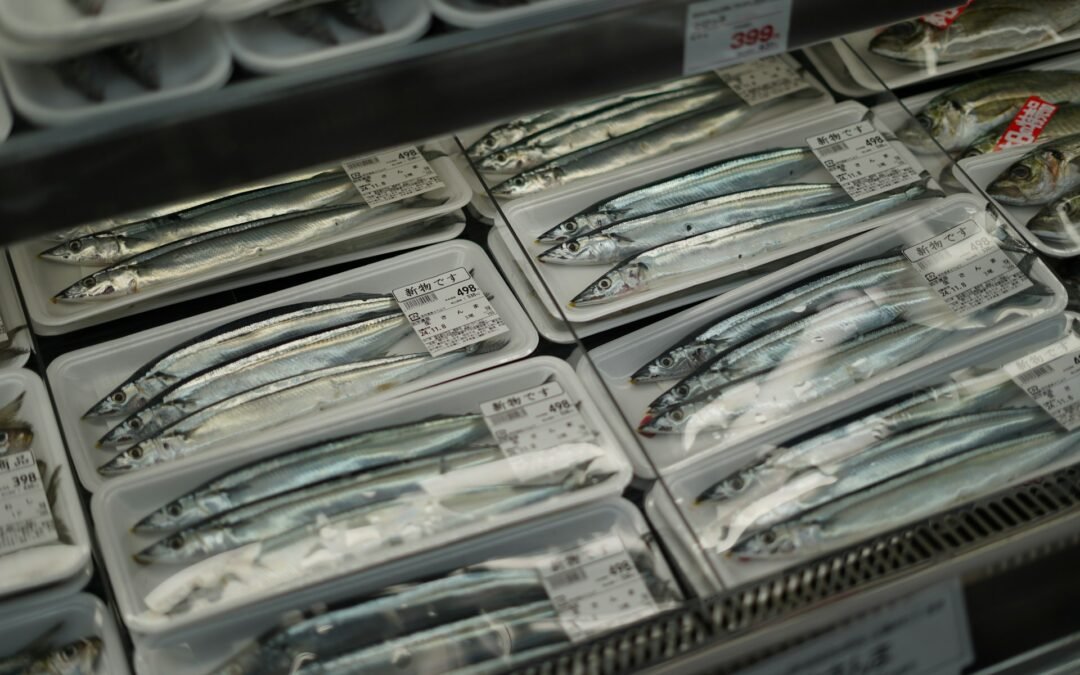
As climate impact becomes a growing consideration in food choices, carbon labeling is emerging as the next frontier in seafood transparency. Designed to communicate the greenhouse gas footprint of products, carbon labels aim to inform consumers about the environmental cost of their seafood purchases. Yet the effectiveness of these labels remains an open question. In a market already crowded with certifications and sustainability claims, the seafood industry must determine whether carbon labels will meaningfully influence consumer behavior or simply fade into the background. Much depends on how clearly the information is presented and whether consumers understand how carbon footprints relate to fishing methods, feed use, transport, and processing. Trust in the data behind these labels and alignment with broader sustainability messaging will also shape their impact. If implemented effectively, carbon labeling could complement existing eco-certifications and encourage more climate-conscious production and purchasing decisions.
The Rise of Carbon Transparency in Food Systems
Carbon labeling has gained momentum across food categories as governments, retailers, and brands seek measurable ways to address climate impact. In seafood, emissions vary widely depending on fishing method, fuel use, feed inputs, and processing distance. By translating complex life-cycle data into simple indicators, carbon labels promise to make climate information accessible at the point of purchase. This approach can help highlight differences between production systems, such as wild-caught versus farmed species or air-freighted versus locally sourced products. Greater transparency may also encourage producers to adopt more energy-efficient practices and lower-emission supply chains. However, the credibility of these labels depends on consistent methodologies and clear communication to avoid confusing or misleading consumers.
What Carbon Labels Aim to Communicate
From Emissions Data to Consumer Insight
Carbon labels typically reflect emissions across multiple stages of the seafood supply chain, including harvesting or farming, feed production, processing, transportation, and cold storage. In theory, this allows consumers to compare products not only by price and species, but also by climate footprint, adding a new dimension to purchasing decisions. This broader perspective highlights how factors like fishing gear efficiency, feed composition, and long-distance air freight can significantly influence a product’s overall impact. It can also create incentives for companies to streamline logistics and invest in lower-emission technologies. However, turning complex life-cycle assessments into simple, trustworthy labels requires standardized methods and clear explanations to ensure the information is both accurate and easy to understand.
Consumer Awareness and Behavior Gaps
Information Overload at the Seafood Counter
While surveys suggest that consumers express concern about climate change, real-world purchasing behavior tells a more complex story. Seafood buyers already navigate labels related to sustainability, origin, freshness, and certification. Without clear education or standardized labeling systems, carbon labels risk becoming just another symbol that consumers acknowledge but do not actively use. Price sensitivity, taste preferences, and brand familiarity often play a stronger role in purchase decisions than environmental metrics. In addition, inconsistent formats or technical terminology can make carbon information difficult to interpret quickly in a retail setting. For carbon labels to influence behavior, they will likely need to be simple, comparable across products, and supported by broader awareness campaigns that connect climate impact to everyday food choices.
Where Carbon Labels Show Promise
Engaging Values-Driven Consumers
Carbon labels appear most effective among environmentally conscious consumers and institutional buyers, such as foodservice operators and retailers with climate commitments. In these contexts, carbon labeling can support procurement goals, reporting requirements, and brand differentiation, particularly for low-emission fisheries and aquaculture systems. These buyers are often better equipped to interpret emissions data and integrate it into broader sustainability strategies. Carbon information can also strengthen corporate climate disclosures and help organizations track progress toward net-zero or emissions-reduction targets. Over time, consistent demand from these segments may create incentives for producers to measure, manage, and lower their carbon footprints across the seafood supply chain.
Challenges in Measurement and Standardization
Comparing Apples to Anchovies
Calculating accurate carbon footprints for seafood is inherently complex. Variability in fishing methods, vessel efficiency, feed composition, and transportation routes makes standardization difficult. Without widely accepted methodologies, carbon labels risk inconsistency, undermining credibility and consumer trust. Differences in data quality, regional practices, and system boundaries can further distort comparisons between products. Smaller producers may also face challenges in collecting detailed emissions data, limiting participation and increasing reporting costs. Establishing transparent calculation frameworks and third-party verification will be essential to ensure that carbon labels provide reliable and meaningful information.
Industry Readiness and Cost Considerations
Burden on Small and Mid-Size Producers
Implementing carbon labeling requires data collection, verification, and often third-party assessment. For large seafood companies, these costs may be manageable. For smaller producers, they can be prohibitive. This raises concerns about market equity and whether carbon labeling could unintentionally disadvantage small-scale or developing-world suppliers. Limited technical capacity, lack of digital record systems, and restricted access to certification services can further widen this gap. Without financial support, simplified reporting tools, or shared assessment frameworks, smaller operators may struggle to participate in labeled markets. Addressing these barriers will be important to ensure that carbon transparency initiatives promote sustainability without excluding vulnerable segments of the seafood industry.
Regulatory and Retail Influence
Pushing Adoption From the Top Down
Retailers and policymakers are increasingly influential in driving carbon transparency. When carbon labeling is embedded into retailer sustainability programs or procurement standards, adoption accelerates even if consumer awareness remains limited. This top-down pressure may prove more impactful than consumer demand alone. Large retailers can require emissions reporting from suppliers, effectively making carbon data a condition of market access. Policymakers can reinforce this trend through disclosure regulations, climate reporting frameworks, and incentives for low-emission production. Together, these forces can standardize carbon measurement practices and gradually normalize climate-related information as a routine part of the seafood trade.
Economic and Competitive Implications
Differentiation Versus Confusion
For producers with low-carbon operations, labeling offers a potential competitive edge. However, without consistent benchmarks, carbon labels may confuse consumers rather than guide choices. Clear communication and integration with existing sustainability labels will be key to maximizing impact. Standardized measurement methods and transparent verification processes can help build trust in the data behind the labels. Educational efforts at the retail level may also be needed to explain what carbon scores mean and how they relate to other environmental factors, such as stock health or ecosystem impact. When supported by credible standards and consumer awareness, carbon labeling can become a useful tool rather than just another logo on the package.
Path Forward for Carbon Labels in Seafood
Education, Simplicity, and Integration
The future effectiveness of carbon labels depends on three critical factors:
- Education: Helping consumers understand what carbon metrics mean
- Simplicity: Avoiding overly technical or fragmented labeling systems
- Integration: Aligning carbon labels with trusted sustainability frameworks
When combined with broader climate strategies, carbon labeling can support informed choices rather than overwhelm them.
Conclusion
Carbon labels on seafood have the potential to influence purchasing decisions but only if they are clear, credible, and supported by education and standardization. While many consumers may initially overlook them, carbon labels are likely to gain relevance as climate awareness deepens and retail and regulatory pressure grow. Whether they become a meaningful decision-making tool or a missed opportunity will depend on how the industry implements them.
Photo by Jivan Garcha on Unsplash