The global seafood industry is navigating one of its most turbulent pricing periods in decades. As we move through 2026, seafood prices remain highly volatile, influenced by a complex mix of environmental pressures, technological shifts, trade dynamics, and changing consumer behavior. This volatility is reshaping how seafood is harvested, farmed, processed, and priced across global markets. Climate-driven disruptions, including warming oceans and extreme weather events, are reducing catch predictability and increasing operational costs. At the same time, stricter sustainability regulations and evolving quota systems are altering supply availability in key fishing regions. Advances in aquaculture technology and data-driven forecasting are helping some producers adapt, but uneven adoption is widening price gaps across markets. Together, these forces are pushing businesses to rethink sourcing strategies, pricing models, and long-term risk management.
Key Drivers Behind Seafood Price Volatility
Several interconnected forces are redefining seafood pricing in 2026:
Climate and Environmental Disruptions
Extreme weather events, warming oceans, and shifting marine ecosystems are directly affecting wild catch volumes and aquaculture yields. Species migration, algal blooms, and disease outbreaks have made supply less predictable, tightening availability and pushing prices upward for many key species.
Rising Production Costs
Seafood producers are facing higher operational expenses across the board:
- Increased fuel and energy costs for fishing fleets and processing plants
- Rising feed prices in aquaculture, especially for fishmeal alternatives
- Labor shortages and higher wages across processing and logistics
These cost pressures are being passed through the supply chain, contributing to retail and foodservice price fluctuations.
Technology’s Role in Stabilizing or Disrupting Prices
Innovation is playing a dual role in 2026, both easing and intensifying price volatility.
Precision Aquaculture and AI
Advanced monitoring systems, AI-driven feeding strategies, and automation are helping aquaculture producers optimize output and reduce losses. While adoption is improving long-term supply stability, the upfront investment costs are influencing short-term pricing.
Cold Chain and Processing Innovation
Smart cold storage, real-time freshness tracking, and automated processing lines are reducing waste and improving efficiency. These technologies are helping offset volatility, but benefits vary widely by region and scale of operation.
Trade Policies and Global Market Shifts
Seafood prices in 2026 are also being shaped by geopolitical and trade-related factors:
- Shifting tariffs and import regulations are altering traditional supply routes
- Increased emphasis on traceability and sustainability compliance is raising entry barriers for exporters
- Currency fluctuations are impacting seafood trade competitiveness between regions
Together, these factors are creating uneven pricing trends across major markets such as North America, Europe, and Asia-Pacific.
Consumer Demand and Market Behavior
Consumer preferences are evolving rapidly, adding another layer of complexity:
- Growing demand for certified sustainable and traceable seafood often comes at a premium
- Rising interest in value-added and ready-to-cook seafood products affects pricing structures
- Price-sensitive consumers are shifting toward alternative species, influencing the demand balance
This demand diversification is contributing to price swings between premium and commodity seafood categories.
What Comes Next for Seafood Prices?
Looking ahead, industry analysts expect continued volatility but with signs of gradual stabilization:
- Expanded aquaculture capacity may ease supply pressure for key species
- Wider adoption of technology is expected to improve forecasting and cost control
- Stronger sustainability frameworks could create more predictable long-term pricing, despite higher compliance costs
Rather than a return to pre-volatility pricing norms, 2026 is marking a transition toward a more data-driven, technology-enabled seafood economy where price stability depends on innovation, resilience, and transparency.
Industry Outlook
Seafood price volatility in 2026 is not a temporary disruption; it reflects a structural shift in how seafood is produced and valued globally. Companies that invest in technology, sustainability, and adaptive supply chains will be best positioned to navigate price uncertainty and remain competitive in the evolving seafood marketplace. Data-driven decision-making, diversified sourcing, and closer collaboration across the value chain are becoming essential rather than optional. Transparency in pricing and sustainability practices is also gaining importance as buyers and consumers demand greater accountability. In this new landscape, resilience and innovation will define long-term success in the global seafood industry.
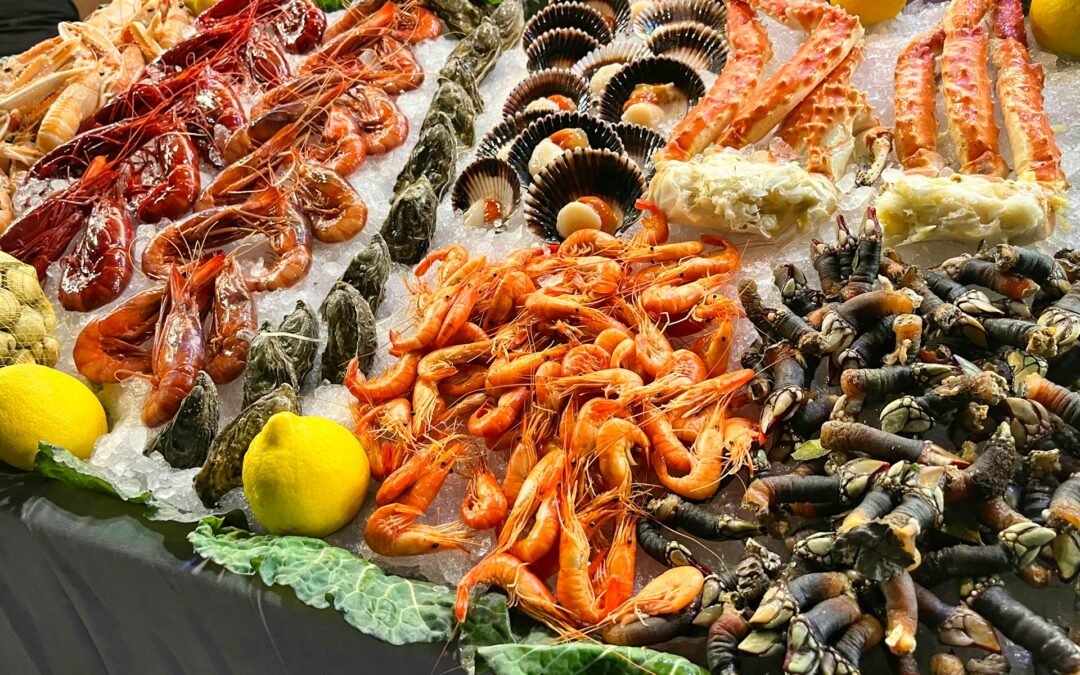
Photo by Yuval Zukerman on Unsplash