
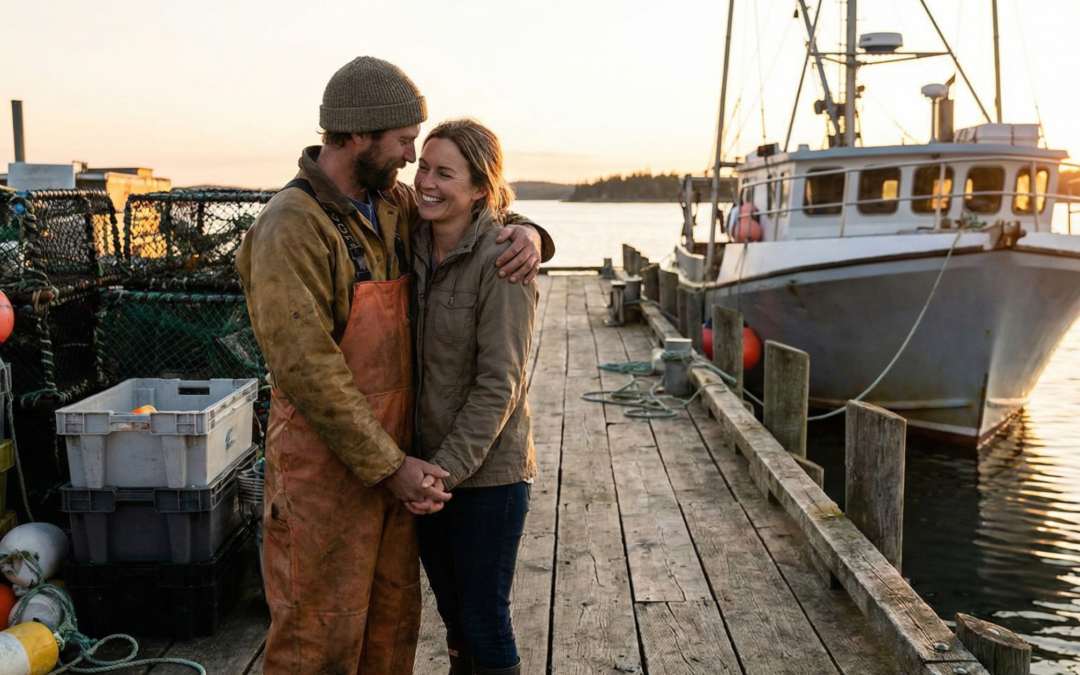
Dating someone in the commercial fishing industry requires a unique understanding of their professional demands and lifestyle. Commercial fishermen face irregular schedules, extended periods away from home, and unpredictable working conditions that significantly impact their personal relationships. Before entering into a relationship with a seafood worker, it is essential to comprehend the realities of their occupation and the sacrifices both partners must be willing to make.
The Demands of Commercial Fishing
Commercial fishing is one of the most demanding professions in the maritime industry. Fishermen spend weeks or even months at sea, depending on their fishing ground, vessel type, and catch requirements. These extended voyages mean that consistent communication can be limited, and physical presence in a relationship becomes sporadic rather than routine.
The work itself is physically exhausting and potentially dangerous. Fishermen encounter unpredictable weather conditions, operate heavy machinery, and work long hours in challenging environments. This demanding nature of work often leaves them fatigued during their time ashore, which can affect how they spend their limited free time with partners.
Managing Long-Distance Aspects of the Relationship
One of the most significant challenges when dating a commercial fisherman is managing the long-distance component of the relationship. Extended separations require strong communication and trust from both partners.
- Establish clear communication expectations before each voyage
- Utilize technology such as video calls, messaging apps, and emails when possible
- Plan specific times to connect, even if briefly, during their time at sea
- Set realistic expectations about communication frequency and availability
- Create traditions or rituals to maintain connection during separations
Building a foundation of trust becomes paramount when partners spend significant time apart. Jealousy and insecurity can undermine relationships, making open dialogue about concerns and feelings essential for long-term success.
Financial Considerations
The financial aspects of dating a commercial fisherman present both advantages and challenges. Income can be substantial, particularly for successful operators or crew members on productive vessels. However, earnings are often irregular and dependent on factors beyond their control, including catch sizes, market prices, fuel costs, and regulatory changes.
Partners should prepare for financial unpredictability and develop budgeting strategies that accommodate fluctuating income. Building emergency savings and maintaining financial independence becomes particularly important when managing a relationship with someone in this industry.
Emotional and Psychological Considerations
The lifestyle of a commercial fisherman can create unique emotional stressors that affect romantic relationships. The combination of physical danger, professional pressure, and extended isolation at sea can manifest as stress, depression, or anxiety when they return home.
Partners should be prepared to provide emotional support while also maintaining healthy boundaries. Understanding that mood shifts or withdrawal upon returning home may relate to occupational stress rather than relationship issues can help prevent misunderstandings. Professional counseling or couples therapy may be beneficial resources for addressing relationship challenges specific to this lifestyle.
Work-Life Balance and Quality Time
Creating meaningful quality time becomes crucial in relationships with commercial fishermen. When they are ashore, prioritizing time together and minimizing distractions can strengthen the relationship during brief windows of availability.
- Plan special activities and dates during their time home
- Involve them in family or social responsibilities gradually to ease reintegration
- Respect their need for rest and recovery after extended voyages
- Create a welcoming home environment that encourages their presence
- Establish routines that provide stability during their ashore periods
Balancing the desire for time together with understanding their physical and emotional recovery needs is essential for maintaining a healthy relationship.
Social and Community Aspects
Dating someone in the fishing industry often means becoming part of a unique community. Many fishing communities have strong cultural traditions, established networks, and shared experiences that can provide support and understanding to partners unfamiliar with the industry.
Engaging with other fishing families and becoming involved in community events can provide valuable perspective and connection with others who understand the unique challenges of this lifestyle. These relationships often become sources of practical advice and emotional support.
Health and Safety Concerns
Commercial fishing remains one of the most hazardous professions in the United States. Partners must come to terms with the inherent risks their significant other faces daily. Staying informed about safety protocols, vessel conditions, and industry regulations can provide some reassurance while acknowledging that risks always exist.
Maintaining open discussions about safety concerns and emergency procedures ensures both partners are prepared for potential situations and understand contingency plans.
Future Planning and Life Goals
Couples where one partner is a commercial fisherman should have frank discussions about long-term goals and expectations. Questions regarding retirement planning, potential career changes, family planning, and geographic location should be addressed early in the relationship.
Understanding whether the fishing career is temporary or long-term helps both partners envision their future together and make informed decisions about the relationship’s trajectory.
Building a Strong Foundation
Successfully dating a commercial fisherman requires patience, understanding, flexibility, and strong communication. While the lifestyle presents unique challenges, many couples thrive by acknowledging these realities and actively working to maintain their connection despite physical distance and demanding schedules.
Those considering or already engaged in relationships with commercial fishermen should recognize that success depends on mutual commitment, realistic expectations, and genuine appreciation for both the sacrifices their partner makes and the demands the relationship itself requires. With dedication and understanding, these relationships can be deeply rewarding and enduring.