
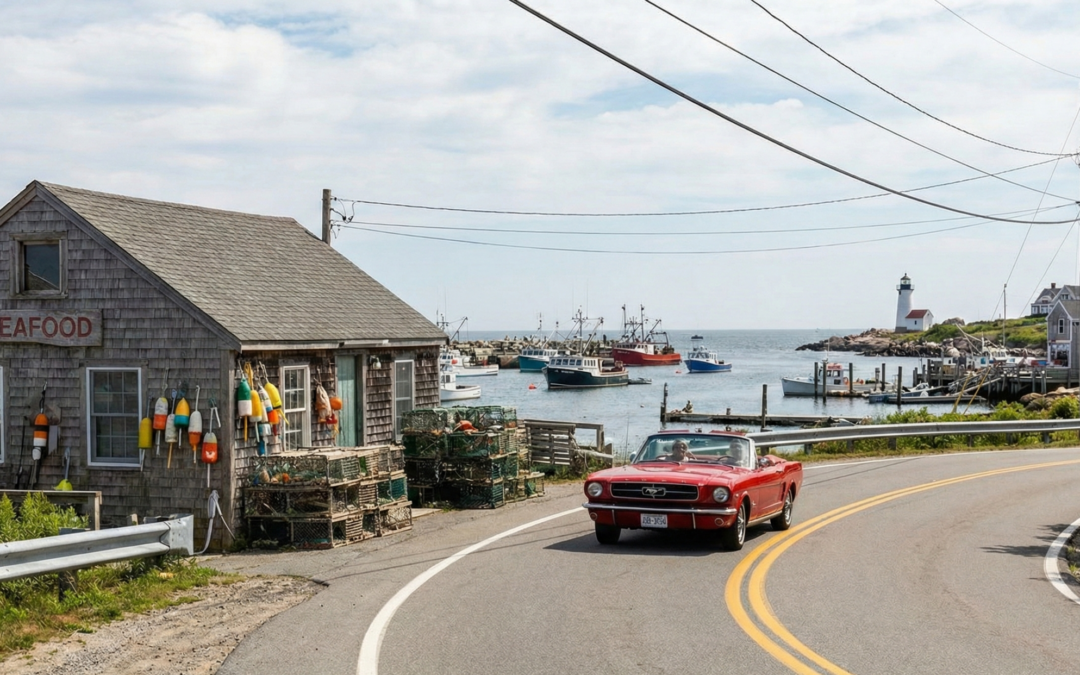
The New England Seafood Trail represents one of America’s most celebrated culinary destinations, offering visitors an immersive journey through the region’s rich maritime heritage and world-renowned seafood culture. Stretching across the picturesque coastlines of Maine, Massachusetts, Rhode Island, and Connecticut, this gastronomic road trip showcases the authentic flavors and traditions that have defined New England’s identity for centuries.
For seafood enthusiasts, food travelers, and curious explorers, the New England Seafood Trail provides an unparalleled opportunity to experience fresh catches prepared by renowned chefs, discover family-owned establishments that have perfected their craft over generations, and understand the deep cultural significance of seafood in this historic region.
The Heart of Lobster Country: Why Maine Leads the Way
Maine stands as the undisputed epicenter of American lobster production and consumption, earning its reputation as “Lobster Country.” The state’s cold Atlantic waters provide ideal conditions for lobster growth, resulting in sweet, tender meat that distinguishes Maine lobsters from all other varieties worldwide.
Each year, Maine’s fishing industry harvests approximately 90 million pounds of lobster, supplying restaurants and markets across the globe. However, experiencing Maine lobster at its source—in the coastal towns where it is caught and prepared—offers an entirely different dimension of appreciation and flavor.
Must-Visit Destinations Along the Trail
Portland, Maine: Gateway to Coastal Excellence
Portland serves as an ideal starting point for the New England Seafood Trail, featuring a vibrant working waterfront and an impressive collection of seafood restaurants ranging from casual to upscale establishments. The city’s Old Port district combines historic architecture with contemporary culinary innovation, creating a unique atmosphere where tradition and modernity coexist.
Visitors can observe working fishing boats, tour local fish markets, and dine at award-winning restaurants that showcase the day’s fresh catch. Portland’s culinary scene has earned national recognition, with several establishments receiving acclaim from major food publications and television networks.
Bar Harbor and Acadia Region
Located on Mount Desert Island, Bar Harbor offers stunning coastal scenery combined with exceptional seafood dining opportunities. The proximity to Acadia National Park makes this destination particularly attractive for travelers seeking to combine outdoor recreation with culinary exploration.
The town’s numerous lobster shacks and fine dining establishments offer diverse interpretations of traditional New England seafood preparations. Fresh lobster rolls, clam chowder, and steamed lobster dinners remain popular choices among both locals and visitors.
Boston: Urban Seafood Culture
As New England’s largest city, Boston boasts a sophisticated seafood scene that blends historical significance with contemporary culinary excellence. The city’s famous Fish Pier and seafood markets have supplied restaurants and home cooks for over a century.
Boston’s Seaport District has emerged as a modern hub for seafood restaurants, while historic neighborhoods like the North End maintain traditional Italian-influenced seafood preparations that reflect the city’s immigrant heritage.
Newport and Rhode Island’s Culinary Scene
Newport’s elegant dining establishments offer refined interpretations of New England seafood classics. The city’s Gilded Age mansions and scenic coastal drives provide a sophisticated backdrop for memorable seafood dining experiences.
Rhode Island, despite its small size, maintains a significant fishing industry and has produced numerous notable seafood restaurants and culinary innovators who have helped shape contemporary New England cuisine.
The Lobster Experience: From Catch to Table
Understanding Lobster Quality and Freshness
Superior New England lobsters are characterized by their sweet meat, firm texture, and distinctive flavor profile that results from the region’s cold waters and natural diet. The best establishments maintain their own lobster tanks and receive daily deliveries of live lobsters from local fishing boats.
When selecting lobster dishes, look for restaurants that emphasize local sourcing and maintain transparent relationships with their suppliers. The freshest lobsters are typically those that have been recently caught and are prepared within hours of arrival at the restaurant.
Traditional Lobster Preparations
New England’s classic lobster preparations have remained largely unchanged for generations, reflecting a philosophy that exceptional ingredients require minimal manipulation. Popular preparations include:
- Steamed Whole Lobster: Lobsters steamed with minimal seasoning, served with drawn butter and simple accompaniments, allowing the natural flavor to shine
- Lobster Rolls: Chunks of fresh lobster meat combined with mayonnaise (Connecticut style) or butter (Maine style), served on a toasted roll
- Lobster Bisque: Creamy soup made from lobster shells and meat, often incorporating sherry or brandy
- Lobster Stuffed Dishes: Various preparations incorporating lobster meat as a filling for fish, pasta, or vegetables
Contemporary Lobster Cuisine
While traditional preparations remain popular, contemporary chefs throughout New England have developed innovative approaches to lobster cuisine. Modern interpretations may incorporate international techniques and flavor profiles while maintaining respect for the ingredient’s inherent quality.
These innovative preparations demonstrate that lobster’s versatility extends far beyond traditional New England dishes, without compromising the ingredient’s essential character and appeal.
Beyond Lobster: Complementary Seafood Offerings
Clams and Oysters
New England’s shellfishing tradition extends well beyond lobster to include numerous varieties of clams and oysters. Raw oyster bars have become increasingly popular throughout the region, offering visitors an opportunity to sample local varieties in their purest form.
Steamed clams, clam chowder, and fried clams represent enduring classics that deserve equal attention alongside lobster specialties. The region’s multiple clam varieties offer diverse flavor profiles and culinary applications.