
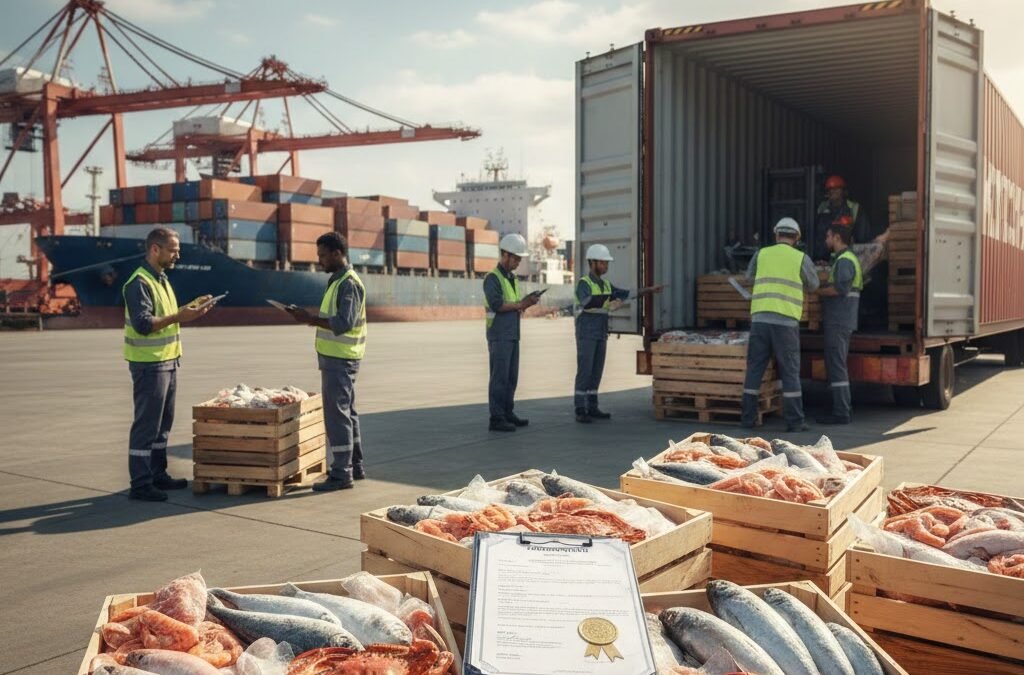
Exporting seafood products internationally requires comprehensive knowledge of regulatory frameworks, licensing requirements, and compliance standards. A seafood export license serves as a critical authorization document that enables businesses to legally transport fish, crustaceans, mollusks, and other aquatic products across international borders. This guide provides essential information for seafood exporters navigating the complex landscape of global trade.
What Is a Seafood Export License?
A seafood export license is an official permit issued by government regulatory authorities that authorizes a business to export seafood products to international markets. This license demonstrates that the exporter meets stringent health, safety, and quality standards established by both the exporting and importing countries. The license confirms that the seafood has been harvested, processed, and handled according to internationally recognized food safety protocols.
The primary purpose of a seafood export license is to protect consumers in importing nations by ensuring that products meet or exceed established food safety requirements. Additionally, these licenses help maintain the integrity of international trade and support sustainable fishing practices.
Key Requirements for Obtaining a Seafood Export License
Registration and Documentation
Before applying for a seafood export license, businesses must complete several preliminary steps. Companies typically need to register with their national fisheries or aquaculture authority and provide detailed information about their operations, including:
- Business registration and ownership documentation
- Facility location and operational details
- Processing and storage capabilities
- Quality control procedures
- Employee training records
Facility Inspection and Certification
Regulatory authorities conduct comprehensive inspections of seafood processing and storage facilities to verify compliance with food safety standards. These inspections assess hygiene practices, equipment maintenance, temperature control systems, and waste management procedures. Facilities must demonstrate adherence to internationally recognized standards such as HACCP (Hazard Analysis and Critical Control Points) protocols.
Food Safety Compliance
Seafood exporters must implement rigorous food safety management systems. These systems should include:
- Regular testing for harmful bacteria and contaminants
- Traceability systems that track products from source to consumer
- Documentation of handling and storage procedures
- Staff training in food safety practices
- Compliance with pesticide and chemical residue limits
Regulatory Bodies and Standards
International Standards
Multiple international organizations establish guidelines that seafood exporters must follow. The Food and Agriculture Organization (FAO) provides technical guidelines for seafood safety, while the Codex Alimentarius Commission establishes international food safety standards. These standards ensure consistency across different countries and markets.
Regional and National Requirements
Different countries and regions impose specific requirements for seafood imports. The European Union, United States, and other major importing nations maintain strict regulations regarding:
- Maximum allowable pesticide residues
- Bacterial contamination thresholds
- Labeling and packaging requirements
- Documentation and certification procedures
- Species-specific regulations
Application Process for Seafood Export Licenses
Step One: Pre-Application Preparation
Prospective exporters should begin by researching specific requirements in their target markets. This preliminary phase involves understanding the regulatory landscape, preparing necessary documentation, and ensuring facility compliance with applicable standards.
Step Two: Formal Application Submission
Once prepared, businesses submit formal applications to their national seafood or fisheries authority. Applications typically include facility blueprints, operational manuals, food safety plans, and staff qualifications. The application process may take several weeks to several months, depending on jurisdiction and application completeness.
Step Three: Official Inspection
Government inspectors visit the facility to verify that operations comply with declared standards. Inspectors evaluate sanitation practices, equipment calibration, product testing protocols, and record-keeping systems. Facilities must demonstrate operational capacity to meet production and quality targets.
Step Four: License Issuance
Upon successful completion of inspections and verification of compliance, regulatory authorities issue the seafood export license. This license typically remains valid for a specified period, often one to three years, after which renewal and reinspection are required.
Destination-Specific Requirements
United States Requirements
The U.S. Food and Drug Administration (FDA) requires all seafood facilities to comply with Current Good Manufacturing Practice (CGMP) regulations. Foreign seafood processors must register with the FDA and implement HACCP systems. Additionally, seafood products must be properly labeled and documented before importation.
European Union Requirements
The EU maintains particularly stringent seafood import standards. Exporters must ensure compliance with EU food hygiene regulations, including proper documentation of origin, processing methods, and quality assurance measures. Certain species may require additional veterinary certification.
Other Major Markets
Japan, China, and other significant importers maintain their own specific requirements. Exporters targeting these markets should conduct thorough research and potentially consult with regulatory experts familiar with local standards.
Documentation and Certification
Essential Documentation
Seafood exporters must maintain comprehensive documentation to support their export operations.