
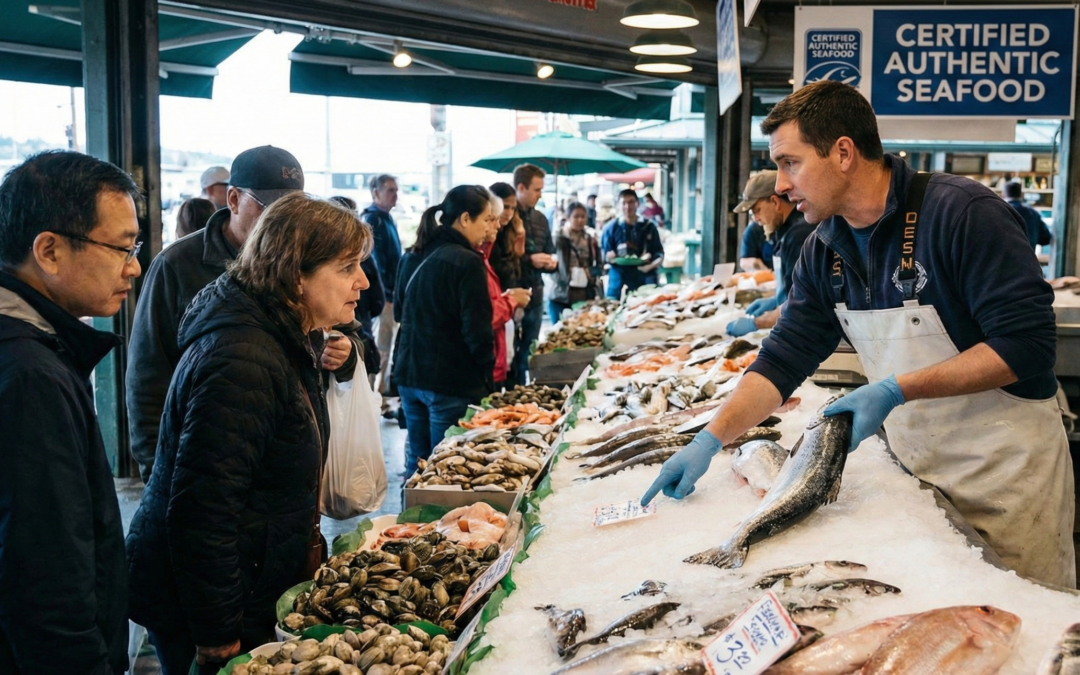
Seafood fraud represents a significant challenge in the global food industry, affecting millions of consumers annually. This deceptive practice involves the mislabeling, substitution, or misrepresentation of seafood products, ranging from species misidentification to false origin claims. Understanding the scope and nature of seafood fraud is the first step toward protecting yourself and your family from potentially harmful and unethical purchases.
The seafood supply chain’s complexity creates numerous opportunities for fraudulent activities. Products pass through multiple distributors, processors, and retailers before reaching consumers, making it difficult to verify authenticity at each stage. According to industry research, approximately 25-70% of certain seafood products may be mislabeled, depending on the species and market.
Common Types of Seafood Fraud
Species Substitution
One of the most prevalent forms of seafood fraud involves replacing premium species with cheaper alternatives. Consumers often pay premium prices for specific fish varieties, such as wild salmon or red snapper, only to receive lower-quality substitutes. This not only affects your wallet but may also pose health risks, as some species contain higher levels of mercury or other contaminants.
Geographic Mislabeling
Products labeled as wild-caught from specific regions are sometimes sourced from entirely different locations. “Wild-caught” seafood from certain regions commands higher prices due to stricter regulations and superior quality standards. Mislabeling the origin allows producers to market inferior products at premium prices while circumventing important food safety protocols.
Farming Method Misrepresentation
Distinguishing between wild-caught and farm-raised seafood is crucial for informed purchasing decisions. Some producers falsely label farm-raised fish as wild-caught or vice versa. This misrepresentation not only affects price but may influence nutritional content and environmental impact considerations that matter to conscious consumers.
False Health Claims
Seafood products are often marketed with specific health benefits. Fraudulent labeling may include exaggerated nutritional claims or misleading statements about sustainability, organic certification, or health advantages that the product does not actually possess.
How to Identify Legitimate Seafood Products
Examine Labels Carefully
Legitimate seafood products display clear, comprehensive labeling that includes:
- Scientific name of the species
- Country or region of origin
- Farming or catching method
- Expiration or best-by date
- Handling and storage instructions
- Certified third-party certifications
Avoid products with vague labeling, unclear origins, or missing critical information. Reputable suppliers provide transparent details about their sourcing practices.
Purchase from Trustworthy Sources
Establish relationships with reliable fishmongers, reputable supermarkets, and certified seafood suppliers. These vendors typically maintain higher standards and face greater accountability. High-quality retailers invest in traceability systems and supplier verification to ensure product authenticity.
Look for Certification Marks
Several organizations provide third-party verification of seafood authenticity and sustainability:
- Marine Stewardship Council (MSC): Certifies sustainable wild-caught seafood
- Aquaculture Stewardship Council (ASC): Certifies responsible farm-raised products
- Friend of the Sea: Verifies sustainable fishing practices
- USDA Organic: Indicates certified organic farm-raised seafood
Verified certification marks provide assurance that products meet established standards for authenticity and sustainability.
Practical Tips for Safe Seafood Purchasing
Know Your Seafood Species
Familiarize yourself with the appearance, texture, and characteristics of seafood you regularly purchase. Fresh fish should have clear eyes, firm flesh, and a fresh ocean smell. Familiarizing yourself with these characteristics enables you to identify obvious substitutions.
Request Documentation
When purchasing from fish markets or specialty retailers, do not hesitate to ask for documentation about the product’s origin and sourcing. Legitimate vendors welcome these inquiries and can provide detailed supply chain information.
Use DNA Testing Technology
Increasingly, consumers have access to affordable DNA testing kits that identify seafood species. These tools can verify whether purchased products match their labels and are particularly useful for regular seafood consumers concerned about fraud.
Compare Prices
Be suspicious of significantly discounted premium seafood. If wild salmon or premium species are priced substantially below market rates, fraudulent substitution may be likely. Research typical market prices to identify unrealistic bargains.
Check Country of Origin Requirements
In many countries, seafood labeling regulations mandate country-of-origin disclosure. Familiarize yourself with these regulations in your region and report products lacking required information to relevant authorities.
The Health Implications of Seafood Fraud
Beyond financial concerns, seafood fraud poses genuine health risks. Certain fish species contain higher mercury levels or harbor specific parasites and bacteria. Substituting species may expose consumers to unexpected contaminants or allergens, potentially causing serious health consequences for vulnerable populations.
Farm-raised fish may contain different levels of omega-3 fatty acids, antibiotics, and pesticides compared to wild-caught varieties. Mislabeling prevents consumers from making informed dietary choices aligned with their health requirements and preferences.
Taking Action Against Seafood Fraud
Report Suspicious Products
If you suspect seafood fraud, report the incident to local consumer protection agencies, food safety authorities, or relevant regulatory bodies.