
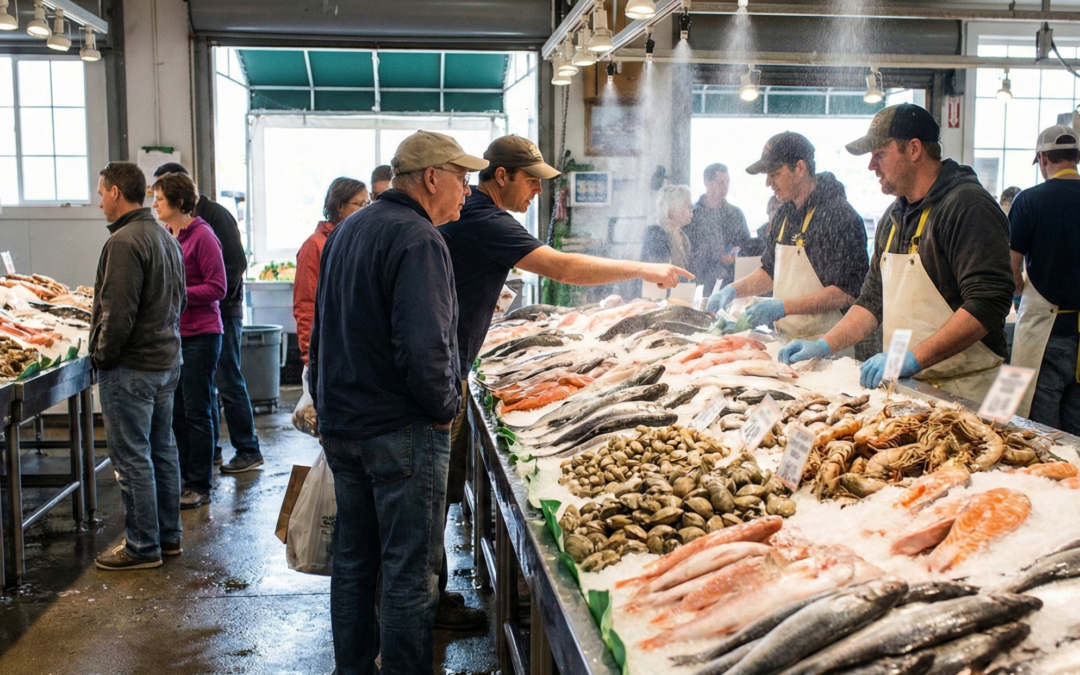
Sourcing fresh seafood from a reputable local market is essential for both culinary excellence and health considerations. Fresh fish and seafood offer superior nutritional benefits, including high-quality protein, omega-3 fatty acids, and vital minerals. When you purchase from a quality seafood market near you, you gain access to products that have been properly handled, stored, and transported to maintain their nutritional integrity and flavor profile.
Key Benefits of Shopping at Local Seafood Markets
Local seafood markets provide numerous advantages over large supermarket chains. These establishments typically offer:
- Superior freshness: Direct relationships with fishermen and suppliers ensure shorter supply chains and fresher products
- Expert guidance: Knowledgeable staff can recommend suitable fish for your cooking methods and provide preparation tips
- Sustainable options: Many local markets prioritize environmentally responsible fishing practices
- Variety and specialization: Access to unique species and seasonal catches not commonly found in conventional grocery stores
- Competitive pricing: Direct sourcing often results in better value for premium quality products
What to Look for When Selecting Fresh Fish
Identifying quality seafood requires knowledge of specific indicators. When examining fresh fish at your local market, consider the following factors:
- Appearance: Fresh fish should display bright, clear eyes and shiny, metallic skin with minimal discoloration
- Odor: Quality seafood smells like the ocean with a mild, briny aroma—avoid any fishy or ammonia-like scents
- Texture: Flesh should be firm and spring back when gently pressed, not leaving indentations
- Gills: Look for bright red or pink gills rather than brown or gray coloring
- Ice presentation: Whole fish should be properly iced and displayed on clean surfaces
Popular Seafood Options Available at Quality Markets
Fresh seafood markets typically stock a diverse selection of options to suit various preferences and culinary needs. Common offerings include:
- Premium fish: Salmon, halibut, sea bass, and snapper provide excellent versatility for multiple cooking methods
- Shellfish: Fresh shrimp, crab, lobster, and scallops offer premium options for special occasions
- Mollusks: Oysters, clams, and mussels deliver authentic flavors for traditional preparations
- Specialty items: Local catches and seasonal species provide unique culinary opportunities
How to Find Quality Seafood Markets in Your Area
Locating a reliable seafood market requires strategic research and evaluation. Begin by searching online for “fresh seafood market near me” or “local fish market” combined with your location. Read customer reviews on platforms such as Google Maps, Yelp, and local community forums to assess market reputation and product quality. Ask for recommendations from friends, family members, and local chefs who frequently purchase seafood. When you visit potential markets, observe cleanliness standards, evaluate staff expertise, and sample offerings to determine which establishment best meets your needs.
Building a Relationship with Your Local Fishmonger
Establishing a relationship with your local seafood market offers long-term advantages. Regular customers often receive priority access to premium catches, personalized recommendations, and advance notice of special items. Experienced fishmongers can guide you toward optimal selections based on your cooking skill level, preferred flavors, and dietary requirements. Building trust with your market encourages them to set aside exceptional products and provide expert advice for preparation and storage.
Proper Storage and Handling at Home
Maintaining freshness after purchase requires immediate and proper handling. Transport seafood in an insulated bag with ice packs to prevent temperature fluctuations. Once home, store fish on the lowest refrigerator shelf to prevent cross-contamination, preferably on ice or in the coldest portion available. Most fresh seafood should be consumed within one to two days of purchase. If freezing is necessary, wrap items tightly in plastic wrap or vacuum-seal packaging to prevent freezer burn and maintain quality for extended storage periods.
Seasonal Considerations and Availability
Understanding seasonal seafood cycles enhances both value and quality. Many species offer optimal freshness during specific seasons when supply is abundant and prices are competitive. Spring brings exceptional scallops and soft-shell crabs, summer features premium salmon and halibut, autumn offers excellent oysters and lobster, and winter provides superior cod and halibut. Consulting with your local market about seasonal peaks helps you plan menus around peak freshness and optimal pricing.
Supporting Sustainable Seafood Practices
Choosing local markets that prioritize sustainable fishing practices contributes to environmental conservation. Ask fishmongers about sourcing practices and request information about fishery certifications. Many reputable markets proudly display sustainability credentials and can explain the origins of their products. Supporting responsible fishing practices ensures long-term availability of quality seafood for future generations while promoting ethical industry standards.
Conclusion: Elevate Your Seafood Experience
Finding a quality fresh seafood market near you represents an investment in superior nutrition, exceptional flavors, and culinary possibilities. By understanding quality indicators, researching local options, and building relationships with knowledgeable vendors, you gain access to premium products that elevate your cooking and dining experiences. Visit your local seafood market today to discover the remarkable difference that freshness, expertise, and personal service can provide to your meals.