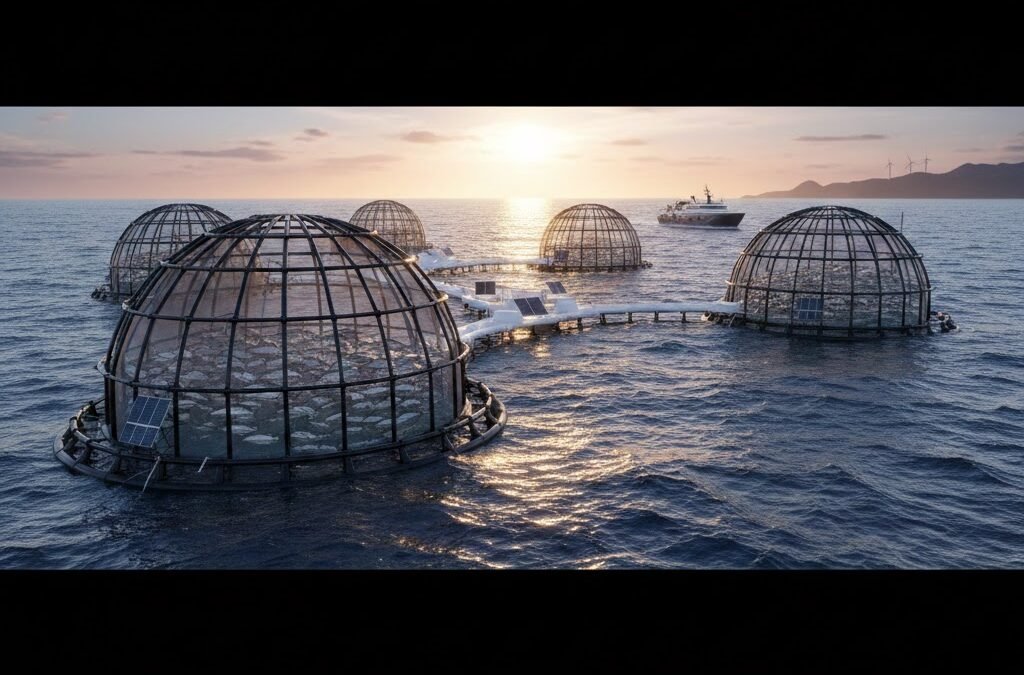
Offshore aquaculture represents a significant advancement in global seafood production, operating in open ocean environments rather than traditional coastal or land-based facilities. This innovative approach to fish and shellfish farming has garnered considerable attention from industry stakeholders, environmental advocates, and seafood consumers alike. While the financial investment required for offshore aquaculture operations substantially exceeds that of conventional farming methods, the long-term benefits and strategic advantages justify these elevated costs.
The Financial Reality of Offshore Operations
The initial capital investment for offshore aquaculture facilities is undeniably substantial. Modern offshore farms require specialized equipment, advanced mooring systems, reinforced containment structures, and sophisticated monitoring technology to withstand harsh marine conditions. Additionally, operational expenses encompass trained personnel, regular maintenance, comprehensive insurance coverage, and stringent regulatory compliance measures. These factors collectively contribute to production costs that significantly surpass those of land-based or nearshore facilities.
Infrastructure and Technology Requirements
Establishing a functional offshore aquaculture operation demands considerable technological infrastructure. Key components include:
- Heavy-duty cage systems engineered to resist extreme weather conditions and strong currents
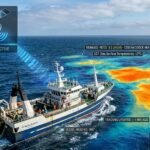
- Advanced real-time monitoring systems for water quality, fish health, and environmental parameters
- Automated feeding systems and waste management technologies
- Comprehensive vessel support for daily operations and emergency response
- Specialized personnel training and certification programs
Why the Investment Delivers Superior Returns
Environmental Sustainability Benefits
Offshore aquaculture facilities offer substantial environmental advantages that justify their higher operational costs. By locating farms in deeper, more dynamic ocean environments, natural water circulation patterns effectively dilute and disperse waste products, minimizing environmental accumulation compared to nearshore operations. This natural remediation capacity reduces the need for extensive treatment infrastructure while maintaining ecosystem health. The reduced environmental impact translates into lower long-term regulatory costs and enhanced market positioning for environmentally conscious consumers.
Superior Fish Health and Quality
Operating in offshore environments provides inherent advantages for aquaculture species health and product quality. Enhanced water exchange rates, colder temperatures in deeper waters, and naturally occurring environmental variations support optimal fish welfare and growth conditions. These factors result in:
- Reduced disease incidence and lower antibiotic dependency
- Improved flesh quality and nutritional profiles
- Enhanced market value commanding premium prices
- Stronger consumer perception and brand reputation
Increased Production Capacity
Offshore locations, unbounded by coastal space constraints, permit larger-scale farming operations capable of addressing global seafood demand. This expanded production capacity enables operators to achieve greater economies of scale, ultimately reducing per-unit production costs despite higher initial investments. The ability to increase output directly correlates with improved profitability and market competitiveness over the operational lifespan of facilities.
Economic Advantages and Market Positioning
Premium product quality derived from offshore farming commands higher market prices, creating a financial advantage that offsets elevated operational costs. Consumers increasingly demonstrate willingness to pay premium rates for responsibly sourced, high-quality seafood products. Offshore aquaculture operators, particularly those employing best management practices, capture this market segment effectively, establishing strong competitive advantages within the global seafood marketplace.
Technological Innovation and Efficiency
The demanding conditions of offshore aquaculture have stimulated substantial technological innovation, resulting in increasingly efficient operational systems. Advanced automation, artificial intelligence-driven monitoring, and optimized feeding protocols continue to reduce operational expenses while improving production metrics. As these technologies mature and achieve broader adoption, operational costs decline progressively, enhancing return on investment for established facilities.
Regulatory Compliance and Risk Mitigation
Offshore aquaculture operations benefit from clearer regulatory frameworks and generally more favorable environmental assessments compared to nearshore alternatives. While compliance expenses are substantial, the reduced regulatory uncertainty and lower risk of operational restrictions justify investment in offshore infrastructure. This regulatory clarity provides business stability and long-term operational security unavailable in more restrictive jurisdictions.
Global Food Security Considerations
Wild-capture fisheries face increasing pressure from overharvesting and environmental degradation, necessitating alternative protein sources to meet growing global seafood demand. Offshore aquaculture represents a critical solution to this challenge, enabling sustainable protein production at scales capable of supporting expanding populations. The strategic importance of this capability justifies substantial economic investment as a matter of global food security.
Investment Justification: Long-Term Perspective
Evaluating offshore aquaculture economics requires adopting a long-term perspective encompassing facility lifespans of 15-30 years. When assessed across extended operational periods, high initial and ongoing costs distribute across substantially larger production volumes, resulting in competitive unit costs. Furthermore, early adopters of offshore aquaculture technology establish market leadership positions, brand recognition, and operational expertise that generate sustained competitive advantages and premium valuations.
Conclusion
While offshore aquaculture demands significant financial commitment, the combination of environmental benefits, superior product quality, enhanced disease management, production scalability, and strategic market positioning renders these costs economically justified. As global demand for sustainable seafood continues expanding and technological systems mature, offshore aquaculture represents not merely an viable investment, but an essential component of responsible, long-term seafood industry development. The high costs associated with offshore operations reflect genuine value creation—environmental stewardship, food security contribution, and economic sustainability—making them investments worth making for forward-thinking industry participants.