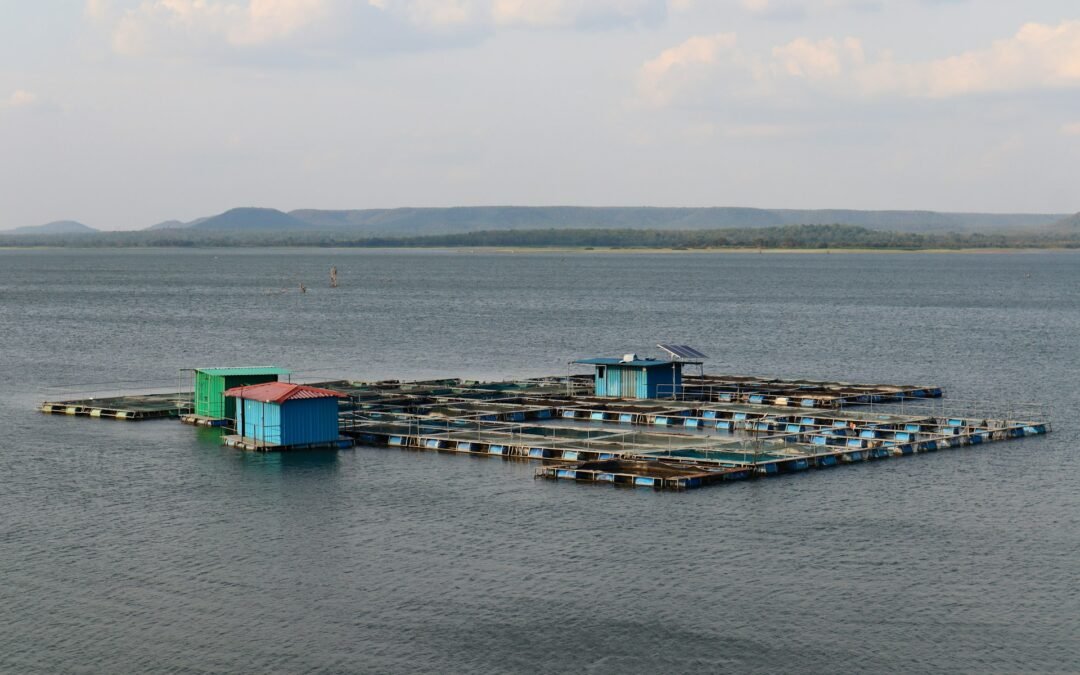
The global demand for seafood continues to rise while wild fish stocks face increasing pressure, creating unprecedented opportunities for entrepreneurs to enter the aquaculture business with minimal capital. Starting a fish farm no longer requires massive ponds, expensive equipment, or industrial-scale operations. Today’s small-scale aquaculture business models allow beginners to launch profitable ventures from backyards, garages, or even balconies with investments under $1,000.
Why Low-Investment Aquaculture Works Now
Several factors make small-scale aquaculture business ventures viable today:
- High consumer demand for organic, locally-grown, chemical-free fish and produce
- Premium pricing opportunities for “harvested today” freshness
- Minimal space requirements using recirculating systems
- Year-round production is possible with indoor setups
- Water efficiency uses up to 90% less water than traditional farming
These advantages allow entrepreneurs to test the aquaculture business waters without diving into massive debt.
DIY Aquaponics: The Ultimate Low-Cost Entry Point
Aquaponics, the symbiotic combination of fish farming and hydroponic plant growth, represents the most accessible entry into aquaculture business ownership. By building your own system from repurposed materials, you can start with remarkably low investment while producing two revenue streams: fish and vegetables.
Building a $500 IBC Tote System
The Intermediate Bulk Container (IBC) tote system offers the perfect balance of affordability and functionality for aquaculture business startups. Using a single 275-gallon food-grade tote (typically $50-$100 used), you can create a complete system:
Materials needed:
- One 275-gallon food-grade IBC tote
- PVC piping and fittings ($50)
- Water pump and air pump ($80)
- Grow medium (clay pebbles or expanded shale) ($60)
- Basic tools and hardware ($50)
- Initial fish stock and plants ($100)
System components: The IBC tote is divided into a fish tank (bottom portion) and a grow bed (top 12 inches). A bell siphon creates tidal action in the grow bed, while beneficial bacteria convert fish waste into plant nutrients. This closed-loop system uses 90% less water than soil gardening and can produce 200+ pounds of fish annually, plus continuous vegetable harvests.
Small-Scale Fish Farming Models
Backyard Pond Systems
For those with outdoor space, small earthen ponds offer the lowest-cost entry point into aquaculture. A 0.2-hectare (roughly half-acre) pond can be constructed for approximately $800-$1,000 in India, with government subsidies potentially covering 75% of costs through programs like the Blue Revolution.
Stocking strategy for mixed species:
- 20% surface feeders (Catla, Silver carp)
- 30% middle feeders (Rohu)
- 15% bottom feeders (Mrigal, Common carp)
- 10% grass carp for vegetation control
This polyculture approach maximizes production while minimizing risk. With 10,000 fingerlings per hectare, small-scale operators can harvest 4-6 tons of fish annually after 10-12 months.
Garage or Basement Recirculating Systems
Indoor recirculating aquaculture systems (RAS) allow aquaculture business operations regardless of the climate. While commercial RAS facilities cost millions, small-scale versions can start under $2,000:
- Tank systems: Use 250-500-gallon tanks with biofiltration
- Species selection: Focus on high-value species like tilapia, barramundi, or freshwater prawns
- Energy efficiency: LED grow lights and efficient pumps minimize operating costs
Marketing Strategies for Small Aquaculture Businesses
Success in a small-scale aquaculture business requires direct marketing to capture premium prices. Large-scale buyers typically pay below small-farm break-even prices, so niche marketing is essential:
Direct sales channels:
- Farmers’ markets: Fresh fish commands 30-50% premiums
- Restaurant contracts: Chefs pay a premium for “harvested this morning” freshness
- Subscription boxes: Weekly deliveries of fresh fish and vegetables
- Community Supported Agriculture (CSA): Prepaid memberships ensure cash flow
Value-added products: Process fish into smoked, marinated, or prepared items to increase margins. Live sales to hobby aquarists or pond owners provide additional revenue streams.
Financial Projections for Starter Systems
Realistic income expectations help aquaculture business planners set appropriate goals:
| System Type | Investment | Space | Monthly Yield | Monthly Income |
| Micro Aquaponics | $300-500 | 10 sq ft | 2-3 kg greens + herbs | $60-120 |
| Small Backyard Pond | $800-1,200 | 2,000 sq ft | 50-100 kg fish | $200-400 |
| Garage RAS | $1,500-2,500 | 100 sq ft | 20-40 kg fish | $300-600 |
| Small-Scale Commercial | $5,000-10,000 | 5,000 sq ft | 200-500 kg fish | $1,000-2,500 |
These figures demonstrate that aquaculture business profitability depends on strategy rather than scale. Focus on fast-growing, high-demand species and direct sales for optimal returns.
Critical Success Factors
Species Selection
Choose fish species based on:
- Growth rate: Tilapia reach harvest size in 6-8 months
- Hardiness: Beginners should avoid delicate species
- Local demand: Research market preferences in your area
- Climate suitability: Match species to your temperature range
Tilapia, catfish, and common carp remain popular for beginners due to their resilience and fast growth. For premium markets, consider barramundi, Murray cod, or freshwater prawns.
Water Quality Management
A successful aquaculture business operation requires understanding:
- Nitrogen cycle: Essential for aquaponics success
- pH monitoring: Most fish thrive at pH 6.5-8.0
- Oxygen levels: Critical for fish health and growth
- Temperature control: Species-specific requirements
Basic testing kits ($30) and consistent monitoring prevent costly fish losses.
Regulatory Compliance
Before launching your aquaculture business:
- Check local zoning regulations for fish farming
- Obtain necessary permits for water use and discharge
- Understand food safety requirements for sales
- Consider organic certification for premium pricing
Many states offer extension services providing free guidance on regulations and best practices.
Scaling Your Aquaculture Business
The beauty of a low-investment aquaculture business entry is the ability to scale gradually:
- Phase 1: Validate your system and market with a single IBC tote or small pond
- Phase 2: Expand to multiple tanks or larger pond systems based on demand
- Phase 3: Consider commercial-scale operations or specialized niches (fingerling production, ornamental fish, or intensive RAS)
This incremental approach minimizes risk while building expertise and customer relationships.
Conclusion
Starting an aquaculture business no longer requires massive capital investment. Through DIY aquaponics systems, small-scale pond operations, or garage-based recirculating systems, entrepreneurs can enter this growing industry with $500-$2,000 initial investment. The key to success lies in starting small, focusing on high-value direct sales, and scaling based on proven demand rather than speculative projections.
By leveraging sustainable practices, local food movements, and premium pricing for freshness, small-scale aquaculture business operators can build profitable enterprises while contributing to food security. Whether you’re seeking a side hustle or a full-time farming career, today’s low-investment aquaculture options make the dream of fish farming accessible to virtually anyone with dedication and a modest budget.
Photo by Vineet Pathak on Unsplash