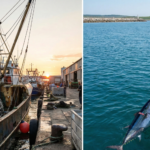

Sustainability has become one of the most frequently used terms in the global seafood industry. From eco-labels and traceability claims to climate-smart fishing practices, “sustainable fisheries” are now central to industry conversations. But beyond reputation and environmental responsibility, a critical question remains: do sustainable fisheries actually deliver stronger financial performance?. As regulatory pressure intensifies and markets evolve, evidence suggests sustainability is increasingly tied to long-term profitability. Certified sustainable fisheries often benefit from improved market access, price premiums, and stronger relationships with major buyers and retailers. Efficient resource management can also reduce stock volatility, lowering long-term operational risk and stabilizing revenues. Investments in traceability and transparency help companies meet compliance requirements while building consumer trust. Over time, these practices can attract investment, reduce insurance and financing costs, and enhance resilience against environmental and market shocks. Together, these factors indicate that sustainability is not just an ethical choice, but a strategic economic advantage.
The Cost Perception vs. Economic Reality
For years, sustainability initiatives were viewed as a cost burden requiring investments in gear modifications, certifications, monitoring systems, and compliance reporting. While upfront costs are real, the economic equation has begun to shift.
Sustainable fisheries often benefit from:
- Improved stock health and more stable harvest volumes
- Lower risk of fishery closures due to overfishing
- Increased operational efficiency through better data and management
Over time, these factors reduce uncertainty and protect revenue streams.
Market Access and Price Premiums
One of the strongest financial advantages of sustainable fisheries lies in market access. Many global retailers, foodservice companies, and importers now require sustainability certifications or verified sourcing.
Key benefits include:
- Access to premium markets in North America and Europe
- Stronger negotiating power with buyers seeking certified supply
- Price premiums for eco-labeled seafood products
While premiums vary by species and region, certified fisheries often experience greater demand stability, even during market downturns.
Operational Efficiency Through Innovation
Sustainability has driven innovation across fishing operations. Modern gear technologies, electronic monitoring, and data-driven stock assessments help fisheries reduce bycatch, fuel use, and waste.
These efficiencies translate directly to cost savings:
- Reduced fuel consumption lowers operating expenses
- Selective fishing gear improves catch quality and value
- Data-driven management minimizes lost fishing days
Sustainable practices are increasingly aligned with smarter, more profitable operations.
Risk Reduction and Long-Term Stability
Perhaps the most overlooked financial benefit of sustainable fisheries is risk management. Unsustainable practices expose businesses to regulatory shutdowns, stock collapses, and reputational damage.
Sustainably managed fisheries experience:
- More predictable quota allocations
- Reduced exposure to regulatory penalties
- Greater resilience to environmental and market shocks
This stability is especially attractive to investors and lenders, who are placing growing emphasis on environmental performance and long-term viability.
Challenges That Still Remain
Despite the financial upside, sustainability is not an instant profit solution. Small-scale fisheries, in particular, face barriers such as:
- High certification and compliance costs
- Limited access to capital and technology
- Uneven price premiums across global markets
Bridging these gaps will require continued investment, policy support, and supply-chain collaboration.
The Bottom Line
Sustainable fisheries are no longer just a branding exercise; they are increasingly a business strategy. While short-term costs can be significant, long-term data points to improved profitability through market access, operational efficiency, and reduced risk. As seafood markets continue to prioritize transparency and responsible sourcing, sustainability is shifting from a buzzword to a measurable contributor to the bottom line. Companies that proactively adopt sustainable practices are better positioned to meet future regulations and avoid costly disruptions. These efforts also strengthen brand credibility, helping businesses secure long-term contracts with sustainability-focused buyers. In an increasingly competitive global market, sustainability is becoming a key driver of financial resilience and growth.
Photo by Yuval Zukerman on Unsplash