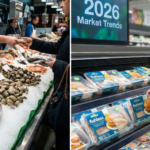

The seafood industry has experienced unprecedented growth over the past decade, driven by increasing consumer demand for sustainable protein sources and health-conscious dietary choices. However, this expansion has also intensified competition, making it essential for seafood brands to develop distinctive strategies that set them apart from established players and emerging competitors alike.
The global seafood market is characterized by diverse distribution channels, ranging from traditional retail environments to e-commerce platforms and direct-to-consumer models. Understanding where your target audience shops and how they make purchasing decisions is fundamental to building a successful brand presence in this crowded marketplace.
Developing a Clear Brand Identity
Creating a memorable seafood brand begins with establishing a clear and compelling brand identity that resonates with your target demographic. Your brand identity encompasses your mission, values, visual design, and the unique value proposition that distinguishes your products from competitors.
Defining Your Unique Value Proposition
Your unique value proposition should articulate what makes your seafood products superior or different. This could include factors such as:
- Sustainable sourcing practices and environmental certifications
- Superior quality standards and rigorous testing protocols
- Direct relationships with fishing communities and transparent supply chains
- Specialized processing methods that enhance flavor or nutritional value
- Exclusive product varieties or regional specialties
By clearly communicating these differentiators, you establish reasons for consumers to choose your brand over competing alternatives, building customer loyalty and justifying premium pricing when appropriate.
Crafting Authentic Brand Messaging
Authentic brand messaging builds trust with consumers who are increasingly skeptical of marketing claims. Your messaging should transparently communicate your sourcing methods, quality assurance processes, and sustainability practices. Consistency across all marketing channels reinforces your brand identity and creates a cohesive customer experience.
Prioritizing Sustainability and Transparency
Modern consumers, particularly younger demographics, demonstrate strong preferences for sustainably sourced seafood products. Environmental consciousness has transformed from a niche market concern into a mainstream purchasing criterion that significantly influences brand selection.
Implementing Sustainable Sourcing Practices
Establishing sustainable sourcing practices provides both ethical and commercial benefits. Consider partnering with certified fisheries, supporting responsible aquaculture operations, and obtaining third-party certifications from recognized organizations such as the Marine Stewardship Council or similar regional equivalents.
Building Supply Chain Transparency
Transparency throughout your supply chain builds consumer confidence and differentiates your brand in the competitive marketplace. Modern consumers want to understand where their seafood originates, how it was caught or farmed, and the journey it takes before reaching their table. Implementing traceability systems and communicating this information through packaging, websites, and social media strengthens brand credibility.
Leveraging Digital Marketing and E-Commerce
Digital platforms have revolutionized how consumers discover, research, and purchase seafood products. Establishing a robust digital presence is no longer optional but essential for competitive success.
Optimizing Your Online Presence
Develop a user-friendly website that showcases your products, communicates your brand story, and facilitates seamless purchasing experiences. Your website should include detailed product information, recipe inspiration, nutritional data, and customer testimonials that reinforce product quality and brand reliability.
Implementing Strategic Content Marketing
Content marketing establishes your brand as a trusted authority within the seafood industry. Consider creating valuable resources such as:
- Cooking guides and recipe collections featuring your products
- Educational content about seafood varieties, preparation methods, and health benefits
- Behind-the-scenes content documenting your sourcing and production processes
- Blog posts addressing consumer questions about seafood quality, sustainability, and nutrition
Quality content attracts organic search traffic, improves search engine rankings, and builds brand authority while providing genuine value to your target audience.
Utilizing Social Media Strategically
Social media platforms provide direct channels for engaging with customers, sharing your brand story, and building community. Visual platforms such as Instagram and TikTok are particularly effective for showcasing seafood products, sharing recipes, and highlighting your sourcing practices through compelling imagery and video content.
Building Strategic Partnerships and Distribution Networks
Success in the seafood market often depends on developing strategic partnerships that expand your distribution reach and enhance your brand credibility.
Establishing Retail Partnerships
Securing shelf space in retail environments requires understanding retailer priorities and demonstrating your products’ commercial viability. Retailers seek products with strong consumer demand, reliable supply, competitive margins, and compelling marketing support. Developing relationships with retail buyers and providing marketing assistance increases the likelihood of securing and maintaining retail placement.
Exploring Direct-to-Consumer Channels
Direct-to-consumer sales models offer higher profit margins and valuable consumer data while building direct relationships with your customer base. E-commerce platforms, subscription services, and community-supported fishery models provide alternative distribution channels that bypass traditional retail intermediaries.
Implementing Quality Assurance and Food Safety Standards
Consumer trust in seafood brands fundamentally depends on demonstrated commitment to food safety and product quality. Implementing rigorous quality assurance protocols protects public health, builds brand reputation, and ensures regulatory compliance.
Establish comprehensive quality control procedures throughout your supply chain, obtain relevant certifications and regulatory approvals, and maintain transparent communication about your food safety practices. Consider sharing third-party audit results and certifications as evidence of your commitment to safety and quality.
Creating Customer Engagement and Loyalty Programs
Building long-term customer relationships extends beyond individual transactions. Implementing loyalty programs, email marketing initiatives, and community engagement strategies strengthens customer retention and increases lifetime customer value.