In an era where sustainability and efficiency are reshaping global fisheries, smart nets and sensor-based fishing technologies are emerging as transformative tools at sea. Once considered experimental, these innovations are now redefining how fishing vessels operate, helping reduce waste, improve selectivity, and protect marine ecosystems while maintaining economic viability. As fishing fleets face tighter regulations and growing environmental scrutiny, technology-driven solutions are proving that responsible fishing and operational efficiency can advance together.
Pioneering Smart Fishing Technology in Modern Fisheries
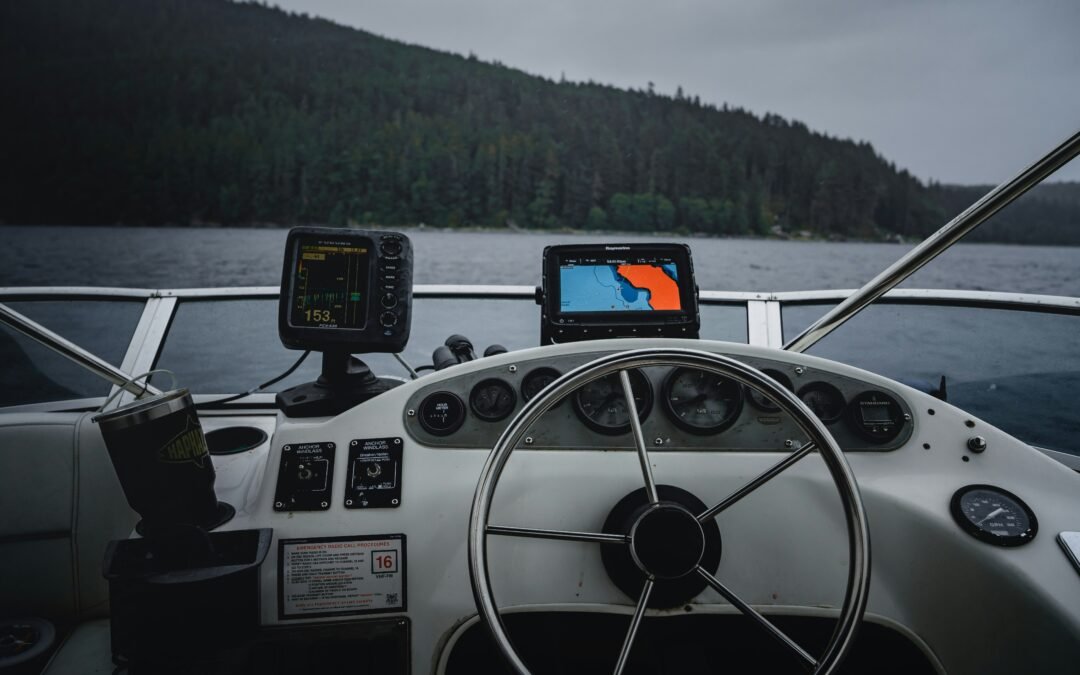
Smart fishing gear represents a fundamental shift from traditional, experience-based methods to data-informed decision-making. By integrating sensors, underwater cameras, and real-time analytics directly into fishing equipment, vessels gain unprecedented visibility into what is happening below the surface. These technologies allow fishers to respond dynamically to changing conditions, reducing unintended catch and minimizing environmental impact.
Technological Investments and Efficiency Gains
Recent advancements in smart fishing gear focus on three critical operational areas:
- Selective Fishing Efficiency: Sensor-enabled nets identify species composition and fish size in real time, improving target catch accuracy
- Quality Control at Sea: Reduced handling and faster retrieval preserve catch quality and value
- Waste Reduction Technologies: Smart escape panels and depth-adjustment systems minimize bycatch and discards
Together, these innovations help vessels optimize each haul while reducing unnecessary waste.
Sustainability: More Than a Regulatory Requirement
Smart nets and sensors demonstrate that sustainability in fisheries can be proactive rather than reactive. By preventing waste before it occurs, these tools address environmental concerns at the source.
Key sustainability outcomes include:
- Bycatch Reduction: Early detection of non-target species enables timely release
- Habitat Protection: Seafloor sensors help vessels avoid sensitive marine environments
- Ecosystem Balance: Improved selectivity supports healthier fish stocks over time
This approach aligns conservation goals with day-to-day fishing operations.
Industry Leadership and Competitive Advantage
Fishing operations that adopt smart gear are gaining a competitive edge. Reduced waste translates into higher-value landings, lower fuel use, and fewer regulatory penalties. As buyers and regulators increasingly prioritize traceability and sustainability, technology-enabled vessels are better positioned to meet market expectations and secure long-term access to key fisheries.
Alignment With Fisheries Management and Policy
Smart fishing technologies support science-based management by generating reliable, real-time data. This information strengthens stock assessments and improves compliance with conservation measures. In some regions, regulators are exploring incentives and pilot programs that encourage the adoption of selective gear, recognizing its role in meeting sustainability targets.
Short-Term and Long-Term Goals
The adoption of smart nets and sensors follows a phased trajectory:
- Immediate Focus: Pilot programs and targeted deployment in high-risk fisheries
- Mid-Term Strategy: Broader fleet adoption and integration with electronic monitoring systems
- Long-Term Vision: Industry-wide standardization of smart fishing technologies
This progression supports both innovation and scalability.
Economic and Environmental Impact
The benefits of smart fishing technology extend across ecological and economic dimensions:
- Operational Efficiency: Reduced sorting time and improved catch quality
- Environmental Footprint: Lower bycatch rates and minimized habitat disturbance
- Economic Contribution: Greater profitability and long-term fishery resilience
These outcomes reinforce the business case for sustainable fishing innovation.
Conclusion
Smart nets and sensors are redefining what responsible fishing looks like in the modern seafood industry. By reducing waste at sea, improving selectivity, and supporting ecosystem health, fishing technology is enabling a future where sustainability and productivity move forward together. Rather than adapting to change, the industry is increasingly shaping it one data-driven catch at a time.
Photo by Yiran Ding on Unsplash