
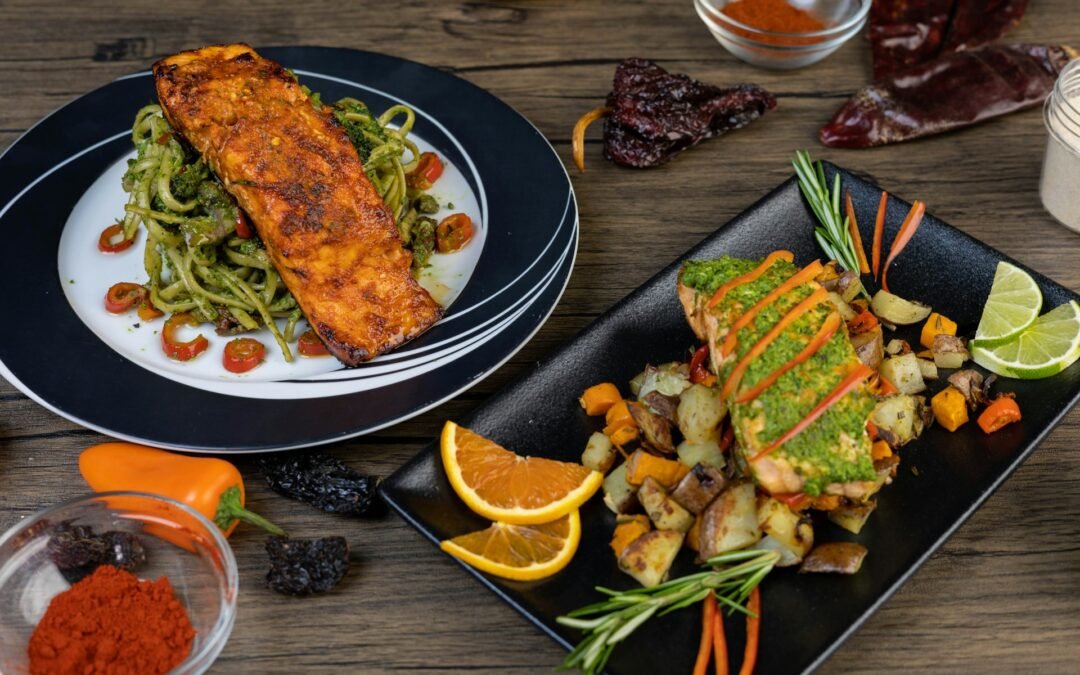
Cooking fresh seafood at home can feel intimidating, but it doesn’t have to be. With the right ingredients, simple techniques, and a focus on quality rather than complexity, it’s possible to create restaurant-quality seafood dishes in your own kitchen. Fresh seafood naturally delivers bold flavor, delicate texture, and nutritional value, which means it requires less manipulation than many other proteins. Professional chefs often rely on minimal seasoning, proper timing, and careful handling to let the seafood shine. Home cooks can achieve the same results by learning a few foundational principles and choosing recipes designed for simplicity and balance. Whether you’re preparing a weeknight dinner or hosting guests, fresh seafood recipes offer an elevated dining experience without excessive effort. This guide explores how to select seafood, master essential cooking methods, and prepare dishes that look and taste like they came straight from a restaurant.
Choosing the Right Fresh Seafood
Great seafood dishes begin with high-quality ingredients. Freshness is the most important factor, and knowing what to look for makes a noticeable difference.
When selecting fresh seafood:
- Fish should smell clean and mild, never fishy
- Flesh should be firm and spring back when pressed
- Shellfish should be tightly closed or close when tapped
- Color should appear vibrant, not dull or dry
If fresh seafood isn’t available, high-quality frozen options can still produce excellent results. Many restaurants rely on frozen seafood that is processed and flash-frozen at peak freshness.
Essential Tools for Restaurant-Quality Results
You don’t need professional equipment, but a few tools help elevate home seafood cooking.
Helpful kitchen essentials include:
- A heavy skillet for searing fish
- A sharp knife for clean cuts
- A thermometer to avoid overcooking
- Parchment paper or foil for gentle baking
Having these tools allows better temperature control, which is critical when working with delicate seafood.
Simple Cooking Techniques That Make a Difference
Restaurants focus on technique rather than complicated recipes. Mastering a few basic methods allows you to create a wide variety of dishes.
Pan-Searing
Pan-searing creates a golden crust while keeping the inside moist. Pat the seafood dry, season lightly, and cook in a hot pan with minimal oil. Avoid moving the fish too soon to allow proper browning.
Baking and Roasting
Baking is ideal for thicker fillets and shellfish. Cooking seafood at moderate temperatures with herbs, citrus, and olive oil preserves moisture and enhances natural flavor.
Grilling
Grilling adds smoky depth and visual appeal. Oily fish and shellfish hold up especially well on the grill when lightly brushed with oil.
Flavor Pairings That Feel Professional
Restaurant-quality seafood relies on balanced flavors rather than heavy sauces.
Popular pairings include:
- Citrus such as lemon, lime, or orange
- Fresh herbs like parsley, dill, and thyme
- Garlic and shallots for subtle depth
- Butter and olive oil are used sparingly
These ingredients enhance seafood without overpowering it, creating clean and refined dishes.
Fresh Seafood Recipes to Try at Home
Lemon Herb Pan-Seared Fish
A simple pan-seared fish finished with lemon juice, butter, and fresh herbs delivers a classic restaurant-style plate in under 15 minutes.
Garlic Butter Shrimp
Shrimp cooked quickly in garlic, butter, and a splash of white wine creates a versatile dish that works as an entrée or appetizer.
Baked Salmon With Citrus and Dill
Salmon baked with citrus slices and herbs stays tender and flavorful while requiring minimal preparation.
Seared Scallops With Simple Pan Sauce
Scallops develop a rich crust when seared properly. A quick pan sauce made from butter and lemon completes the dish.
Presentation: Making Seafood Look Restaurant-Ready
Presentation plays a major role in the dining experience. Restaurants focus on clean plating rather than overcrowding the plate.
Simple presentation tips:
- Use white or neutral plates
- Leave space around the seafood
- Add color with herbs or vegetables
- Finish with a drizzle of sauce
Small details elevate the visual appeal without extra effort.
Avoiding Common Seafood Cooking Mistakes
Many home cooks struggle with seafood because of overcooking. Seafood cooks quickly and continues cooking after being removed from the heat.
Common mistakes to avoid:
- Cooking at too high a temperature for too long
- Over-seasoning delicate fish
- Crowding the pan
- Skipping resting time
Watching cooking times closely preserves texture and flavor.
Bringing Restaurant Quality Into Everyday Meals
Restaurant-quality seafood doesn’t require expensive ingredients or complex recipes. By focusing on freshness, technique, and balance, home cooks can prepare dishes that rival professional kitchens. Fresh seafood recipes offer flexibility, speed, and sophistication, making them ideal for both casual meals and special occasions.
With a little practice and confidence, cooking seafood at home becomes less about following strict recipes and more about understanding how simple methods create exceptional results.
Photo by Federico Ramirez on Unsplash