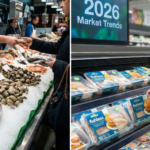

The international seafood trade, valued at over $150 billion annually, faces unprecedented disruption as geopolitical tensions reshape supply chains and reshape market dynamics. From trade restrictions to territorial disputes, the mechanisms of global seafood commerce are undergoing fundamental transformation that affects producers, distributors, and consumers worldwide.
Key Geopolitical Factors Affecting Seafood Trade
Several interconnected geopolitical developments have created significant headwinds for the seafood industry. These factors extend beyond traditional trade barriers, encompassing territorial disputes, sanctions regimes, and shifting alliances that directly influence how seafood moves across international borders.
Trade Restrictions and Tariff Escalations
Protectionist trade policies have emerged as primary drivers of disruption within the seafood sector. Nations increasingly implement tariffs and import restrictions on seafood products, citing concerns ranging from national food security to domestic industry protection. These measures directly impact pricing structures and market accessibility, forcing importers and exporters to reassess their operational strategies.
Territorial Disputes and Fishing Rights
Competing claims over maritime boundaries and fishing zones have intensified tensions between neighboring nations. These disputes particularly affect major fishing regions, including:
- The South China Sea, where multiple nations contest fishing rights and mineral resources
- The Arctic region, where climate change and melting ice reveal new commercial fishing opportunities amid sovereignty questions
- The North Atlantic, where traditional fishing grounds face management challenges and access restrictions
When territorial disputes escalate, fishing operations face operational uncertainty, increased enforcement actions, and restrictions on vessel movements, ultimately reducing supply to global markets.
Sanctions and Export Controls
Geopolitical tensions frequently manifest through sanctions regimes that specifically target seafood exports. Major seafood-producing nations facing international sanctions experience severe trade disruptions, losing access to critical markets and facing restrictions on purchasing necessary equipment and inputs for their fishing industries.
Supply Chain Realignment and Market Shifts
Geopolitical uncertainties have prompted significant restructuring of global seafood supply chains. Companies increasingly diversify sourcing locations to mitigate risks associated with single-region dependencies. This realignment creates both challenges and opportunities:
Geographic Diversification
Importers and processors are expanding operations into alternative sourcing regions to reduce vulnerability to geopolitical disruptions. This diversification encourages investment in previously underutilized fishing regions and processing facilities, potentially creating economic opportunities in developing nations while increasing supply chain complexity.
Increased Transportation Costs
Geopolitical tensions necessitate longer shipping routes to avoid disputed territories or politically unstable regions. Extended transit times increase fuel consumption, insurance premiums, and the risk of product spoilage, collectively raising the cost of seafood delivery to end markets.
Impacts on Pricing and Consumer Markets
The cumulative effects of geopolitical disruptions manifest directly in consumer pricing. Reduced supply, elevated transportation costs, and increased regulatory compliance expenses translate into higher retail prices for seafood products. These price increases disproportionately affect developing nations and lower-income consumer segments.
Market volatility also complicates pricing strategies for retailers and food service providers, making long-term procurement planning increasingly difficult. Uncertainty regarding future geopolitical developments prevents stakeholders from making confident investment decisions in infrastructure and capacity expansion.
Regulatory Responses and International Cooperation Efforts
Recognizing the critical importance of stable seafood trade, international organizations have intensified efforts to maintain market access and establish frameworks for conflict resolution. The World Trade Organization, regional trade agreements, and bilateral negotiations serve as mechanisms through which nations attempt to insulate seafood commerce from broader geopolitical tensions.
Simultaneously, fishing nations collaborate through multilateral agreements to establish sustainable fishing practices and equitable resource sharing. These cooperative frameworks face increasing strain as geopolitical interests diverge from conservation objectives.
Industry Adaptation and Resilience Strategies
The seafood industry demonstrates considerable adaptability in response to geopolitical pressures. Leading companies implement comprehensive risk management strategies, including:
- Investment in advanced supply chain visibility technology to identify disruptions early
- Development of strategic reserves and buffer inventory systems
- Partnerships with multiple suppliers across geographically dispersed regions
- Implementation of alternative processing and distribution channels
- Engagement with government agencies to navigate regulatory requirements
Smaller operations, lacking resources for extensive diversification, face greater challenges adapting to the new geopolitical environment, potentially accelerating consolidation within the industry.
Looking Forward: Future Implications
As geopolitical tensions continue evolving, the seafood trade will likely experience further transformation. Climate change, which alters fish populations and migration patterns independent of political factors, will compound existing pressures. Nations may increasingly emphasize domestic production through aquaculture expansion and advanced fishing technologies, potentially reducing reliance on international trade while creating new competitive dynamics.
The long-term trajectory of global seafood trade depends significantly on whether international institutions can effectively manage geopolitical conflicts and establish frameworks supporting stable commerce. Sustained dialogue, transparent communication, and commitment to rules-based trading systems remain essential for maintaining the viability of seafood markets that feed billions of people worldwide.
Conclusion
Geopolitical tensions fundamentally reshape the landscape of global seafood trade, introducing complexity and uncertainty into established commercial relationships. Through tariff escalations, territorial disputes, and sanctions regimes, political developments directly influence supply chain operations, pricing structures, and market accessibility. While the industry demonstrates resilience through strategic adaptation and diversification, long-term stability requires sustained international cooperation and commitment to maintaining open, fair trading systems. Stakeholders across the seafood sector must remain vigilant, proactive, and prepared for continued adjustment as the geopolitical environment evolves.