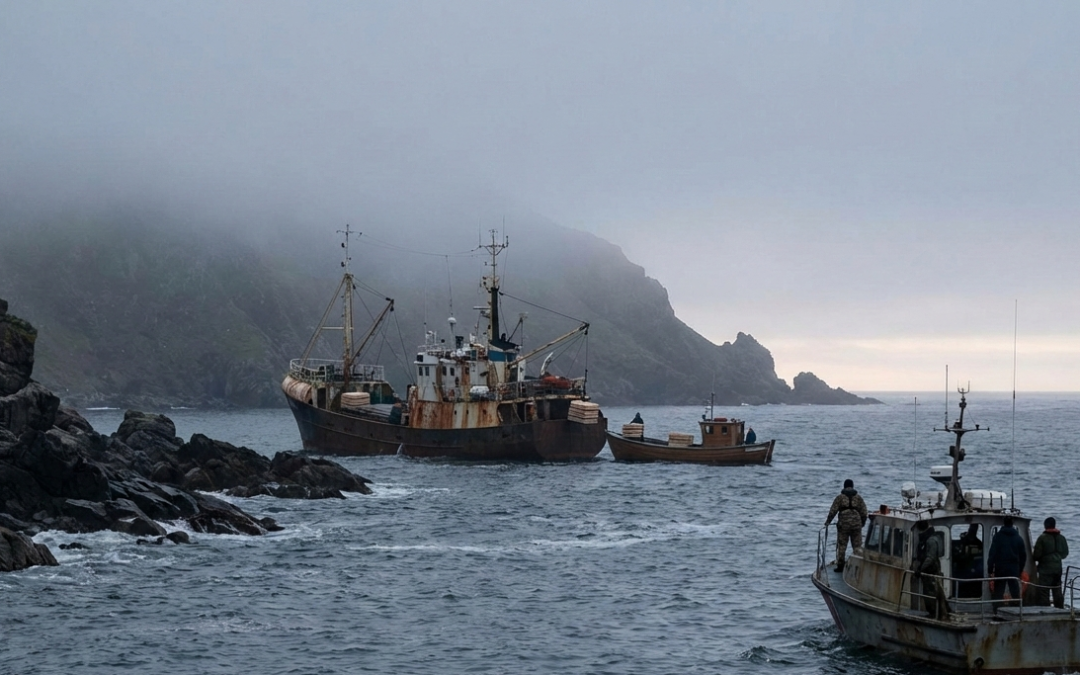
The illegal seafood trade represents one of the most significant environmental and economic crimes occurring in our oceans today. Often referred to as pirate fishing or illegal, unreported, and unregulated (IUU) fishing, this criminal enterprise undermines marine conservation efforts, devastates fish populations, and threatens the livelihoods of legitimate fishing communities worldwide. Understanding the scope and implications of this illicit activity is essential for developing effective countermeasures.
The Scale of Pirate Fishing Operations
Illegal seafood trade operations occur on a staggering scale. Experts estimate that between 11 to 26 million tons of fish are caught illegally each year, representing approximately 10 to 23 percent of global wild capture fisheries. This massive volume of unreported catches bypasses regulatory oversight and contributes to the rapid depletion of marine resources. The financial value of these illegal operations is estimated to exceed $23 billion annually, making it one of the most lucrative criminal enterprises globally.
Key Characteristics of Pirate Fishing
- Lack of Documentation: Illegal catches are not reported to relevant authorities, making monitoring and enforcement difficult
- Regulatory Evasion: Operations deliberately circumvent fishing regulations and international maritime laws
- Transnational Nature: Pirate fishing operations frequently cross international borders, complicating jurisdiction and enforcement
- Advanced Deception: Vessels often employ sophisticated tactics such as flag switching and falsified documentation to evade detection
- Dangerous Practices: Illegal operations frequently utilize destructive fishing methods that damage marine ecosystems
Environmental Impact of Illegal Seafood Trade
The environmental consequences of pirate fishing are profound and far-reaching. Unregulated harvesting leads to overfishing of vulnerable species, including commercially important stocks and endangered marine life. Destructive fishing methods, such as bottom trawling and dynamite fishing, devastate seafloor habitats and coral ecosystems that take decades to recover.
The loss of marine biodiversity directly affects ecosystem stability and resilience. When key species are removed through illegal fishing, the entire food web becomes destabilized, potentially triggering cascading ecological failures. Additionally, the bycatch associated with illegal operations results in the unnecessary death of thousands of non-target species, including marine mammals and seabirds.
Economic and Social Consequences
Pirate fishing operations generate significant economic harm to legitimate industries and coastal communities. The illegal catch represents lost revenue for licensed fisheries and governments that depend on sustainable fishing for economic development. This economic displacement disproportionately affects developing nations whose populations rely heavily on marine resources for food security and employment.
Impact on Fishing Communities
- Reduced fish stocks diminish catches for legitimate fishermen
- Declining revenues threaten the viability of family fishing operations
- Loss of employment opportunities in coastal regions dependent on fisheries
- Food insecurity in communities that rely on fish as primary protein sources
- Increased competition driving down prices for legally caught seafood
Criminal Networks and Organized Crime
Illegal seafood trade is frequently controlled by organized crime syndicates that operate with sophisticated infrastructure and financial resources. These networks exploit weak governance, corruption, and inadequate enforcement capacity in developing regions. They often employ transnational logistics networks to launder illegally caught seafood through legitimate supply chains, making it virtually impossible for consumers to distinguish between legal and illegal products.
The connections between pirate fishing and other transnational crimes are well-documented. Criminal organizations involved in illegal seafood trade frequently engage in human trafficking, money laundering, and weapons smuggling. The unregulated nature of operations provides ideal cover for these broader criminal activities.
Detection and Enforcement Challenges
Combating illegal seafood trade presents substantial enforcement challenges. The vastness of ocean territories makes comprehensive monitoring difficult and resource-intensive. Many coastal nations lack the technological infrastructure and financial resources necessary for effective maritime surveillance and enforcement operations.
Key Enforcement Obstacles
- Geographic Challenges: Vast maritime areas are difficult to monitor effectively
- Resource Limitations: Many nations lack funding for adequate patrol vessels and surveillance systems
- Corruption: Port officials and enforcement personnel may be compromised by criminal organizations
- Flag State Responsibility: Ships registered under flags of convenience often lack genuine oversight
- Supply Chain Complexity: Illegally caught fish are difficult to trace through global distribution networks
- International Coordination: Effective enforcement requires cooperation between nations with varying priorities and capabilities
International Response and Regulations
The international community has developed several frameworks to combat illegal seafood trade. The Food and Agriculture Organization (FAO) Agreement on Port State Measures to Prevent, Deter and Eliminate Illegal, Unreported and Unregulated Fishing (PSMA) represents a significant step forward, establishing protocols for inspecting foreign vessels in port and preventing the landing of illegally caught fish.
Regional fisheries management organizations (RFMOs) also play a crucial role in establishing catch limits and monitoring compliance. However, the effectiveness of these mechanisms depends on member state commitment to enforcement and the adequate allocation of resources.
Technology and Innovation Solutions
Emerging technologies offer promising opportunities for combating pirate fishing. Satellite tracking systems, automatic identification systems (AIS), and vessel monitoring systems (VMS) enable authorities to track fishing vessels in real time and identify suspicious activities. Blockchain technology is being explored to create transparent supply chains that allow consumers and retailers to verify the legality of seafood products.
Advanced data analytics and artificial intelligence can help authorities identify patterns indicative of illegal fishing operations and predict high-risk areas requiring enhanced enforcement efforts.