As global seafood supply chains face growing geopolitical tensions, trade policy shifts, and logistical disruptions, the industry is witnessing a significant shift toward regionalization. Traditional long-distance, centralized supply networks, once optimized purely for cost efficiency, are giving way to regional seafood hubs that enhance resilience, reduce risks, and better align with evolving trade realities. This transformation reflects a broader reconfiguration of the seafood sector, where strategic geography, localized infrastructure, and regional cooperation are increasingly central to competitiveness and sustainability.
Fragmentation of Global Seafood Supply Chains
For decades, seafood supply chains were built on a global model: raw materials sourced in one region, processed in another, and shipped across oceans to consumer markets. This system depended on predictable tariffs, stable transportation, and uninterrupted international trade. However, recent disruptions stemming from trade disputes, tariffs, and pandemic aftermaths have exposed vulnerabilities in this global structure, prompting industry leaders to rethink supply chain design and logistics strategies.
Emergence of Regional Seafood Hubs
Geographic diversification and strategic positioning are becoming central strategies in the evolving seafood trade landscape. As supply chains fragment, regional seafood hubs are emerging in locations that can serve localized or intra-regional demand more effectively than distant, centralized facilities. These hubs integrate processing, value addition, certification, and distribution services tailored to regional market needs. In parts of Southeast Asia, exporters are developing clustered processing and export centers that can respond more quickly to shifting demand patterns and regulatory requirements. Meanwhile, regions such as Sabah in Malaysia are actively strengthening their role as seafood export hubs by expanding processing capacity and upgrading certifications to attract global trade partners.
Why Regional Hubs Are Gaining Traction
Resilience Against Global Disruptions
Global supply chains are increasingly susceptible to external shocks like tariff changes, port congestion, and geopolitical realignments. Rabobank and industry analysts suggest that longstanding models of centralized production are unlikely to simply revert, as persistent trade uncertainties are reshaping how seafood flows across the world. Regional seafood hubs reduce exposure to these risks by shortening supply routes, lowering dependency on long-haul logistics, and enabling faster, more predictable service levels within contiguous markets.
Localized Traceability and Compliance
Consumers and regulators are demanding higher transparency around seafood sourcing and sustainability. Regional hubs make it easier to implement and manage traceability systems that comply with stringent food-safety and sustainability regulations, while also accommodating regional certification standards, strengthening supply chain credibility and customer trust.
Strategic Advantages of Regionalization
Shorter shipping distances and simplified border processes are playing a key role in delivering lower operational costs and faster turnaround times across regional seafood supply hubs. By reducing transit durations and logistical bottlenecks, suppliers can move products more efficiently while cutting fuel, storage, and handling expenses. These efficiencies improve inventory reliability and help maintain product quality, enabling exporters and distributors to offer more competitive pricing and noticeably fresher seafood in destination markets, a critical advantage in the highly time-sensitive and perishable seafood sector. This shift reflects broader global supply chain trends that increasingly prioritize localized and diversified networks over long-distance, single-source models. Regionalization enhances responsiveness to market demand, reduces exposure to cross-border disruptions, and strengthens overall supply chain resilience.
Challenges Facing Regional Seafood Hubs
Developing strong regional hubs requires significant improvements in infrastructure and long-term investment. These hubs rely on essential facilities such as modern seafood processing plants, dependable cold-chain logistics, proper storage systems, and recognized quality certification processes to function efficiently. While regional hubs can make supply chains more resilient and reduce dependence on distant suppliers, building and maintaining this infrastructure is costly and complex. Without coordinated funding, supportive policies, and effective public–private partnerships, regional hubs may find it difficult to compete with the scale, efficiency, and global networks of well-established international supply chains
Policy and Industry Alignment
Enabling Frameworks
Government policies that support regional export facilitation, improved customs integration, and standards harmonization can accelerate the development of seafood hubs. Strengthening transport links between coastal production zones and inland markets further enhances the efficiency of regional networks.
For example, recent efforts to designate export hubs at district or state levels, such as initiatives in parts of India, aim to strengthen local seafood economies by improving logistics, warehousing, and export readiness.
Economic and Environmental Impacts
Local Growth and Global Relevance
Regional seafood hubs can stimulate local economies by creating jobs in processing, logistics, quality assurance, and value-added production. They can also spur technology adoption, training, and industry clustering, building competitive capacity that aligns with both local needs and global demand patterns. From an environmental perspective, shortened supply routes and localized processing reduce carbon emissions and foster more controllable, sustainable production rhythms.
Conclusion
The fragmentation of global seafood supply chains is not a setback; it is a catalyst for transformation. Regional seafood hubs are becoming strategic centers of resilience, flexibility, and market responsiveness. By rebalancing supply networks closer to consumption regions and investing in infrastructure that supports localized value chains, the seafood industry is navigating uncertainty while laying the groundwork for a more robust, diversified future.
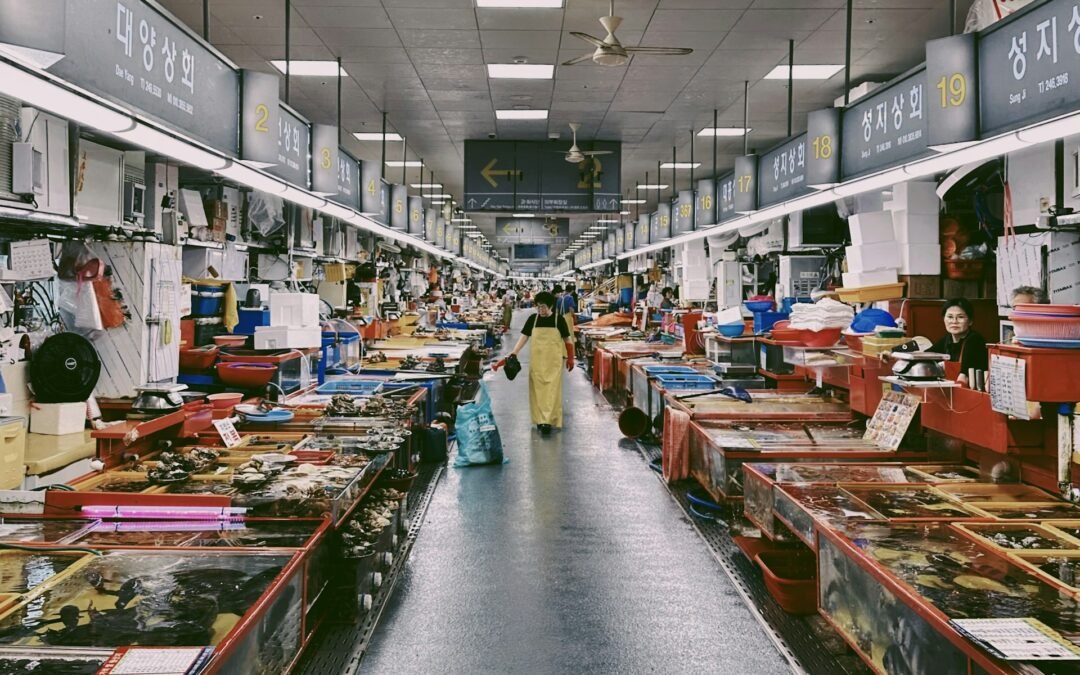
Photo by Frank Zhang on Unsplash