Exploring Diverse Career Opportunities in the Seafood Industry
The seafood industry represents one of the most dynamic and economically significant sectors in the global economy, employing millions of professionals across numerous disciplines. While many people associate seafood careers exclusively with fishing vessels and deckhand positions, the reality is far more comprehensive and diverse. Modern seafood industry careers span multiple sectors, requiring varied skill sets and educational backgrounds.
Processing and Manufacturing Roles
Seafood processing facilities represent a substantial employment hub within the industry. These operations require skilled workers in quality control, food safety management, and production supervision. Quality assurance specialists ensure that products meet stringent safety standards and regulatory requirements, while production managers oversee workflow efficiency and staff coordination. Processing technicians operate specialized equipment designed to clean, fillet, package, and preserve seafood products for distribution.
Food scientists and researchers work within processing plants to develop innovative preservation methods, improve product consistency, and create new seafood-based products that appeal to evolving consumer preferences. These positions typically require technical certifications or specialized training in food science and safety protocols.
Aquaculture and Farm Management
As wild-catch sustainability becomes increasingly important, aquaculture—the farming of fish and shellfish—has emerged as a rapidly growing sector. Aquaculture specialists manage fish farms, monitoring water quality, fish health, and feeding schedules. Hatchery technicians oversee breeding programs and early-stage fish development, while farm managers handle operational logistics and regulatory compliance.
Environmental specialists in aquaculture work to minimize ecological impact and ensure sustainable farming practices. These professionals conduct water quality testing, disease monitoring, and environmental assessments to maintain healthy aquatic ecosystems while maximizing productivity.
Sales, Distribution, and Logistics
The pathway from ocean to consumer requires extensive sales, distribution, and logistics expertise. Seafood sales representatives build relationships with restaurants, retailers, and food service providers, promoting products and negotiating contracts. Supply chain managers coordinate transportation, storage, and inventory management across regional and international networks.
Warehouse supervisors and logistics coordinators ensure efficient handling of perishable products, maintaining cold chain integrity throughout distribution channels. These roles demand strong organizational skills and knowledge of food safety regulations governing temperature-controlled transportation and storage.
Regulatory Compliance and Food Safety
Regulatory compliance specialists ensure that seafood businesses adhere to local, national, and international food safety standards. These professionals maintain documentation, conduct internal audits, and coordinate with government agencies to verify compliance with health codes and labeling requirements. Food safety auditors evaluate facilities and practices, identifying areas for improvement and implementing corrective measures.
This sector has expanded significantly due to increasing consumer awareness and stringent regulatory frameworks governing seafood handling and distribution. Professionals in these roles must maintain current knowledge of evolving regulations and industry best practices.
Research and Development
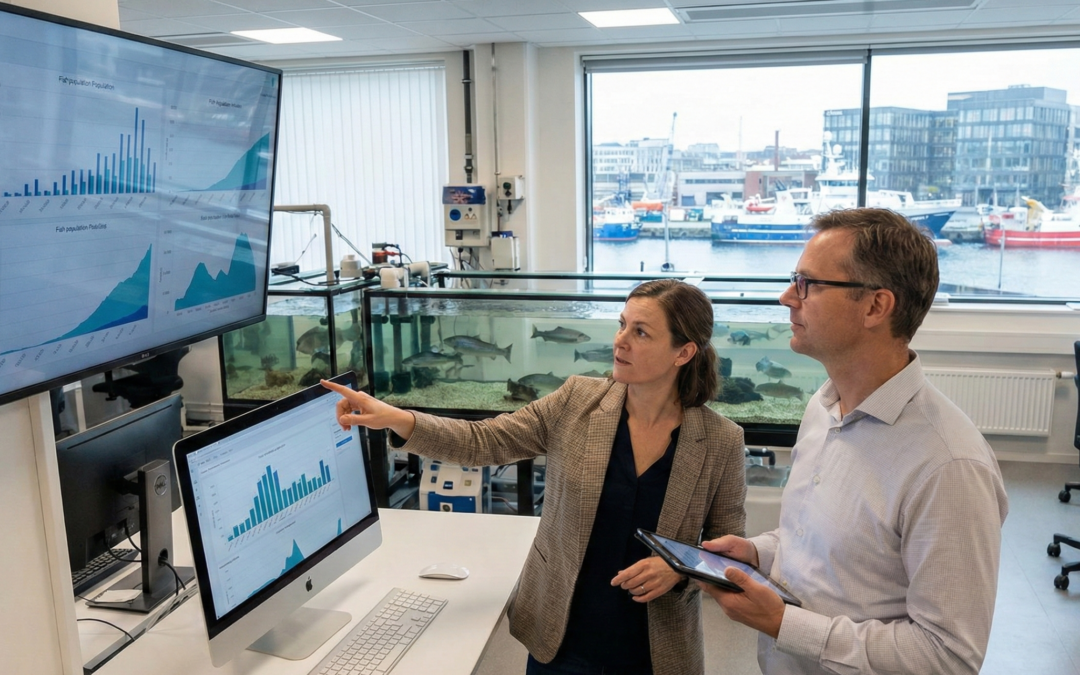
The seafood industry benefits from ongoing research initiatives focused on sustainability, product innovation, and environmental stewardship. Marine biologists conduct population studies and ecosystem assessments to inform sustainable fishing practices. Nutritionists and dietary researchers explore the health benefits of seafood products and develop marketing strategies based on scientific findings.
Product development specialists create new seafood offerings that meet market demands while maintaining quality and profitability. These professionals collaborate with marketing teams, food scientists, and production facilities to bring innovations from concept to market.
Marketing and Business Development
Marketing professionals within the seafood industry develop brand strategies, manage digital platforms, and create promotional campaigns that educate consumers about product quality and sustainability practices. Business development specialists identify market opportunities, forge partnerships, and expand distribution channels.
Public relations specialists address environmental concerns, communicate sustainability initiatives, and build positive industry relationships. These roles require strong communication skills and comprehensive understanding of both industry operations and consumer preferences.
Equipment and Technology Services
Specialized technicians maintain and repair equipment used throughout seafood operations, from fishing vessel machinery to processing plant automation systems. Sales engineers represent equipment manufacturers, helping facilities select appropriate technology solutions for their operational needs. Software developers create management systems for inventory tracking, quality assurance, and compliance documentation.
Training and Education
Educational institutions and industry organizations employ instructors who develop and deliver training programs for seafood industry professionals. Curriculum developers design courses covering safety protocols, equipment operation, and regulatory compliance. Career counselors help individuals identify suitable positions and develop professional pathways within the industry.
Sustainability and Environmental Management
Environmental managers develop sustainability strategies that balance commercial objectives with ecological stewardship. Conservation specialists work to protect marine ecosystems and promote responsible fishing practices. These professionals often collaborate with government agencies, non-profit organizations, and industry stakeholders to establish best practices and achieve environmental goals.
Administrative and Support Functions
Like any major industry, seafood enterprises require human resources professionals, financial managers, administrative assistants, and customer service representatives. These roles provide essential operational support that enables fishing operations, processing facilities, and distribution networks to function effectively. Human resources specialists recruit talent, manage employee relations, and develop workplace policies suited to the industry’s unique demands.
Career Pathways and Advancement Opportunities
The seafood industry offers multiple career progression pathways. Entry-level positions in processing, distribution, or administrative functions can lead to supervisory and management roles. Technical certifications in food safety, aquaculture, or equipment operation enhance earning potential and career advancement prospects.
Many professionals begin in one seafood sector and transition to others, building diverse experience that increases their market value. Continuing education and professional certifications demonstrate commitment to industry standards and open doors to specialized positions requiring advanced expertise.
Education and Training Requirements
Career requirements vary significantly across seafood industry positions. Some roles require only high school diplomas supplemented by on-the-job training, while specialized positions demand associate degrees, bachelor’s degrees, or professional certifications. Food safety certifications, such as HACCP and ServSafe, are increasingly required for quality assurance and management positions.
Vocational schools, community colleges, and universities offer programs specifically designed for seafood industry careers, covering topics from fish biology to food processing technology and business management.