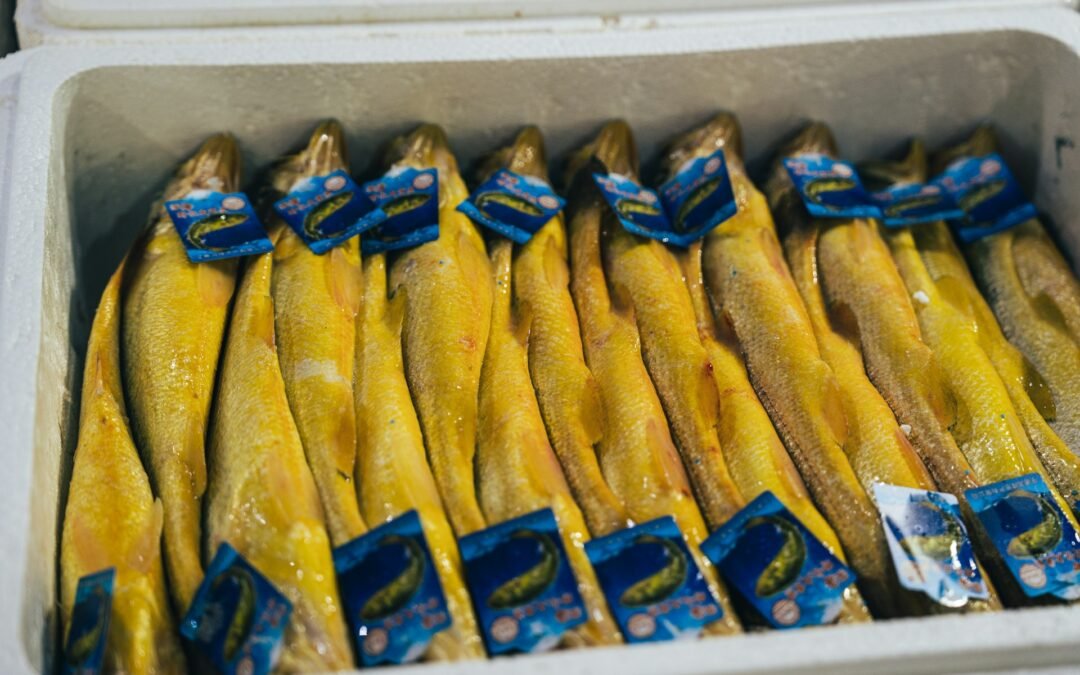
The rapid growth of e-commerce in the seafood sector is transforming more than just how fish is sold; it is fundamentally reshaping how seafood is packaged, preserved, and delivered. As online seafood sales expand across retail and direct-to-consumer channels, packaging innovation and shelf-life management have become mission-critical. In 2026, seafood packaging is no longer designed solely for cold storage and retail display; it is engineered for long-distance, data-driven logistics. Advanced materials, temperature-controlled packaging, and vacuum-sealed or modified-atmosphere solutions are extending freshness during transit. Smart packaging with sensors and QR codes is providing real-time data on temperature, humidity, and product quality. These innovations help retailers, distributors, and consumers track freshness, reduce waste, and ensure safe, high-quality seafood reaches the table.
The Shift From Display to Durability
Traditional seafood packaging prioritized visibility and short holding times in physical stores. E-commerce, by contrast, requires packaging that can withstand:
- Extended transit times
- Temperature fluctuations
- Multiple handling points
This shift has accelerated demand for packaging systems that emphasize protection, insulation, and freshness retention over visual appeal.
Advanced Materials and Insulation Technologies
To meet e-commerce requirements, seafood companies are adopting:
- High-performance insulated liners and recyclable thermal boxes
- Phase-change materials and gel packs for precise temperature control
- Lightweight, impact-resistant packaging to reduce shipping damage
These materials help maintain cold chain integrity while minimizing environmental impact and shipping costs.
Modified Atmosphere and Vacuum Packaging
Shelf-life extension technologies are gaining renewed importance in online seafood sales. Modified atmosphere packaging (MAP) and vacuum sealing reduce oxygen exposure, slowing bacterial growth and oxidation.
Key benefits include:
- Longer shelf life without chemical preservatives
- Improved product safety and consistency
- Reduced spoilage and return rates
For e-commerce, extended shelf life translates directly into operational resilience.
Smart Packaging and Real-Time Monitoring
Digital packaging innovations are becoming increasingly common. Smart labels and sensors can now:
- Monitor temperature and freshness in real time
- Provide traceability data throughout transit
- Alert suppliers and consumers to potential quality issues
These tools not only protect product integrity but also build consumer trust in online seafood purchases.
Sustainability Pressures and Packaging Redesign
E-commerce has increased packaging volume, prompting scrutiny from regulators and consumers alike. In response, the industry is investing in:
- Recyclable and compostable packaging materials
- Reduced plastic usage and mono-material designs
- Packaging optimization to minimize waste per shipment
Balancing durability with sustainability remains one of the sector’s biggest challenges.
Operational and Cost Implications
Enhanced packaging solutions come at a cost. However, improved shelf life and reduced spoilage can offset expenses by:
Lowering product loss
- Reducing customer complaints and refunds
- Expanding geographic delivery ranges
- For many seafood businesses, packaging innovation is now a competitive differentiator.
The Bottom Line
E-commerce is redefining seafood packaging from a passive container into an active preservation system. Innovations in materials, shelf-life extension, and smart monitoring are enabling seafood to travel farther, last longer, and arrive fresher. As online seafood sales continue to grow, packaging will remain a central lever for quality, sustainability, and profitability in the digital seafood economy. Companies are increasingly investing in recyclable and biodegradable packaging to meet consumer demand for sustainability. Data-driven insights from smart packaging are helping suppliers optimize logistics and reduce spoilage. Ultimately, effective packaging is becoming a competitive advantage in the fast-evolving e-commerce seafood market.