As global demand for seafood continues to rise, aquaculture has become a critical pillar of food production. While large industrial farms dominate volume and global trade, small-scale aquaculture operations remain essential to local economies, food security, and community livelihoods. The key question facing the industry today is whether small-scale producers can remain competitive in a market increasingly shaped by scale, automation, and consolidation. Recent trends suggest that while small-scale aquaculture faces significant challenges, it also holds unique advantages that, when strategically leveraged, can support long-term viability.
The Competitive Landscape of Modern Aquaculture
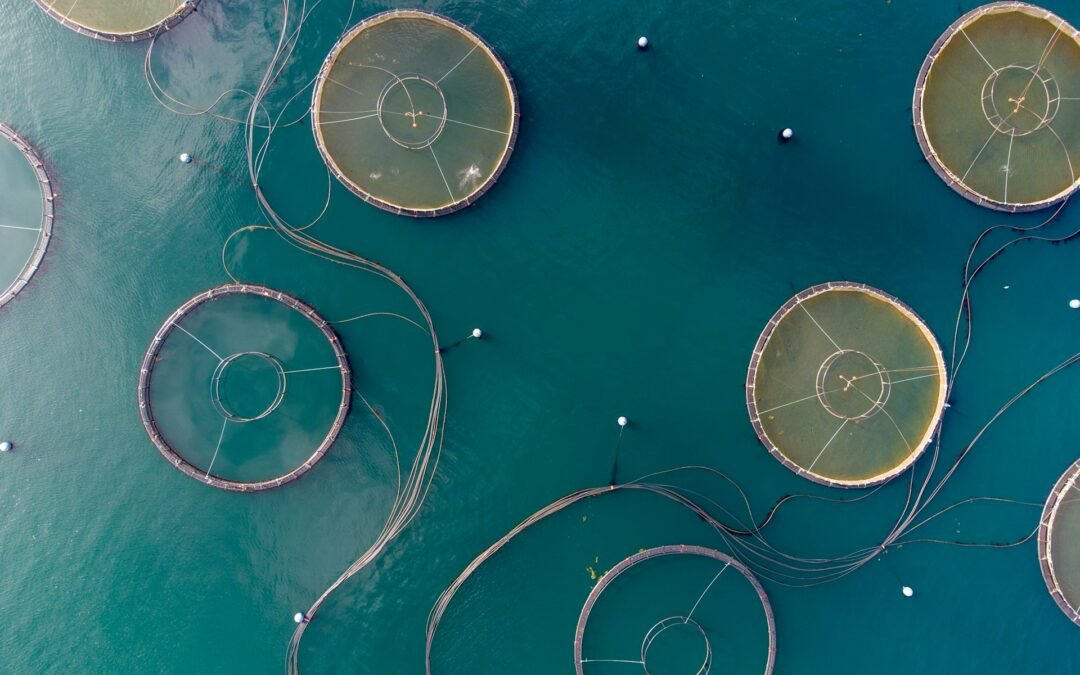
Industrial aquaculture operations benefit from economies of scale, centralized infrastructure, and access to capital. These advantages allow large producers to optimize feed efficiency, automate monitoring, and negotiate favorable supply and distribution contracts. Small-scale farms, by contrast, often operate with limited resources, higher per-unit costs, and reduced market access, placing them at a structural disadvantage in commodity-driven markets.
Cost Pressures and Operational Constraints
The Scale Efficiency Gap
Feed, energy, labor, and biosecurity investments account for a significant share of aquaculture costs. Industrial farms spread these expenses across large volumes, while small producers absorb them on much smaller outputs. This cost imbalance makes it difficult for small-scale aquaculture to compete on price alone, particularly in export-oriented or highly standardized markets.
Where Small-Scale Aquaculture Holds an Edge
Quality, Flexibility, and Local Identity
Despite scale limitations, small-scale aquaculture excels in areas where industrial systems struggle. Many small producers focus on premium species, artisanal methods, or low-density farming that emphasizes quality, freshness, and animal welfare. Their ability to adapt quickly to changing conditions, customize production, and respond directly to local market demand creates opportunities outside mass-market competition.
Sustainability As a Differentiator
Environmental Stewardship and Social Value
Small-scale farms often operate with lower environmental intensity, integrating polyculture, recirculating systems, or ecosystem-based approaches. These practices appeal to consumers seeking sustainable and locally produced seafood. In addition, small-scale aquaculture supports rural livelihoods and regional food systems an increasingly important consideration for policymakers and buyers.
Market Access and Branding Challenges
From Production to Consumer
One of the biggest hurdles for small-scale producers is market access. Limited processing capacity, distribution networks, and branding resources constrain their reach. However, direct-to-consumer sales, local partnerships, and digital marketplaces are beginning to narrow this gap, enabling small farms to capture more value per unit produced.
Technology Adoption at a Manageable Scale
Right-Sized Innovation
While industrial farms deploy large-scale automation, small-scale producers are adopting cost-effective technologies such as water quality sensors, mobile farm management apps, and low-cost biosecurity tools. These targeted innovations improve the efficiency and disease management without requiring industrial-level investment.
Policy, Finance, and Institutional Support
Creating a Level Playing Field
Public policy plays a critical role in determining competitiveness. Access to financing, technical training, infrastructure, and fair regulatory frameworks can significantly improve outcomes for small-scale aquaculture. Regions that recognize the social and environmental value of small producers are increasingly integrating them into national seafood strategies.
Short-Term and Long-Term Strategies
Competing Differently, Not Directly
- Short-Term Focus: Niche markets, premium pricing, and local distribution
- Mid-Term Strategy: Cooperative models, shared processing, and branding alliances
- Long-Term Vision: Integration into sustainable food systems and climate-resilient production
Rather than competing head-to-head with industrial farms, small-scale aquaculture thrives by redefining the terms of competition.
Economic and Social Impact
Beyond Production Volume
Small-scale aquaculture contributes to economic diversity, food sovereignty, and community resilience. While industrial farms dominate global supply, small producers strengthen local systems and reduce dependency on long supply chains. Their success is measured not only in output but also in stability and sustainability.
Conclusion
Small-scale aquaculture can compete with industrial farms, but not by replicating industrial models. By focusing on quality, sustainability, local markets, and adaptive innovation, small producers can carve out resilient and profitable positions within the broader seafood industry. The future of aquaculture is not exclusively industrial; it is diverse, decentralized, and increasingly value-driven. By leveraging niche species, eco-friendly practices, and direct-to-consumer sales, small-scale farmers can differentiate themselves from mass producers. Technological tools such as smart feeding, data monitoring, and cooperative marketing further level the playing field. As consumer demand shifts toward traceable, responsibly farmed seafood, small-scale aquaculture is well-positioned to thrive alongside industrial operations.
Photo by Bob Brewer on Unsplash