Sushi-grade fish represents the highest quality seafood available for raw consumption. Unlike regular fish sold at standard grocery stores, sushi-grade salmon undergoes rigorous inspection, handling, and freezing protocols to eliminate parasites and ensure food safety. Professional chefs and sushi restaurants maintain strict standards when sourcing their ingredients, as the quality of raw fish directly impacts the final dish’s taste, texture, and safety profile.
The term “sushi grade” is not officially regulated by the FDA, making it essential for chefs to work with reputable suppliers who follow industry best practices. The primary requirement involves freezing fish at -4°F (-20°C) for seven days or -31°F (-35°C) for fifteen hours to neutralize parasites that may be present in raw fish.
Where Professional Chefs Source Sushi Grade Salmon
Specialized Seafood Suppliers
Local professional chefs predominantly source sushi grade salmon from specialized seafood distributors rather than conventional grocery stores. These suppliers maintain dedicated relationships with fishing operations and processing facilities that prioritize quality control. Specialized distributors provide detailed documentation regarding fish origin, catch date, and handling procedures—information crucial for sushi restaurants maintaining their reputation and customer trust.
Direct Fish Markets and Fishmongers
Established fish markets in urban areas serve as primary sources for sushi-grade salmon. These establishments employ experienced fishmongers with extensive knowledge about seasonal availability, optimal quality indicators, and proper storage techniques. Direct relationships with local markets allow chefs to:
- Inspect fish before purchasing
- Discuss sourcing and handling procedures
- Negotiate pricing for bulk orders
- Receive recommendations for daily specials
- Build long-term supply relationships
Wholesale Seafood Distributors
Larger sushi establishments frequently partner with wholesale seafood distributors that serve restaurant communities. These distributors offer consistent quality, competitive pricing, and reliable delivery schedules. They maintain temperature-controlled transportation and storage facilities specifically designed for sushi-grade products, ensuring optimal conditions throughout the supply chain.
Quality Indicators for Sushi Grade Salmon
Professional chefs evaluate sushi-grade salmon using several key quality indicators before making purchasing decisions:
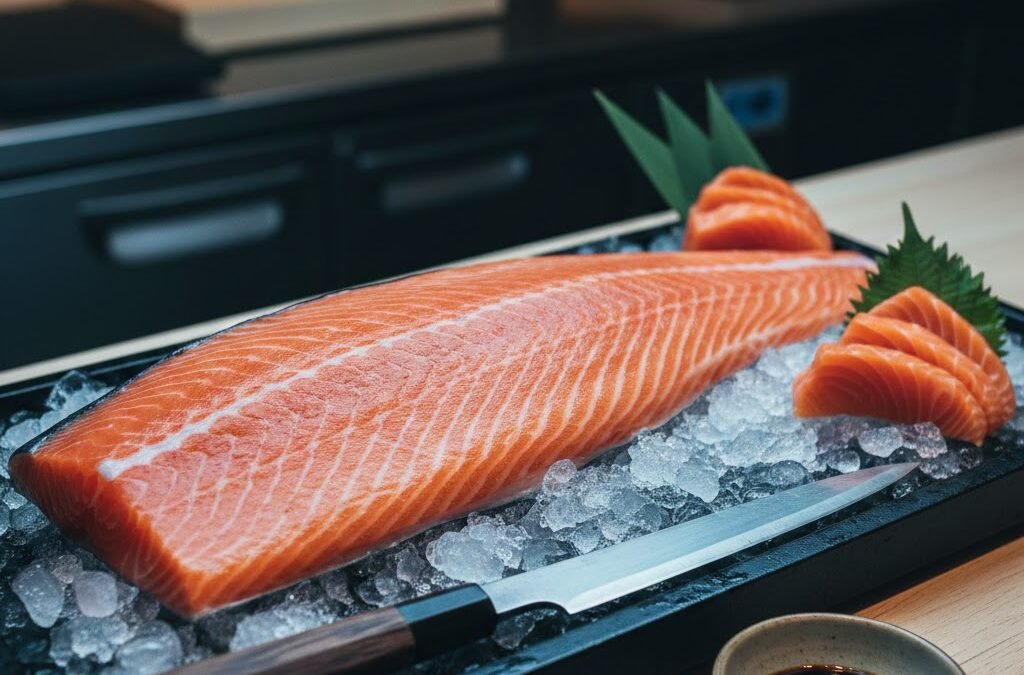
- Appearance: Bright, translucent flesh with a deep salmon-pink color indicates freshness
- Texture: Firm flesh that springs back when pressed suggests proper handling
- Smell: Ocean-fresh aroma without fishy or ammonia odors denotes quality
- Fat Content: Visible marbling indicates superior flavor and texture
- Origin Documentation: Traceable sourcing with catch dates ensures safety protocols were followed
Sourcing Considerations and Best Practices
Chefs prioritize several factors when establishing sushi grade salmon suppliers. Consistency remains paramount, as restaurants must reliably deliver the same quality experience to customers night after night. Temperature maintenance throughout transport and storage prevents degradation and maintains the delicate flavor profile essential to premium sushi.
Cost-effectiveness represents another consideration, though quality never compromises in the pursuit of value. Professional chefs understand that premium sushi grade salmon commands higher prices, reflecting the specialized handling, testing, and freezing procedures required. Attempting to cut costs with lower quality fish inevitably damages reputation and customer satisfaction.
Sustainability also influences sourcing decisions among conscientious chefs. Many restaurants prioritize suppliers demonstrating commitment to responsible fishing practices and environmental stewardship. This consideration appeals to increasingly eco-conscious diners while supporting ocean conservation efforts.
Building Supplier Relationships
Successful sushi establishments cultivate strong relationships with their salmon suppliers. Regular communication ensures consistent quality, allows chefs to request specific cuts or sizes, and facilitates priority access during peak seasons when premium fish becomes scarce. These partnerships often develop into mutually beneficial arrangements where suppliers understand the restaurant’s specific needs and standards.
Chefs frequently visit suppliers in person to maintain these relationships and personally verify product quality. Such direct engagement demonstrates commitment to excellence and provides opportunities to discuss seasonal variations, new products, and supply chain innovations.
Conclusion
Local chefs source sushi grade salmon through specialized seafood suppliers, established fish markets, and professional wholesale distributors rather than conventional retail channels. Success in sushi preparation depends entirely on access to impeccably handled, properly frozen, and expertly evaluated salmon. By maintaining rigorous standards and cultivating strong supplier relationships, professional chefs ensure their customers enjoy the exceptional quality and safety that define true sushi grade excellence.