The fishing industry stands at the threshold of a technological revolution. Autonomous boats equipped with artificial intelligence represent a transformative shift in how humanity harvests marine resources. These sophisticated vessels combine cutting-edge AI algorithms, advanced sensor technology, and real-time data processing to optimize fishing operations while addressing sustainability concerns and operational efficiency challenges that have plagued traditional fleets for decades.
How AI Technology Enhances Autonomous Fishing Operations
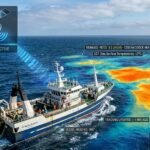
Artificial intelligence serves as the cognitive backbone of autonomous fishing vessels. Machine learning algorithms analyze vast datasets comprising oceanographic conditions, fish migration patterns, historical catch data, and environmental factors to predict optimal fishing locations with unprecedented accuracy. This data-driven approach enables vessels to navigate toward productive waters autonomously, significantly reducing fuel consumption and operational costs.
Advanced computer vision systems integrated into autonomous boats identify fish species, assess population densities, and monitor ecosystem health in real-time. These systems process visual information from underwater cameras and sonar arrays, allowing the vessel’s AI to make intelligent decisions about whether to deploy nets, relocate, or refrain from fishing to maintain sustainable stock levels.
Key Benefits of Autonomous Fishing Vessels
- Operational Efficiency: Autonomous boats operate continuously without fatigue, maximizing catch efficiency while minimizing human resource requirements and associated labor costs.
- Safety Improvements: By removing human operators from hazardous marine environments, autonomous vessels substantially reduce workplace injuries and fatalities that commonly occur in traditional fishing operations.
- Environmental Sustainability: AI algorithms enforce fishing regulations in real-time, prevent illegal practices, and protect vulnerable species through automated compliance monitoring and selective harvesting protocols.
- Cost Reduction: Decreased labor expenses, optimized fuel consumption, and reduced waste from bycatch contribute to significantly lower operational costs and improved profit margins.
- Data-Driven Decision Making: Continuous data collection enables fleet managers to make informed strategic decisions based on comprehensive analytics rather than intuition or limited observations.
- Weather Responsiveness: AI systems process meteorological data to navigate safely around adverse conditions and optimize routes for both safety and efficiency.
Technological Components of Autonomous Fishing Vessels
Modern autonomous fishing boats integrate several sophisticated technological systems working in concert. GPS and satellite navigation systems provide precise positioning, while LiDAR and radar sensors enable obstacle detection and collision avoidance. Sonar arrays map ocean floors and identify fish schools with remarkable accuracy.
The central AI control system synthesizes data from all sensors and external sources, including weather services and regulatory databases. This unified intelligence platform makes autonomous decisions regarding vessel movement, fishing operations, and safety protocols. Communication systems maintain constant contact with shore-based control centers, enabling human oversight and intervention when necessary.
Current Applications and Industry Adoption
Progressive fishing companies worldwide have begun deploying autonomous vessels in commercial operations. These early deployments demonstrate the viability of AI-powered fleets in real-world conditions. Companies report remarkable improvements in catch consistency, operational costs, and compliance with environmental regulations.
Certain regions with strict sustainability mandates have become innovation hubs for autonomous fishing technology. Regulatory frameworks in these areas incentivize the adoption of technologies that demonstrate superior environmental stewardship and resource management.
Regulatory Landscape and Compliance Challenges
The integration of autonomous vessels into existing maritime frameworks presents regulatory complexities. International maritime law, national fishing regulations, and environmental protection standards must accommodate autonomous operations while maintaining safety and sustainability standards.
Regulatory bodies are actively developing frameworks governing autonomous vessel operations. These emerging standards address liability concerns, safety protocols, environmental impact assessment, and crew certification requirements. Progressive jurisdictions collaborate with technology developers to establish sensible regulations that encourage innovation while protecting marine ecosystems and human interests.
Addressing Environmental and Sustainability Concerns
Environmental protection represents a primary advantage of AI-powered fishing fleets. Automated systems enforce marine protected areas with perfect consistency, preventing illegal fishing in designated conservation zones. AI algorithms can identify endangered species and dynamically adjust fishing parameters to minimize bycatch and ecosystem disruption.
The precision of autonomous fishing reduces waste significantly. Traditional methods often catch non-target species or immature fish that must be discarded. AI-guided selective harvesting targets mature specimens of desired species, improving both sustainability metrics and product quality.
Economic Impact and Industry Transformation
The transition to autonomous fishing fleets will fundamentally restructure the commercial fishing industry. While workforce displacement presents legitimate concerns, the technology creates opportunities in vessel maintenance, AI system management, data analysis, and regulatory compliance roles.
Reduced operational costs translate to more competitive pricing for consumers while improving profitability for fleet operators. This economic efficiency could reduce pressure to overfish marginal stocks, indirectly benefiting long-term industry sustainability.
Future Developments and Emerging Capabilities
Ongoing research continues to expand autonomous fishing vessel capabilities. Advanced predictive models incorporating climate change data promise improved long-term fishing forecasting. Integration with blockchain technology could establish transparent, verifiable supply chains from autonomous vessels to consumers.
Emerging neural networks show promise in identifying individual fish and tracking population dynamics at unprecedented levels of detail. These capabilities will enable even more sophisticated management strategies that balance human economic interests with marine ecosystem preservation.
Challenges and Implementation Barriers
Despite significant advantages, autonomous fishing fleets face substantial implementation challenges. High initial capital investment requirements limit adoption to larger commercial operators. Technical reliability concerns persist, particularly regarding system performance in extreme weather conditions or when facing unexpected situations.
Public perception challenges remain significant in many regions where fishing represents important cultural traditions and livelihoods. Building social consensus around autonomous vessels requires transparent communication about their benefits and careful consideration of affected communities’ concerns.
Conclusion: Navigating the Future of Commercial Fishing
AI-powered autonomous fishing vessels represent a significant technological advancement with profound implications for commercial fishing, marine conservation, and food security. These sophisticated systems offer compelling benefits including improved sustainability, enhanced safety, and reduced operational costs. While regulatory frameworks and implementation challenges require careful navigation, the trajectory toward autonomous fishing fleets appears inevitable.