Understanding the Blue Economy
The blue economy represents a paradigm shift in how societies approach resource management and economic development. It encompasses all economic activities derived from oceans, seas, and coastal areas, including traditional sectors such as fishing and shipping, as well as emerging industries like marine biotechnology and offshore renewable energy. This sustainable approach to ocean utilization recognizes the intrinsic value of marine ecosystems while creating substantial economic opportunities for nations worldwide.
Market Size and Growth Projections
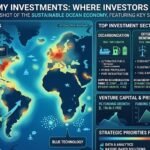
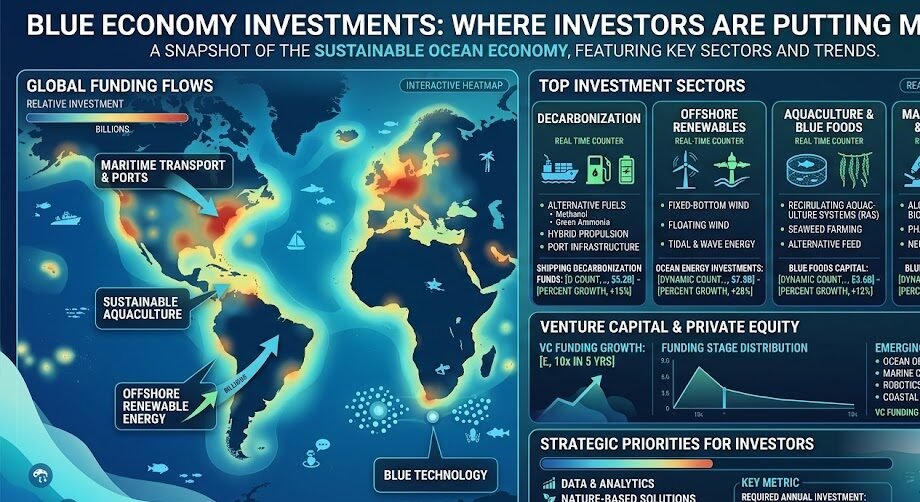
The global ocean economy is experiencing remarkable expansion. Current valuations place the blue economy at approximately $1.5 trillion annually, with projections indicating growth to $3 trillion by 2030. This expansion is driven by increasing demand for seafood, renewable energy solutions, and innovative marine-based products. Developing nations, particularly those with extensive coastlines, are positioned to capture significant portions of this emerging market through strategic investments and policy reforms.
Key Investment Sectors
Sustainable Fisheries and Aquaculture
Marine protein production remains fundamental to the blue economy. Sustainable aquaculture operations are attracting substantial capital as global seafood demand continues to rise. Technological innovations in fish farming, including land-based recirculating systems and integrated multi-trophic aquaculture, offer investors lower-risk, higher-yield opportunities while maintaining environmental stewardship.
Offshore Renewable Energy
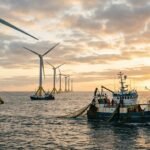
Wind and tidal energy installations represent the fastest-growing sector within blue economy investments. Offshore wind farms generate significantly higher energy outputs than terrestrial counterparts, with capacity factors exceeding 40 percent. Investment in this sector reached $25 billion in 2021 and continues accelerating as countries pursue decarbonization targets and energy independence objectives.
Marine Biotechnology
Ocean-derived compounds show tremendous pharmaceutical and cosmetic potential. Marine organisms produce unique bioactive substances useful for treating cancer, inflammation, and other conditions. This sector attracts venture capital and pharmaceutical investment due to high profit margins and limited market saturation.
Shipping and Logistics
Maritime transportation remains the backbone of global commerce, with approximately 90 percent of international trade moving by sea. Modern port infrastructure improvements, digitalization initiatives, and the transition to alternative fuels create ongoing investment opportunities worth billions annually.
Tourism and Recreation
Coastal tourism generates over $100 billion in annual revenue, with sustainable eco-tourism representing the fastest-expanding subsector. Investments in marine protected areas, luxury eco-lodges, and water-based recreation facilities appeal to both impact investors and traditional financial institutions.
Investment Barriers and Risk Considerations
Despite substantial growth potential, blue economy investments face distinct challenges. Environmental regulations vary significantly across jurisdictions, creating compliance complexity. Climate change impacts, including rising sea levels and changing ocean temperatures, introduce long-term operational uncertainties. Additionally, limited historical data on certain emerging sectors complicates risk assessment and valuation methodologies.
Capital availability remains uneven, with developed nations accessing funding more readily than developing countries despite their greater dependency on ocean resources. This disparity underscores the need for innovative financing mechanisms and international cooperation.
Government Policy and International Frameworks
Supportive government policies prove essential for blue economy development. Countries implementing comprehensive maritime spatial planning, establishing clear regulatory frameworks, and providing investment incentives attract both domestic and foreign capital. International agreements, including the United Nations Sustainable Development Goal 14 focused on ocean conservation, create standardized expectations that facilitate cross-border investment flows.
Emerging Technologies Driving Growth
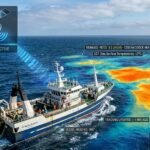
Artificial intelligence, blockchain, and Internet of Things technologies are revolutionizing ocean economy operations. Smart monitoring systems optimize fishing and aquaculture yields while reducing environmental impact. Blockchain applications enhance supply chain transparency in seafood markets, addressing consumer concerns about sustainability. These technological innovations reduce operational costs and improve returns on investment.
Regional Investment Opportunities
Asia-Pacific regions demonstrate particularly robust blue economy growth, accounting for over 40 percent of global ocean-based economic activity. Southeast Asian nations are emerging as aquaculture investment destinations, while Scandinavian countries lead offshore renewable energy development. African coastal nations present untapped opportunities for sustainable fisheries investment, attracting growing institutional interest.
Financial Returns and Impact Metrics
Blue economy investments offer competitive financial returns alongside measurable environmental and social benefits. Sustainable aquaculture operations demonstrate IRRs between 12 and 18 percent, while offshore wind projects generate 8 to 12 percent returns. Beyond financial metrics, investors increasingly value environmental impact measurement, including carbon sequestration rates, biodiversity preservation, and ecosystem health improvements.
Future Outlook and Strategic Recommendations
The blue economy presents a compelling investment thesis combining financial opportunity with global sustainability imperatives. Investors should prioritize diversified exposure across multiple ocean sectors, emphasizing technologies and operations aligned with environmental stewardship principles. Strategic partnerships with governments, local communities, and research institutions enhance project success rates and strengthen license-to-operate dynamics.
As capital markets increasingly incorporate environmental, social, and governance considerations into investment decisions, blue economy assets will likely command premium valuations. Early-stage investors in sustainable ocean-based enterprises position themselves advantageously for long-term wealth creation while contributing meaningfully to ocean conservation and coastal community development objectives.