Understanding the Seaweed Farming Industry
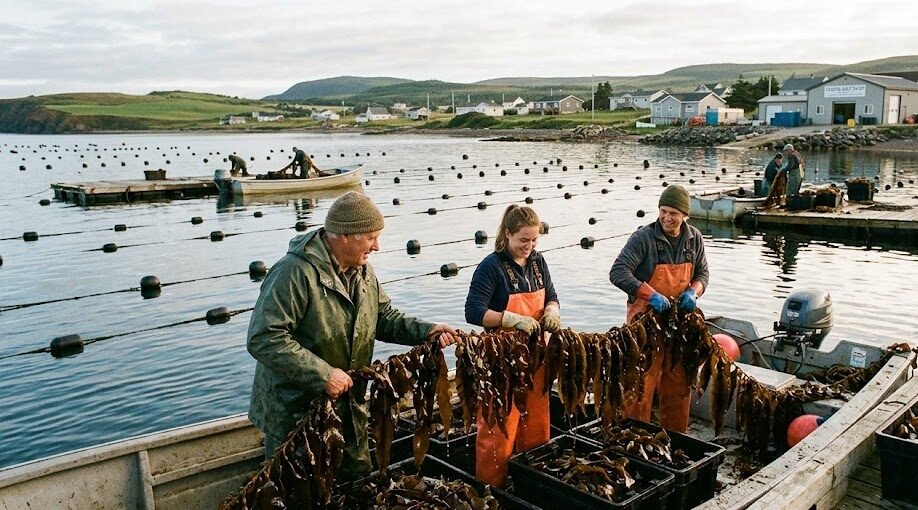
Seaweed farming has emerged as a significant economic opportunity for coastal communities worldwide. This sustainable aquaculture practice involves the cultivation of marine macroalgae in controlled ocean environments, offering both environmental and economic benefits. Unlike traditional fishing practices that deplete natural resources, seaweed farming represents a renewable agricultural approach that harnesses the ocean’s regenerative capacity.
The global seaweed market has experienced remarkable growth over the past decade, with production increasing exponentially to meet rising international demand. This expansion reflects growing consumer awareness of seaweed’s nutritional value and its diverse applications across multiple industries.
Economic Opportunities for Coastal Communities
Seaweed farming provides substantial economic diversification for communities historically dependent on conventional fishing or tourism. The industry creates employment opportunities across the entire value chain, from cultivation and harvesting to processing and distribution. Local entrepreneurs can establish farms with relatively modest initial capital investments compared to other agricultural ventures, making market entry more accessible.
Key economic benefits include:
- Job creation in farming operations, processing facilities, and distribution networks
- Revenue generation from multiple product categories and market segments
- Reduced economic vulnerability through diversified income sources
- Development of secondary industries and related business opportunities
- Increased property values and infrastructure investment in farming regions
Applications and Market Demand
The versatility of seaweed products drives robust market demand across numerous sectors. In the food industry, seaweed serves as a nutritional ingredient and culinary staple, particularly in Asian cuisines. Beyond food applications, seaweed derivatives are essential components in pharmaceutical production, cosmetics manufacturing, and agricultural biofertilizers.
The bioplastics industry represents an emerging market segment, with seaweed-based alternatives gaining traction as sustainable substitutes for petroleum-derived plastics. This diversified demand base ensures stable market conditions and reduces revenue vulnerability for farming communities.
Environmental Benefits and Sustainability
Seaweed farming operates as a net positive environmental practice. Unlike terrestrial agriculture, seaweed cultivation requires no freshwater inputs, no chemical fertilizers, and no pesticides. Farms actively improve water quality by absorbing excess nutrients and carbon dioxide, thereby mitigating coastal eutrophication and contributing to climate change mitigation efforts.
The practice also provides marine ecosystem benefits, including habitat creation and support for local biodiversity. This environmental stewardship enhances community reputation and may qualify farming operations for premium pricing through sustainability certifications.
Infrastructure and Technical Considerations
Successful seaweed farming requires minimal but strategic infrastructure development. Optimal farming locations demand specific oceanographic conditions, including appropriate water temperature, salinity levels, and current patterns. Modern farming techniques utilize rope-based systems, net enclosures, and floating platforms designed to withstand marine conditions while facilitating efficient harvesting.
Technology adoption has streamlined operations significantly, with monitoring systems tracking growth parameters and harvest readiness. Communities investing in training programs and technical expertise development position themselves advantageously in the expanding global market.
Case Studies and Global Success Stories
Indonesia and the Philippines have established themselves as leading seaweed producers, with farming communities generating substantial income through large-scale operations. These regions demonstrate the scalability of seaweed farming and the potential for transformative economic impact. In Europe and North America, emerging farming initiatives signal growing market expansion and technological innovation in temperate regions.
Community-based cooperatives have proven particularly effective at organizing production, negotiating favorable market terms, and reinvesting profits into local development. These organizational models maximize benefits distribution across entire communities rather than concentrating gains among individual operators.
Challenges and Solutions
While promising, seaweed farming faces identifiable challenges that require strategic responses. Climate variability affects growing conditions and harvest yields, necessitating adaptive management practices and diversified farming locations. Market price fluctuations create income uncertainty, manageable through value-added processing and market diversification strategies.
Regulatory frameworks require development in many regions to ensure environmental protection and fair resource allocation. Investment in training and education strengthens workforce capacity and operational efficiency. Government support through subsidies, research funding, and infrastructure development accelerates industry maturation.
Future Outlook and Growth Potential
Industry analysts project substantial growth in seaweed farming through 2030, driven by increasing demand from food, pharmaceutical, and biotechnology sectors. Climate change awareness and sustainability concerns position seaweed farming favorably against resource-intensive alternatives, supporting long-term market expansion.
Emerging technologies including genetic improvement programs and automated harvesting systems promise enhanced productivity and profitability. Integration with other sustainable practices such as integrated multi-trophic aquaculture creates synergistic opportunities for comprehensive ocean farming systems.
Conclusion
Seaweed farming represents a transformative economic opportunity for coastal communities worldwide. By combining economic viability with environmental stewardship, this sustainable practice addresses pressing development challenges while supporting global sustainability objectives. Communities embracing seaweed farming position themselves at the forefront of the blue economy, securing prosperous futures through responsible ocean resource management. Strategic investment in infrastructure, education, and market development will unlock the full potential of this promising agricultural frontier.