Introduction
The global energy landscape is undergoing a significant transformation as nations pursue renewable energy sources to combat climate change and meet growing electricity demands. Floating offshore wind farms represent a promising frontier in sustainable energy generation, offering the potential to harness powerful ocean winds while minimizing land-use conflicts. However, the expansion of these installations into maritime spaces raises important questions about their interaction with established fishing communities and marine ecosystems. Understanding the relationship between floating offshore wind farms and fishing activities is essential for developing policies that balance renewable energy growth with the preservation of traditional fishing livelihoods and marine resources.
The Rise of Floating Offshore Wind Technology
Floating offshore wind farms represent an innovative advancement in renewable energy technology. Unlike fixed-bottom installations that require shallow water, floating platforms can operate in deeper waters, opening vast areas of the ocean for wind energy generation. This technological breakthrough has expanded the geographic possibilities for offshore wind development, allowing countries with deeper continental shelves and stronger wind resources to participate in the renewable energy revolution.
The technology offers several distinct advantages, including access to stronger and more consistent wind resources further from shore, reduced visual impact concerns, and the ability to be deployed in diverse oceanic conditions. As the technology matures and costs decrease, floating offshore wind farms are becoming increasingly attractive to governments and energy companies worldwide.
Current Global Deployment and Future Projections
Several countries have begun deploying floating offshore wind farms at commercial scales. Europe leads in development, with installations off the coasts of Portugal, France, and Scotland. Asia-Pacific regions, particularly South Korea and China, are also investing heavily in this technology. Market analysts project significant growth in the coming decades, with floating offshore wind potentially contributing substantially to global renewable energy portfolios by 2050.
The Fishing Industry’s Concerns and Challenges
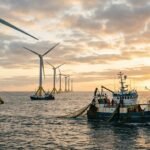
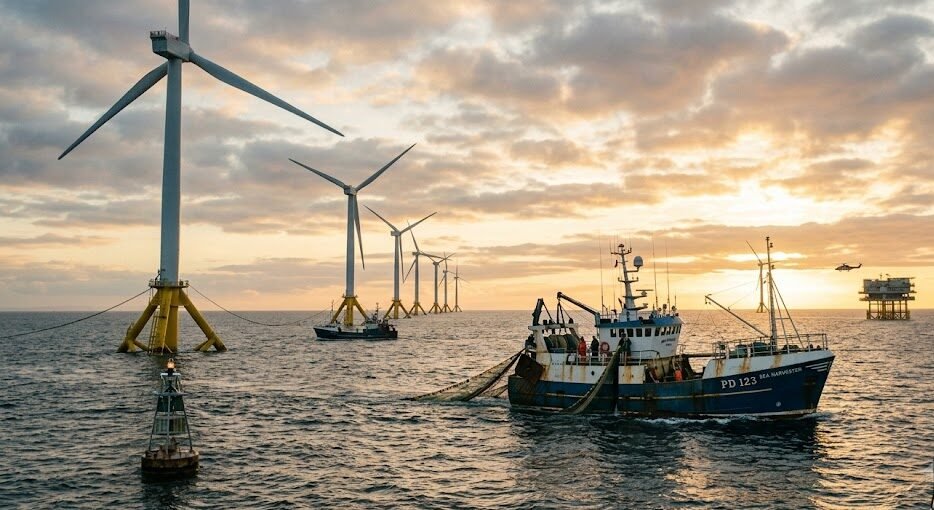
Commercial and artisanal fishing communities have legitimate concerns about the expansion of offshore wind farms into traditional fishing waters. These concerns are multifaceted and warrant serious consideration:
- Navigation Hazards: Wind farm installations can create navigational challenges and restricted access zones, potentially forcing fishing vessels to take longer routes or operate in less productive waters.
- Fish Population Impacts: Uncertainty exists regarding how offshore structures and electromagnetic fields from subsea cables affect fish migration patterns, spawning behavior, and population dynamics.
- Economic Disruption: Restricted access to fishing grounds can directly reduce catch volumes and income for fishing operations, threatening the economic viability of fishing communities.
- Gear Damage: Entanglement risks and accidental contact with underwater infrastructure pose risks to fishing equipment and vessel safety.
- Cumulative Effects: In regions with multiple wind farm developments, the cumulative impact on fishing grounds and marine ecosystems could be substantial.
Potential Environmental Interactions
The relationship between offshore wind farms and marine environments is complex. While wind farms themselves produce no direct emissions, their physical presence in marine ecosystems warrants careful study. Research indicates that offshore structures can create artificial reef effects, potentially attracting certain fish species while disrupting others. Electromagnetic fields from subsea cables may affect species that rely on electromagnetic sensing for navigation and orientation.
Additionally, construction and maintenance activities generate underwater noise and vibrations that could disturb marine mammals and fish. The long-term cumulative effects of large-scale wind farm deployment on marine biodiversity remain an active area of scientific investigation.
Coexistence Strategies and Best Practices
Successful coexistence between floating offshore wind farms and fishing activities requires proactive planning and collaborative approaches. Several strategies have proven effective or show promise:
Spatial Planning and Zoning
Comprehensive marine spatial planning can designate appropriate zones for wind development while preserving critical fishing grounds. Strategic placement of wind farms can minimize overlap with productive fishing areas and established shipping lanes, reducing conflicts between industries.
Stakeholder Engagement
Early and ongoing consultation with fishing communities, industry representatives, and local authorities ensures that concerns are heard and addressed. Collaborative planning processes that include fishers in decision-making can lead to more sustainable outcomes and greater social acceptance.
Compensation and Transition Support
Some jurisdictions have implemented compensation schemes and economic support programs for fishing communities affected by wind farm development. These may include direct financial compensation, investment in fishing fleet modernization, or support for economic diversification and retraining programs.
Technical Modifications
Installing appropriate marking systems, lighting, and radar reflectors on wind farm structures improves navigational safety. Designing cable routes to avoid sensitive spawning and migration areas and employing burial techniques that minimize environmental disruption can reduce ecological impacts.
Monitoring and Adaptive Management
Establishing comprehensive environmental and socioeconomic monitoring programs allows for ongoing assessment of impacts. Adaptive management approaches enable regulatory adjustments based on empirical findings, ensuring that operational practices evolve with our understanding of actual impacts.
Regulatory Frameworks and Policy Considerations
Effective governance is essential for managing interactions between offshore wind development and fishing activities. Governments must establish clear regulatory frameworks that define licensing procedures, environmental assessment requirements, and operational standards. These frameworks should mandate consultation with affected fishing communities and require developers to conduct thorough environmental impact assessments.
International guidelines and best practices provide valuable reference points. Maritime authorities must coordinate with energy regulators to establish clear navigational rules and safety protocols for wind farm areas. Policies should address liability questions, dispute resolution mechanisms, and ongoing monitoring requirements.
Economic Opportunities and Innovation
Beyond coexistence, floating offshore wind farms may present economic opportunities for fishing communities. Some innovative models explore collaborative arrangements where fishing operations and wind farms operate in the same marine spaces. Research suggests that properly managed offshore structures could support increased fish populations in some cases, potentially creating new fishing opportunities.
Additionally, wind farm development generates employment in construction, maintenance, and supply chain activities. Retraining programs can help displaced fishers transition into emerging offshore renewable energy sectors, creating new career pathways in wind farm operation and maintenance.