
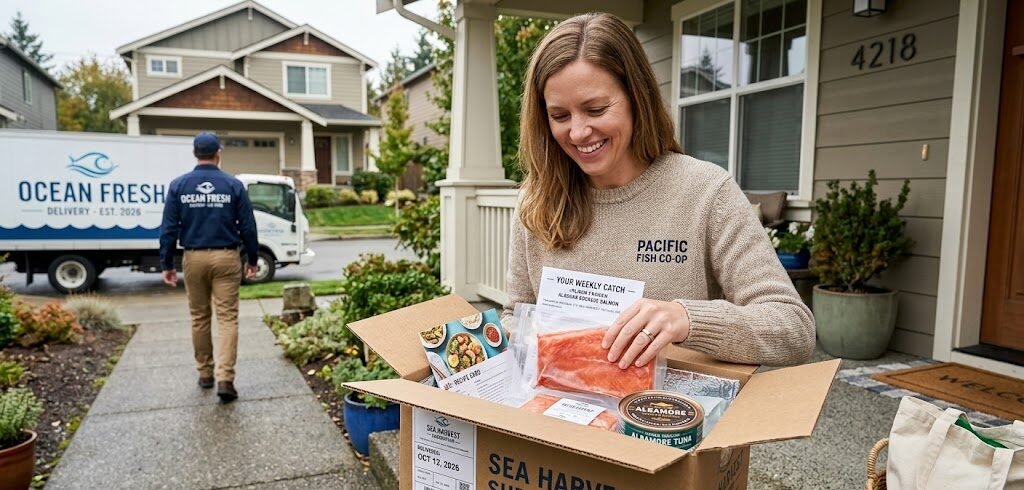
Understanding Direct-to-Consumer Seafood Subscriptions
The direct-to-consumer (D2C) seafood subscription market represents a significant shift in how consumers access fresh seafood products. Rather than relying on traditional retail channels, customers now have the opportunity to receive carefully curated selections of fish, shellfish, and other marine products delivered directly to their doorstep. This model eliminates intermediaries, reducing supply chain complexity and ensuring fresher products reach consumers more quickly.
Direct-to-consumer seafood subscriptions have emerged as a convenient and reliable solution for households seeking premium quality seafood without the hassle of visiting physical retail locations. These services typically operate on recurring delivery schedules, allowing customers to customize their selections based on personal preferences and dietary requirements.
Market Growth and Expansion Trends
The D2C seafood subscription sector is experiencing remarkable growth heading into 2026. Several factors contribute to this expansion, including increased consumer awareness of sustainable fishing practices, growing demand for convenience-based shopping, and technological advancements that enable efficient logistics and cold chain management.
Key growth drivers include:
- Rising consumer preference for fresh, sustainably sourced seafood
- Expansion of cold chain logistics infrastructure
- Increased digital adoption and e-commerce familiarity
- Greater transparency in supply chain operations
- Premium pricing strategies reflecting product quality
Product Variety and Customization Options
Contemporary D2C seafood subscription services offer unprecedented variety in their product selections. Consumers can choose from an extensive range of fish species, shellfish, specialty items, and prepared seafood products. Leading providers emphasize flexibility, allowing subscribers to modify their orders frequently or customize subscription boxes according to taste preferences and cooking abilities.
Popular offerings typically include:
- Wild-caught and sustainably farmed fish varieties
- Premium shellfish including oysters, clams, and scallops
- Pre-portioned and prepared meal components
- Recipe kits with accompanying cooking instructions
- Specialty and seasonal delicacies
Sustainability and Sourcing Practices
Sustainability has become a cornerstone of the D2C seafood subscription industry. Consumers increasingly demand transparency regarding fishing methods, environmental impact, and supply chain practices. Many subscription services have responded by establishing partnerships with certified sustainable fisheries and implementing rigorous sourcing standards.
This commitment to sustainability includes traceability systems that allow customers to learn precisely where their seafood originates, which fishing techniques were employed, and how environmental standards were maintained. Such transparency builds consumer trust and differentiates premium subscription services in a competitive marketplace.
Technological Integration and Logistics
The success of D2C seafood subscriptions depends heavily on advanced technological infrastructure. From inventory management systems to customer relationship platforms, technology enables these services to operate efficiently while maintaining product quality and freshness.
Critical technological components include:
- Sophisticated cold chain management systems
- Real-time tracking and delivery notifications
- Personalization algorithms for product recommendations
- Mobile applications facilitating easy order modifications
- Integration with payment and logistics partners
Consumer Benefits and Value Proposition
Direct-to-consumer seafood subscriptions offer multiple compelling benefits that appeal to modern consumers. The primary value proposition centers on convenience, quality assurance, and elimination of retail markups.
Key consumer advantages include:
- Guaranteed freshness through optimized supply chains
- Consistent quality standards across deliveries
- Reduced prices compared to premium retail establishments
- Flexible subscription management and pause options
- Educational content and recipe inspiration
- Support for sustainable fishing practices
Competitive Landscape and Market Players
The D2C seafood subscription market features both established players and emerging startups competing for market share. Successful companies differentiate themselves through superior sourcing practices, exceptional customer service, and innovative product offerings. Competition has intensified as more entrepreneurs recognize the market opportunity and consumer demand continues to expand.
Competition drives continuous improvement in service quality, pricing strategies, and customer experience. This dynamic environment benefits consumers through better options and more competitive pricing structures.
Pricing Models and Subscription Structures
D2C seafood subscription services employ various pricing models designed to accommodate different consumer preferences and budget constraints. Typical structures include tiered subscription plans offering different frequency options, quantity levels, and product assortments.
Common pricing approaches feature:
- Weekly or bi-weekly delivery frequency options
- Flexible box sizes ranging from individual servings to family quantities
- Premium and standard product tiers
- Discounts for longer commitment periods
- One-time purchase options for non-subscribers
Challenges and Market Considerations
Despite significant growth prospects, the D2C seafood subscription industry faces considerable challenges. Cold chain logistics remain expensive and complex, requiring substantial infrastructure investment. Additionally, maintaining consistent freshness across geographic regions presents ongoing operational difficulties.
Notable challenges include:
- High logistics costs associated with temperature-controlled shipping
- Supply chain disruptions affecting product availability
- Customer acquisition and retention expenses
- Regulatory compliance across multiple jurisdictions
- Consumer concerns regarding packaging waste
Future Outlook for 2026 and Beyond
The direct-to-consumer seafood subscription market is positioned for substantial growth through 2026.