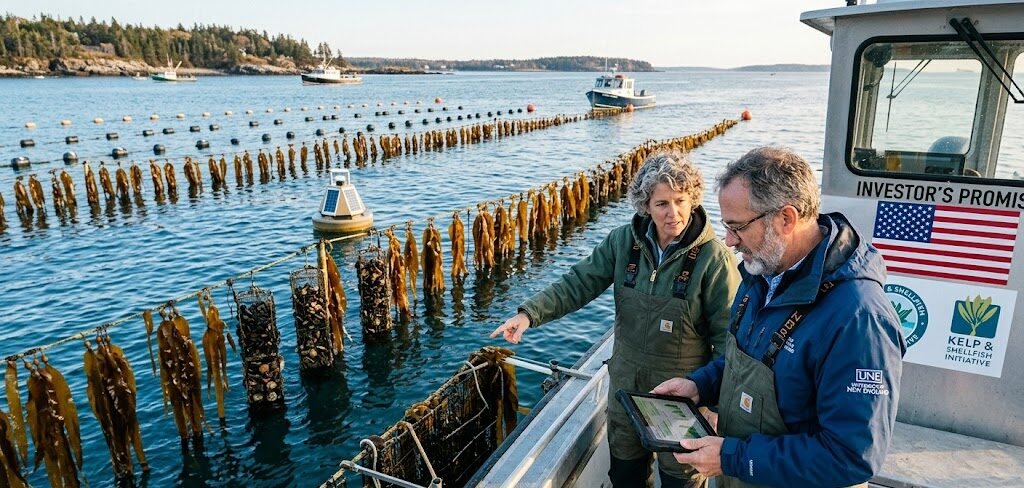
Introduction to Ocean Farming
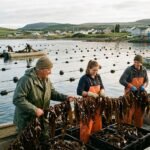
Ocean farming represents a transformative approach to sustainable food production and environmental conservation. By cultivating kelp and shellfish in marine ecosystems, this innovative agricultural practice addresses critical global challenges including food security, climate change, and ocean health. Unlike traditional aquaculture, ocean farming operates without chemical inputs or feed additives, making it an environmentally responsible investment opportunity for forward-thinking stakeholders.
The Growing Demand for Sustainable Seafood
Global seafood consumption continues to rise, with projections indicating that demand will increase by 55% by 2050. Traditional fishing practices have proven insufficient and unsustainable, depleting wild fish stocks and damaging marine ecosystems. Ocean farming offers a viable alternative that can meet this growing demand while simultaneously restoring ocean health and supporting coastal economies.
Understanding Kelp Cultivation
Kelp farming has emerged as one of the most promising sectors within ocean agriculture. These fast-growing macroalgae require no fertilizers, pesticides, or freshwater inputs, thriving naturally in nutrient-rich ocean waters. Kelp grows remarkably quickly, with some species capable of adding two feet of biomass per day, making it an exceptionally efficient crop.
Benefits of Kelp Investment
- Carbon Sequestration: Kelp absorbs carbon dioxide at rates significantly higher than terrestrial forests, contributing to climate change mitigation efforts
- Nutrient Cycling: The crop naturally reduces nitrogen and phosphorus pollution from coastal runoff, improving water quality
- Diverse Applications: Kelp serves multiple markets including food products, biofertilizers, animal feed supplements, and pharmaceuticals
- Ecosystem Support: Kelp forests create habitats for numerous marine species, enhancing biodiversity
- Low Operating Costs: Minimal infrastructure and input requirements result in attractive profit margins
Kelp Market Opportunities
The kelp market is experiencing rapid expansion across multiple sectors. Food manufacturers increasingly incorporate kelp into nutritional products, while cosmetic and pharmaceutical industries recognize its bioactive compounds. Agricultural applications as sustainable biofertilizers represent another significant growth opportunity, particularly as demand for organic farming inputs intensifies globally.
The Shellfish Farming Advantage
Shellfish farming, including oyster, mussel, and clam cultivation, complements kelp production within integrated ocean farming systems. These filter-feeding organisms consume algae and phytoplankton, naturally purifying water while producing nutritious protein sources. Like kelp, shellfish require no external feed or chemical treatments.
Economic and Environmental Benefits of Shellfish Farming
- Water Purification: A single oyster can filter 50 gallons of water daily, significantly improving water quality in farming regions
- Disease Prevention: Improved water quality reduces incidence of harmful algal blooms and associated public health risks
- Premium Pricing: High-quality farm-raised shellfish command premium prices in wholesale and retail markets
- Job Creation: Shellfish farming operations generate employment across harvesting, processing, and distribution sectors
- Coastal Restoration: Farming sites often experience restoration of natural reef structures and associated ecosystems
Integrated Ocean Farming Systems
The most effective ocean farming operations combine kelp and shellfish cultivation in integrated systems that maximize ecological and economic benefits. This polyculture approach creates synergistic relationships where each component enhances overall system performance. Kelp provides supplementary nutrition and oxygen while absorbing excess nutrients, while shellfish contribute water purification and additional revenue streams.
Key Advantages of Integration
- Enhanced resource utilization and ecosystem balance
- Diversified income sources reducing financial risk
- Improved environmental outcomes and habitat restoration
- Greater resilience to market fluctuations and environmental changes
- Scalability across various coastal geographies and climates
Investment Opportunities and Financial Projections
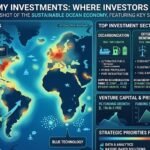
Ocean farming presents compelling investment opportunities for venture capital, impact investors, and agricultural funding vehicles. Initial capital requirements remain relatively modest compared to terrestrial farming operations, with favorable payback periods and attractive returns on investment. Market analysts project consistent double-digit growth rates for both kelp and shellfish sectors through the coming decades.
Government incentives, including tax credits and grant programs supporting sustainable aquaculture, further enhance investment attractiveness. Additionally, carbon credit opportunities derived from kelp’s exceptional sequestration rates provide supplementary revenue streams beyond direct product sales.
Regulatory Framework and Compliance
Ocean farming operates within established regulatory frameworks that generally support responsible marine agriculture. Environmental impact assessments, licensing requirements, and monitoring protocols ensure that farming operations meet rigorous sustainability standards. These regulations, rather than hindering investment, actually protect market viability by ensuring environmental and food safety compliance.
Future Growth Prospects
The trajectory of ocean farming continues accelerating as technology advances, climate pressures intensify, and consumer demand for sustainable products grows. Emerging innovations in seed production, cultivation techniques, and harvesting automation promise to further improve operational efficiency and profitability. Geographic expansion into new regions and development of novel product applications will drive continued sector expansion.
Research institutions and private companies increasingly invest in ocean farming technology and knowledge development, creating a virtuous cycle of innovation and market expansion. This ecosystem of support strengthens the sector’s long-term viability and attractiveness to investors seeking sustainable, profitable opportunities.
Conclusion
Ocean farming through kelp and shellfish cultivation represents a paradigm shift in how humanity produces food and manages marine resources. This investment opportunity aligns financial returns with environmental stewardship and food security objectives. As global challenges intensify and consumer preferences shift toward sustainability, ocean farming stands positioned as a critical component of future agricultural systems.