Understanding the Seafood Waste Crisis
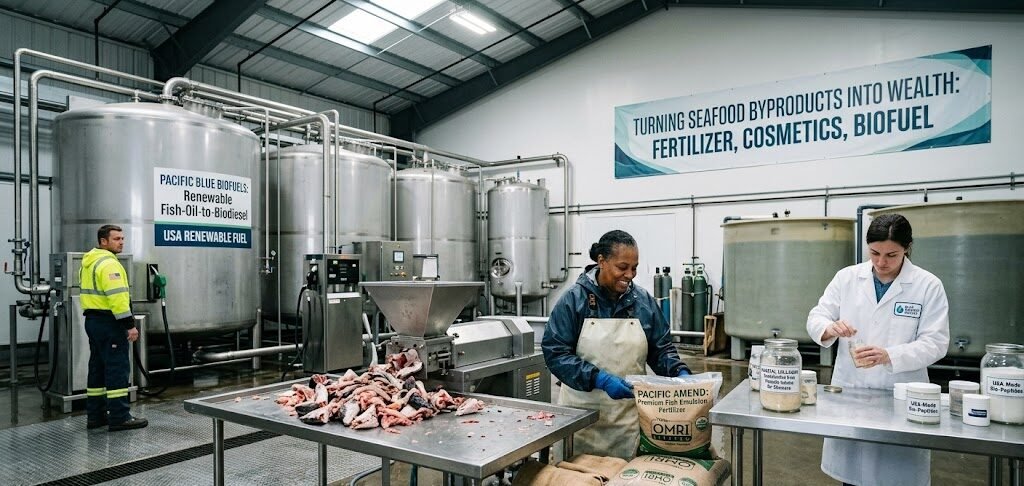
The global seafood industry generates millions of tons of organic waste annually, presenting a significant environmental challenge. Fish processing facilities, restaurants, and retail establishments discard substantial quantities of shells, bones, skin, and organs that were previously considered valueless byproducts. This waste stream not only occupies landfill space but also contributes to methane emissions and environmental degradation. However, emerging technologies and sustainable practices are transforming these seafood byproducts into valuable renewable energy sources.
The Composition and Availability of Seafood Byproducts
Seafood processing waste comprises various organic materials with distinct characteristics and potential applications. The primary components include:
- Shells and Exoskeletons: Rich in chitin and calcium carbonate, these materials provide structural support and mineral content.
- Fish Bones and Frames: Composed primarily of protein and minerals, offering substantial organic matter for conversion.
- Viscera and Organs: High in lipids and proteins, making them particularly suitable for energy extraction.
- Skin and Scales: Containing collagen and other valuable compounds with multiple potential uses.
The availability of these materials is substantial and relatively consistent, given the year-round nature of seafood processing operations across global markets. Studies indicate that approximately 50 percent of harvested seafood becomes waste during processing, creating a reliable feedstock for biofuel production.
Biofuel Production Technologies
Several advanced technologies enable the conversion of seafood waste into biofuels, each with distinct advantages and applications:
Anaerobic Digestion
Anaerobic digestion represents one of the most established methods for converting organic waste into biogas. In this process, microorganisms break down seafood waste in oxygen-free environments, producing methane and carbon dioxide. The resulting biogas can be utilized for electricity generation, heating, or fuel production. This technology is particularly effective for high-moisture seafood byproducts and offers the added benefit of producing nutrient-rich digestate suitable for agricultural applications.
Hydrothermal Liquefaction
Hydrothermal liquefaction (HTL) subjects seafood waste to high temperatures and pressure in the presence of water, converting organic matter into crude bio-oil. This process is particularly advantageous for feedstocks with high moisture content, such as fish processing waste. The resulting bio-oil can be refined into conventional fuels or used as a chemical feedstock, making it a versatile solution for waste conversion.
Fermentation and Bioethanol Production
The protein and carbohydrate content in seafood byproducts can be fermented to produce bioethanol, a renewable fuel alternative. Enzymatic processes break down complex organic compounds into simpler sugars, which microorganisms subsequently ferment into alcohol. This approach leverages existing industrial infrastructure and is compatible with current fuel distribution systems.
Environmental and Economic Benefits
The conversion of seafood waste into biofuel offers multiple advantages across environmental and economic dimensions:
Environmental Advantages
- Reduction of landfill waste and associated methane emissions
- Decreased reliance on fossil fuels and reduced carbon dioxide emissions
- Prevention of water pollution from decomposing organic matter
- Creation of closed-loop systems that maximize resource efficiency
Economic Advantages
- Generation of revenue from previously worthless waste streams
- Reduced disposal costs for seafood processing facilities
- Creation of new employment opportunities in biofuel production and processing
- Enhanced competitiveness through sustainable business practices
Current Industry Applications and Case Studies
Progressive companies and research institutions worldwide are demonstrating the viability of seafood waste-to-biofuel conversion. Facilities in Scandinavia, Southeast Asia, and North America have successfully implemented pilot and commercial-scale operations. These initiatives have established baseline metrics for conversion efficiency, production costs, and environmental impact reduction, proving the technical and economic feasibility of the approach.
Challenges and Future Directions
Despite promising developments, several obstacles remain to widespread adoption of seafood waste-to-biofuel technologies. Geographic distribution of processing facilities, variability in waste composition, capital investment requirements, and regulatory frameworks all present challenges. However, ongoing research into enzymatic processes, genetic optimization of microorganisms, and integration with existing waste management infrastructure continues to improve feasibility and economic viability.
Conclusion
The transformation of seafood waste from an environmental liability into a valuable biofuel resource represents a significant opportunity for sustainable industrial development. Through anaerobic digestion, hydrothermal liquefaction, and fermentation technologies, the seafood industry can simultaneously address waste management challenges and contribute to renewable energy goals. As regulatory support increases and technologies mature, seafood waste-to-biofuel conversion will likely become an integral component of circular economy strategies within the global food production sector.