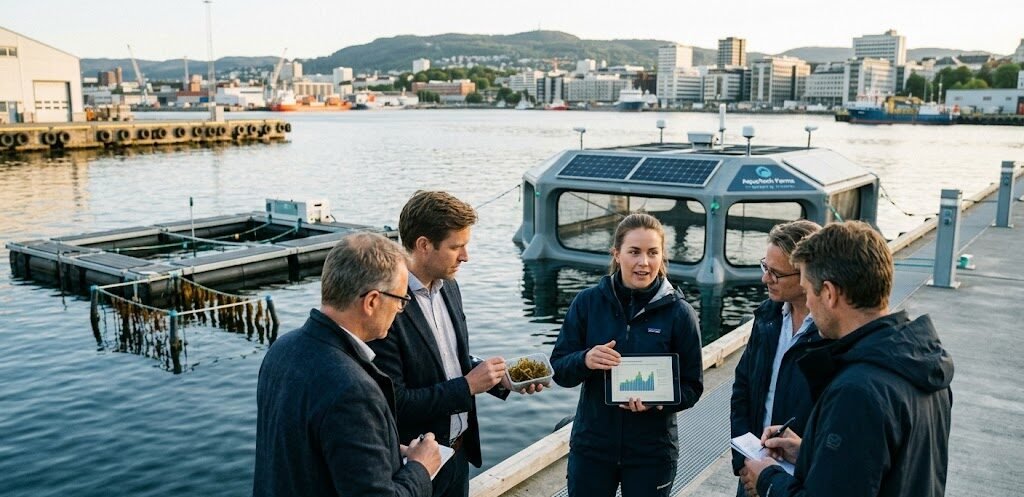
The Rising Tide of Seafood Innovation
The global seafood industry stands at a critical juncture. As traditional fishing practices face mounting pressure from overfishing, climate change, and sustainability concerns, a new wave of innovative startups is reshaping how we harvest, produce, and consume ocean food. These forward-thinking companies are leveraging cutting-edge technology, scientific advancement, and entrepreneurial vision to address food security while protecting marine ecosystems for future generations.
Sustainable Aquaculture: Farming the Future
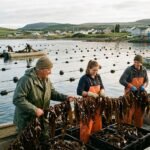
Modern seafood startups are revolutionizing aquaculture through advanced farming techniques that minimize environmental impact. Unlike conventional methods that often contribute to pollution and disease in wild fish populations, these companies are developing closed-containment systems and land-based facilities that offer greater control over production conditions and waste management.
Key innovations in sustainable aquaculture include:
- Recirculating Aquaculture Systems (RAS): These facilities use advanced filtration and water treatment technologies to reduce water consumption by up to 95% compared to traditional methods while eliminating discharge into natural waterways.
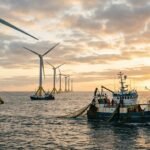
- Offshore farming solutions: Companies are deploying farms in deeper waters where natural currents help maintain water quality and reduce localized environmental stress.
- Selective breeding programs: Startups are developing disease-resistant and faster-growing species varieties that improve efficiency and reduce reliance on antibiotics.
Alternative Proteins: Beyond Conventional Seafood
A significant segment of seafood startups is exploring alternative protein sources that can replace traditional fish and shellfish. These companies are using fermentation, cellular agriculture, and plant-based technologies to create seafood alternatives that replicate the taste, texture, and nutritional profile of conventional ocean products.
This emerging sector offers multiple advantages:
- Reduced pressure on wild fish stocks and marine biodiversity
- Shorter production cycles compared to conventional aquaculture
- Minimal environmental footprint with controlled ingredient sourcing
- Scalability potential to meet growing global protein demand
Consumer acceptance of these alternatives continues to grow as technology improves and taste quality matches conventional seafood products more closely.
Technology-Driven Traceability and Quality Control
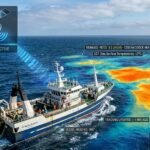
Transparency in the seafood supply chain has become increasingly important to consumers concerned about sustainability and food safety. Innovative startups are implementing blockchain technology, IoT sensors, and advanced data analytics to track seafood from harvest to table.
These technological solutions provide:
- Complete supply chain visibility: Consumers can verify the origin, production method, and handling of their seafood purchases.
- Real-time quality monitoring: Sensors track temperature, oxygen levels, and other critical variables to ensure product quality throughout distribution.
- Fraud prevention: Advanced tracking systems help eliminate mislabeling and illegal, unreported, and unregulated (IUU) fishing products from the market.
- Regulatory compliance: Automated systems simplify documentation and ensure adherence to international seafood safety standards.
Cellular Agriculture: Growing Seafood at the Cellular Level
Perhaps the most transformative innovation emerging from seafood startups is cellular agriculture—the cultivation of fish and shellfish cells in controlled laboratory environments. This technology eliminates the need for traditional fishing or farming altogether, producing genuine seafood products without raising or catching live animals.
The potential impact of cellular seafood production includes:
- Complete elimination of wild-caught fishing impacts on marine ecosystems
- Production of nutrient-rich seafood in urban centers, reducing transportation emissions
- Dramatically reduced water consumption and waste generation
- Ability to scale production to meet global demand without environmental constraints
While regulatory frameworks and production costs remain challenges, significant investment and progress suggest this technology could become commercially viable within the next decade.
Investment and Market Growth
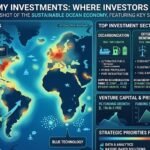
The seafood startup ecosystem is experiencing unprecedented investment activity. Venture capital firms, impact investors, and major food corporations recognize the substantial market opportunity and urgency of sustainable seafood solutions. This influx of capital is accelerating innovation cycles and enabling startups to scale operations more rapidly than traditional businesses.
Market analysts project that alternative seafood products and sustainable aquaculture solutions will capture an increasingly significant share of the global seafood market, potentially reaching 10-15% by 2030. This growth trajectory makes the seafood startup space one of the most dynamic segments of the food technology sector.
Challenges and Opportunities Ahead
Despite remarkable progress, seafood startups face substantial obstacles. Regulatory uncertainty surrounding novel foods, particularly cultured seafood products, requires ongoing dialogue between industry stakeholders and government agencies. Production costs must decrease significantly to achieve price parity with conventional seafood and ensure mainstream market adoption.
Additionally, consumer education remains essential. Building trust and awareness around new seafood production methods will be crucial for market penetration and sustainable growth.
The Future of Seafood
The seafood industry’s evolution toward sustainability and innovation represents a pivotal moment for global food security and ocean conservation. Startups driving this transformation are proving that responsible, technologically advanced seafood production is not only possible but increasingly necessary.
As these companies continue to mature and scale their operations, they will fundamentally reshape our relationship with ocean resources. By combining scientific innovation, environmental responsibility, and commercial viability, seafood startups are indeed creating the next big wave—one that promises to nourish humanity while preserving the oceans for generations to come.