
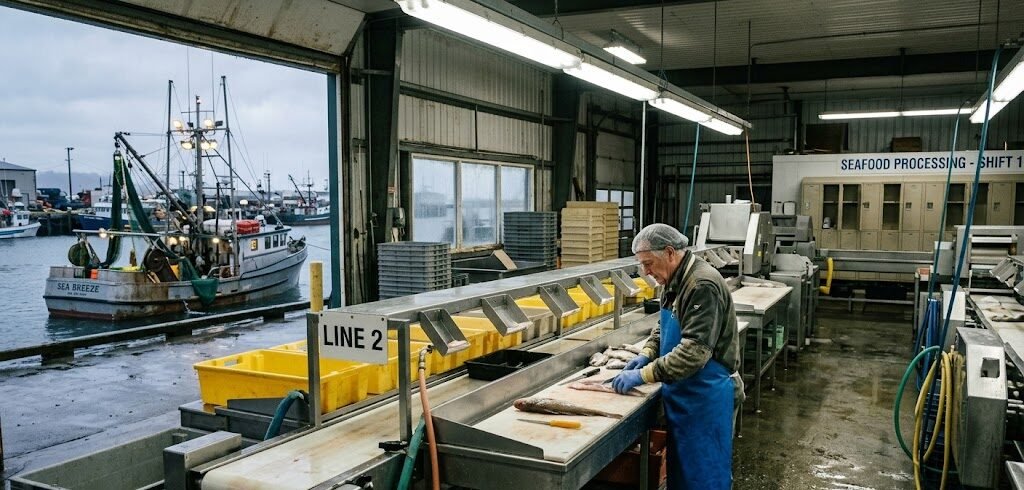
Understanding the Crisis in Coastal Employment
The fishing industry faces an unprecedented challenge as coastal communities grapple with significant workforce shortages. This crisis threatens not only the economic viability of fishing operations but also the cultural heritage and food security of regions dependent on marine resources. The shortage of skilled fishing talent has become increasingly acute, affecting everything from daily catch volumes to the long-term sustainability of family-owned fishing enterprises.
Several interconnected factors have contributed to this decline in fishing workforce participation. Young people are increasingly drawn to alternative career paths that offer more predictable schedules, better working conditions, and stable income streams. The physical demands of commercial fishing, combined with extended periods away from family and modern safety concerns, have made the profession less attractive to new generations of workers.
Root Causes of Fishing Industry Labor Shortages
The depletion of fishing talent stems from multiple sources. Regulatory restrictions on catch limits have reduced employment opportunities, while mechanization in some sectors has eliminated positions that traditionally trained new workers. Environmental changes and declining fish populations in certain regions have further decreased job availability and income stability.
- Economic Uncertainty: Volatile commodity prices and unpredictable catch yields create income instability that deters prospective workers.
- Physical Demands: The strenuous nature of fishing work, including early morning starts and dangerous maritime conditions, limits the applicant pool.
- Geographic Isolation: Remote coastal locations often lack amenities and educational opportunities that attract younger workers.
- Aging Workforce: The average age of commercial fishermen continues to rise as experienced workers retire without adequate replacement.
- Better Alternatives: Competing industries offer more favorable working conditions and career advancement opportunities.
Strategic Recruitment Approaches
To address these workforce challenges, coastal communities and fishing enterprises must adopt innovative recruitment strategies. Modern approaches focus on enhancing job appeal while maintaining the integrity and tradition of fishing work.
Modernizing the Industry Image
The fishing industry must rebrand itself to attract contemporary talent. Digital marketing campaigns highlighting the entrepreneurial aspects of fishing, technological advancements in vessel operations, and environmental stewardship initiatives can appeal to younger demographics. Showcasing successful fishing professionals and the economic rewards of skilled positions helps counter outdated perceptions of the industry.
Educational Partnerships and Training Programs
Establishing formal training programs through vocational schools and maritime academies creates structured pathways into the industry. Partnerships with coastal high schools can introduce students to fishing careers while they are still exploring occupational options. Apprenticeship programs that combine classroom instruction with hands-on experience on working vessels provide comprehensive preparation for new entrants.
Competitive Compensation and Benefits
Offering competitive wages based on catch performance, coupled with comprehensive benefits packages, makes fishing careers more attractive. Health insurance, retirement plans, and safety equipment investments demonstrate commitment to worker welfare. Performance-based incentive structures reward skilled and productive crew members.
Improved Working Conditions
Investing in modern vessel technology, safety equipment, and ergonomic improvements reduces physical strain and occupational hazards. Shorter deployment periods with more predictable scheduling allow fishermen to maintain family connections. Comfortable accommodations and quality food onboard enhance the daily experience of crew members during extended voyages.
Technology as a Recruitment Tool
Modern technology offers promising solutions for attracting new fishing talent. Automated systems reduce the most physically demanding aspects of fishing work, making careers accessible to a broader population. Digital platforms for crew management, catch tracking, and market connectivity appeal to tech-savvy younger workers who value data-driven decision making.
Vessel monitoring systems, GPS navigation, and real-time weather integration make fishing operations safer and more efficient. These technological enhancements not only improve safety but also demonstrate that fishing represents a modern, forward-thinking career option rather than a purely traditional occupation.
Community and Policy Support
Government initiatives can significantly impact fishing industry recruitment success. Loan forgiveness programs for fishing education, tax incentives for vessel modernization, and subsidized training programs reduce barriers to entry. Policies protecting fishing rights and ensuring sustainable resource management provide long-term career stability that attracts serious workers.
Local communities can support recruitment efforts by promoting fishing heritage and providing infrastructure that makes coastal living attractive. Investment in schools, healthcare facilities, and entertainment options improves the overall quality of life for fishing families, making coastal communities more competitive in attracting and retaining talent.
Success Stories and Best Practices
Several coastal regions have successfully implemented comprehensive recruitment strategies. Programs combining wage improvements, vessel modernization, and community development have stabilized local fishing populations. Successful initiatives share common characteristics: strong industry-community partnerships, sustained government support, and genuine investment in worker quality of life.
Mentorship programs pairing experienced fishermen with apprentices have proven particularly effective at knowledge transfer and cultural integration. These relationships provide aspiring fishermen with guidance that extends beyond technical skills to include the values and traditions that define fishing communities.
Measuring Success and Long-Term Sustainability
Successful recruitment initiatives require ongoing evaluation and adaptation. Metrics should include new worker retention rates, average crew age trends, and economic indicators reflecting industry health. Regular assessment ensures that recruitment strategies remain aligned with evolving market conditions and workforce expectations.
Long-term sustainability depends on creating a self-perpetuating cycle where successful, satisfied fishermen attract peers and mentees. When fishing offers competitive compensation, safe working conditions, technological engagement, and strong community connection, it naturally appeals to potential workers seeking meaningful, economically viable careers.
Conclusion
Addressing coastal workforce shortages requires comprehensive approaches that modernize the fishing industry while respecting its cultural significance. By combining improved working conditions, competitive compensation, advanced training programs, and technological innovation, fishing enterprises and coastal communities can successfully recruit and retain talented workers. The future of the fishing industry depends on proactive recruitment strategies that make this vital profession attractive to new generations. Through sustained commitment to worker development and industry modernization, coastal communities can ensure that fishing talent remains available for years to come, preserving both economic vitality and maritime heritage.