The Arctic region is experiencing unprecedented environmental changes that are fundamentally reshaping global maritime commerce. As climate change accelerates the melting of Arctic sea ice, new shipping routes are emerging that promise to revolutionize international trade routes and seafood distribution networks. This transformation presents both significant opportunities and considerable challenges for the global shipping industry, environmental stakeholders, and coastal communities.
The Impact of Climate Change on Arctic Ice
Rising global temperatures are causing dramatic reductions in Arctic sea ice coverage, particularly during summer months. Scientific data indicates that Arctic sea ice has declined by approximately 13 percent per decade over the past four decades. This melting creates navigable passages that were previously impassable, opening corridors that could significantly reduce shipping distances between major global markets.
The most notable of these emerging routes include the Northwest Passage, connecting the Atlantic and Pacific Oceans through Canadian Arctic waters, and the Northeast Passage, which traverses the Russian Arctic coastline. Both routes substantially shorten transit times compared to traditional routes through the Suez Canal or Panama Canal, potentially saving shipping companies thousands of nautical miles and considerable fuel costs.
New Opportunities for Seafood Trade
The seafood industry stands to benefit significantly from these emerging Arctic routes. Key advantages include:
- Reduced transportation time from major fishing regions to global markets
- Lower fuel consumption and associated shipping costs
- Decreased carbon emissions per shipment
- Extended fishing seasons in newly accessible Arctic waters
- Enhanced freshness of perishable seafood products
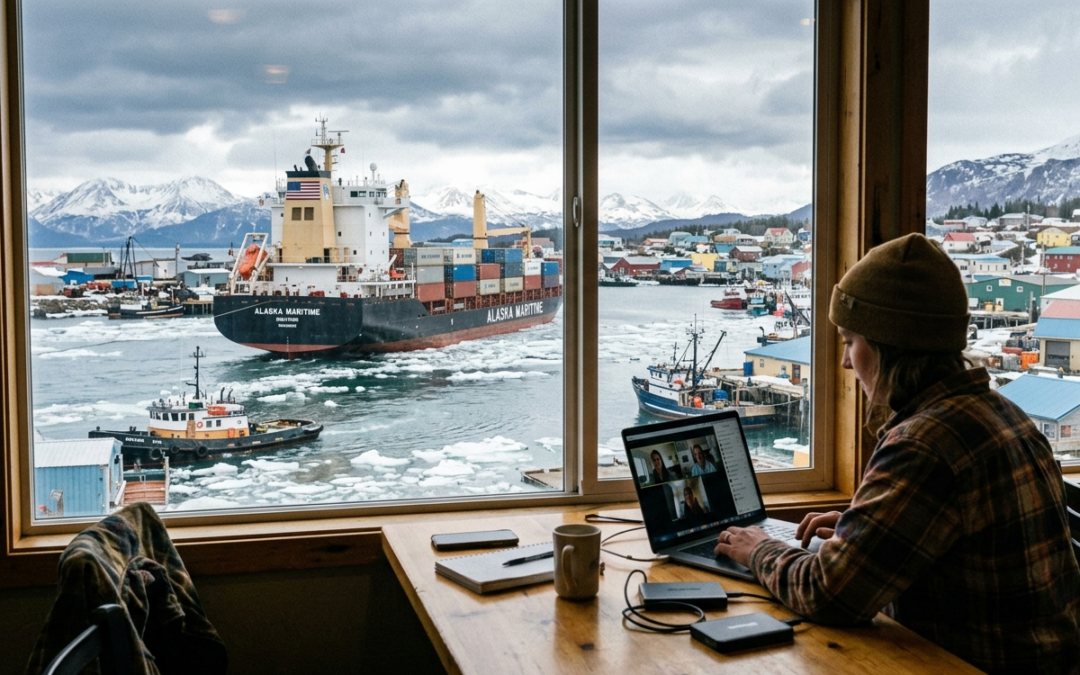
Commercial fishing operations in the North Atlantic and North Pacific regions can now access Asian and European markets more efficiently. This efficiency translates to fresher products reaching consumers and improved profitability for seafood exporters, particularly those based in Northern Canada, Alaska, and Scandinavia.
Global Shipping Implications
The emergence of Arctic seafood routes represents a paradigm shift in global logistics. Shipping companies are increasingly investing in ice-strengthened vessels and Arctic navigation capabilities to capitalize on these new pathways. The potential for reduced voyage times and operational costs makes Arctic routes economically attractive for cargo-heavy operations, including frozen seafood shipments.
However, the transition is not without complications. Arctic navigation requires specialized equipment, enhanced crew training, and compliance with emerging international regulations. The International Maritime Organization has established the Polar Code, which sets safety and environmental standards for vessels operating in polar waters and requires significant investments from shipping operators.
Environmental and Regulatory Considerations
While Arctic routes offer economic benefits, they raise important environmental concerns. Increased shipping traffic in previously pristine Arctic waters carries risks of oil spills, marine pollution, and disruption to Arctic ecosystems. Indigenous communities and wildlife dependent on Arctic environments face potential threats from expanded commercial activities.
International regulatory frameworks are evolving to address these challenges. Governments and environmental organizations are developing stricter environmental standards for Arctic shipping, including requirements for marine protected areas, mandatory ice-class certifications, and enhanced emergency response capabilities.
The Future of Arctic Seafood Routes
As climate change continues to transform Arctic ice conditions, the viability and frequency of Arctic shipping routes will likely increase. Industry experts project that Arctic routes could handle substantial portions of global cargo within the next two decades. The seafood industry, in particular, is well-positioned to leverage these developments, given the time-sensitive nature of perishable goods and the substantial cost savings achievable through shortened transit routes.
The convergence of melting ice, technological advancement, and evolving regulatory frameworks is creating a complex landscape for Arctic maritime commerce. Success in this new era will require collaboration between shipping companies, seafood producers, environmental organizations, government agencies, and indigenous communities to ensure sustainable and responsible development of Arctic shipping corridors.
Conclusion
The melting of Arctic ice is fundamentally altering global shipping patterns and opening unprecedented opportunities for the seafood industry. These new routes promise enhanced efficiency and reduced environmental impact compared to traditional shipping corridors. However, realizing these benefits while protecting Arctic environments and respecting indigenous rights requires careful planning, robust international cooperation, and commitment to sustainable practices. As Arctic seafood routes continue to develop, they will undoubtedly play an increasingly important role in shaping the future of global maritime trade.