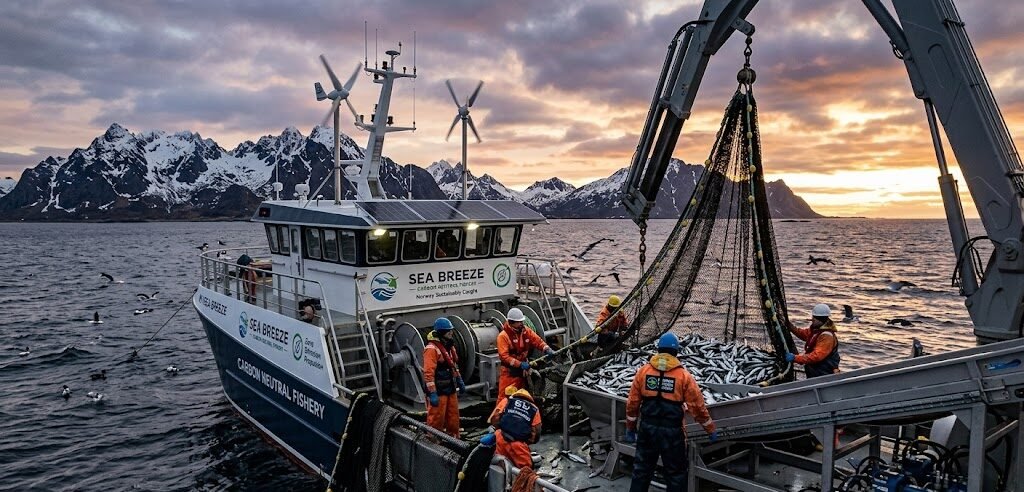
Introduction
The global fishing industry stands at a critical juncture. As one of the world’s largest sources of protein, fisheries sustain billions of people and provide livelihoods for millions. However, the sector is also a significant contributor to greenhouse gas emissions, accounting for approximately 3.5% of global carbon dioxide output. Achieving carbon-neutral fisheries represents not only an environmental imperative but also an economic opportunity to build a sustainable future for marine resources and coastal communities.
Understanding Carbon Emissions in Fisheries
Commercial fishing operations generate carbon emissions through multiple pathways. The primary source stems from fuel consumption in fishing vessels, with diesel engines powering boats during extended voyages across vast ocean expanses. Beyond direct fuel use, significant emissions arise from supply chain activities, including processing, refrigeration, transportation, and packaging of seafood products.
Additional contributors to the industry’s carbon footprint include:
- Vessel manufacturing and maintenance operations
- Harbor infrastructure and port facility operations
- Cold storage and ice production facilities
- International shipping and distribution networks
- Fishing gear production and replacement
Renewable Energy Solutions for Fishing Vessels
Transitioning fishing vessels to renewable energy sources represents the most direct pathway to emissions reduction. Advanced technologies now enable sustainable alternatives to traditional diesel propulsion systems.
Solar and Wind-Powered Vessels
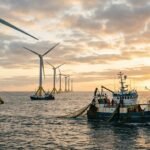
Modern fishing boats increasingly incorporate solar panels and wind turbines to supplement or replace conventional engines. Hybrid systems combining renewable energy sources with efficient battery storage allow vessels to operate with minimal environmental impact. Several innovative fishing companies have successfully deployed wind-assisted vessels, reducing fuel consumption by up to 20-30% without compromising catch capacity or operational efficiency.
Electric and Battery Technology
Battery-electric propulsion systems offer another compelling solution, particularly for smaller coastal fishing vessels that operate within limited ranges. As battery technology continues to advance, storage capacity and cost-effectiveness improve substantially. Forward-thinking fisheries are investing in electric alternatives that deliver comparable performance to traditional engines while eliminating on-board emissions entirely.
Sustainable Fishing Practices and Operational Efficiency
Reducing carbon emissions extends beyond energy sources to encompass operational methodologies. Implementing sustainable fishing practices simultaneously decreases environmental impact and improves long-term economic viability.
Selective Fishing Technologies
Advanced fishing technologies enable vessels to target specific species more effectively, reducing bycatch and the associated waste of energy and resources. Precision fishing methods minimize time spent at sea, directly lowering fuel consumption and carbon emissions per unit of catch.
Route Optimization and Fleet Management
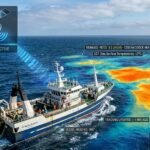
Data analytics and artificial intelligence technologies help optimize fishing routes, reducing unnecessary fuel consumption while improving catch efficiency. Modern fleet management systems identify ideal fishing grounds and coordinate vessel movements to minimize energy waste across entire fishing networks.
Supply Chain Decarbonization
Comprehensive carbon neutrality extends beyond fishing operations to encompass the entire product lifecycle. Strategic supply chain improvements create significant emissions reductions.
Local Processing and Distribution
Establishing processing facilities closer to fishing grounds reduces transportation distances and associated emissions. Regional distribution networks prioritize local and regional markets over long-distance international shipping, substantially decreasing the carbon footprint of seafood products reaching consumer tables.
Packaging and Cold Chain Innovation
Sustainable packaging materials, improved insulation technologies, and efficient refrigeration systems reduce emissions across storage and transportation phases. Investment in eco-friendly alternatives minimizes environmental impact while maintaining product quality and safety standards.
Carbon Offset and Removal Technologies
While direct emissions reduction should remain the primary focus, carbon offset and removal mechanisms play a complementary role in achieving net-zero objectives.
Fisheries can support carbon sequestration through:
- Blue carbon initiatives protecting seagrass meadows, mangroves, and salt marshes
- Marine habitat restoration projects that sequester atmospheric carbon
- Investment in verified carbon credit programs
- Participation in marine protected area development and management
Regulatory Frameworks and Industry Standards
Governmental policies and industry standards create accountability structures essential for widespread adoption of carbon-neutral practices. International maritime regulations increasingly mandate emissions reporting and establish reduction targets for fishing operations.
Progressive regulatory approaches include:
- Carbon pricing mechanisms and emissions trading systems
- Fuel efficiency standards for fishing vessel engines
- Sustainability certification programs rewarding low-carbon operators
- Investment incentives for renewable energy adoption
- Research and development funding for innovative solutions
Economic Benefits and Market Opportunities
The transition to carbon-neutral fisheries generates substantial economic advantages beyond environmental protection. Reduced fuel consumption directly decreases operational costs, improving profit margins and long-term financial sustainability for fishing enterprises.
Market dynamics increasingly favor low-carbon seafood products. Environmentally conscious consumers demonstrate willingness to pay premium prices for certified sustainable options, creating competitive advantages for early adopters of carbon-neutral practices. Furthermore, investment in green fishing technologies stimulates job creation in renewable energy sectors and marine technology innovation.
Challenges and Barriers to Implementation
Despite compelling benefits, significant obstacles impede rapid transition to carbon-neutral fisheries. Capital requirements for vessel upgrades and renewable energy infrastructure exceed financial capacity for many fishing enterprises, particularly small and medium-sized operators.