
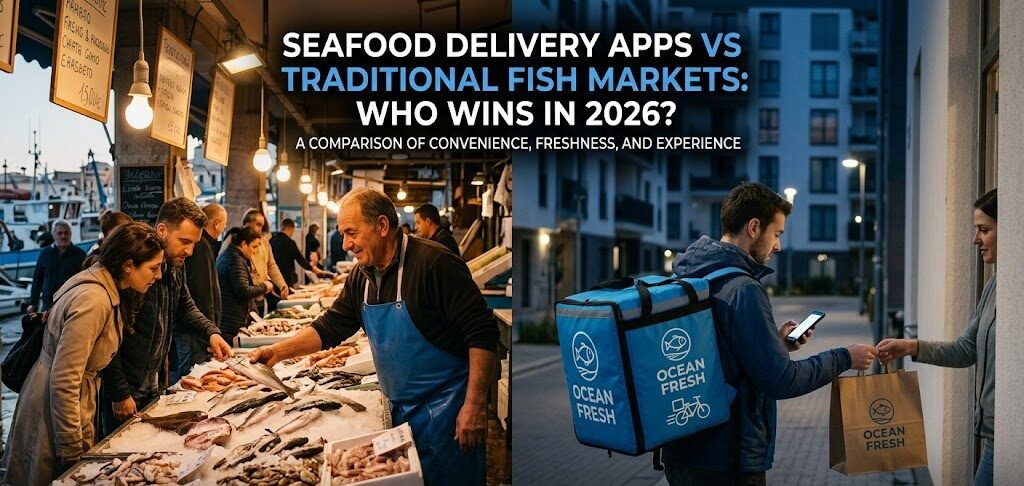
Introduction
The seafood industry has undergone significant transformation in recent years, with consumers now having more options than ever before. As we approach 2026, the choice between utilizing seafood delivery applications and visiting traditional fish markets has become increasingly nuanced. Both avenues offer distinct advantages and disadvantages that warrant careful examination. Understanding the differences between these two purchasing methods is essential for consumers seeking quality products, competitive pricing, and convenient shopping experiences.
The Rise of Seafood Delivery Applications
Seafood delivery applications have revolutionized how consumers purchase fresh fish and shellfish. These digital platforms leverage technology to provide unprecedented convenience, allowing customers to browse extensive inventories from their homes and receive deliveries within hours. The proliferation of these services reflects changing consumer preferences toward on-demand shopping and contactless transactions.
Convenience and Accessibility
One of the most compelling advantages of seafood delivery applications is their unparalleled convenience. Users can place orders at any time, day or night, without traveling to physical locations. This accessibility proves particularly valuable for individuals with busy schedules, mobility limitations, or those living in areas with limited traditional seafood retail options. Real-time tracking features allow customers to monitor their deliveries, providing transparency and peace of mind.
Product Selection and Variety
Leading seafood delivery platforms offer expansive selections that often exceed what local fish markets provide. These applications curate sourcing from multiple suppliers and regions, presenting customers with domestic and international seafood varieties. Specialty items, sustainable options, and premium selections are frequently available, catering to diverse culinary preferences and dietary requirements.
Pricing and Promotional Opportunities
Seafood delivery applications frequently implement dynamic pricing strategies and promotional campaigns. First-time user discounts, loyalty programs, and seasonal promotions can result in significant savings. Additionally, price transparency allows consumers to compare options instantaneously and make informed purchasing decisions based on current rates.
Challenges Associated with Delivery Services
Despite their advantages, seafood delivery applications present notable limitations. Quality inconsistency occasionally occurs during shipping, as live seafood and delicate fish may experience temperature fluctuations or handling issues. Delivery fees and service charges substantially increase final costs, sometimes negating promotional savings. Furthermore, environmental concerns regarding packaging materials and carbon emissions from delivery vehicles warrant consideration among environmentally conscious consumers.
Traditional Fish Markets: Enduring Strengths
Fish markets have served communities for centuries, establishing themselves as trusted sources for fresh seafood. These establishments maintain distinct advantages that continue to resonate with consumers seeking authentic, direct relationships with suppliers and immediate product access.
Uncompromised Freshness and Quality
Traditional fish markets offer unparalleled freshness advantages. Consumers can inspect products firsthand, examining appearance, smell, and texture before purchasing. This direct inspection capability eliminates uncertainty inherent in online ordering. Many established fish markets source directly from fishing vessels or maintain relationships with reliable suppliers, ensuring quality control at every stage. The ability to request specific cuts, sizes, and preparations from knowledgeable vendors enhances the shopping experience and product satisfaction.
Expert Guidance and Community Connection
Fish market vendors typically possess extensive knowledge about seafood varieties, preparation methods, and optimal cooking techniques. This expertise proves invaluable for customers seeking recommendations or unfamiliar with certain species. Beyond transactional interactions, traditional markets foster community connections, creating social spaces where customers develop ongoing relationships with vendors and fellow shoppers. This human element remains irreplaceable in digital environments.
Cost-Effectiveness
Eliminating delivery infrastructure and associated overhead allows traditional fish markets to maintain competitive pricing. Customers avoid service fees, delivery charges, and packaging expenses. Bulk purchasing options and direct negotiation with vendors can yield substantial savings, particularly for regular customers or those planning major meals or catering events.
Environmental Considerations
Fish markets generate minimal packaging waste compared to delivery services. Customers often bring reusable containers, and vendors utilize minimal wrapping materials. Additionally, shopping locally reduces carbon footprints associated with transportation, appealing to environmentally conscious consumers committed to sustainable purchasing practices.
Limitations of Traditional Markets
Geographic accessibility challenges affect consumers in areas without established fish markets. Operating hours may inconvenience individuals with non-traditional schedules. Seasonal availability fluctuations can limit product selection, and inventory may not include specialty or imported items. Physical shopping requires time investment and travel costs that modern consumers increasingly view as burdensome.
Comparative Analysis: Key Factors
Quality and Freshness
While delivery applications continue improving cold chain logistics, traditional fish markets maintain advantages regarding product freshness. Direct inspection capabilities and same-day sourcing practices position fish markets as superior options for quality-conscious consumers prioritizing premium products.
Price and Value
Traditional fish markets generally offer superior pricing when accounting for delivery fees and service charges. However, delivery applications’ promotional strategies and loyalty programs can provide competitive rates for regular users, particularly during sales periods.
Convenience and Time Investment
Seafood delivery applications definitively lead in convenience metrics. For busy professionals and individuals prioritizing time efficiency, delivery services eliminate shopping trips and provide flexible ordering capabilities. Fish markets require physical presence and advance planning.
Product Variety
Delivery applications typically offer broader selections, including imported and specialty items. Fish markets may feature limited varieties unless established in urban areas with diverse populations. For exotic or specific requirements, delivery services generally provide superior options.
Environmental Impact
Traditional fish markets maintain environmental advantages through minimal packaging and reduced transportation emissions. Environmentally conscious consumers may prefer this option despite other considerations.
Industry Outlook for 2026
As we approach 2026, both channels are expected to continue evolving. Seafood delivery applications will likely implement enhanced cold chain technologies, sustainable packaging solutions, and expanded geographic coverage. Traditional fish markets are adopting digital integration, including online ordering with in-store pickup options and social media engagement.
The convergence of these approaches suggests a future where both channels coexist, each serving specific consumer segments and preferences.