Understanding the Seafood Market Dynamics
The global seafood market stands at a critical juncture as we approach 2027. Rising demand coupled with supply chain challenges, environmental pressures, and climate change impacts are reshaping pricing structures across all species. Understanding these dynamics is essential for consumers, retailers, and industry stakeholders seeking to navigate the evolving marketplace.
Market analysts project significant price fluctuations across various seafood categories over the next three years. These changes will be driven by multiple interconnected factors, including overfishing concerns, aquaculture expansion, fuel costs, and shifting consumer preferences toward sustainable options.
Species Facing the Steepest Price Increases
Wild-Caught Salmon and Trout
Salmon prices are expected to experience substantial growth through 2027, driven by declining wild populations and increasing farming costs. Climate change has disrupted salmon migration patterns, reducing catch yields in traditional fishing regions such as the Pacific Northwest and Scandinavia. Simultaneously, aquaculture operations face rising feed costs and stricter environmental regulations, both contributing to higher market prices.
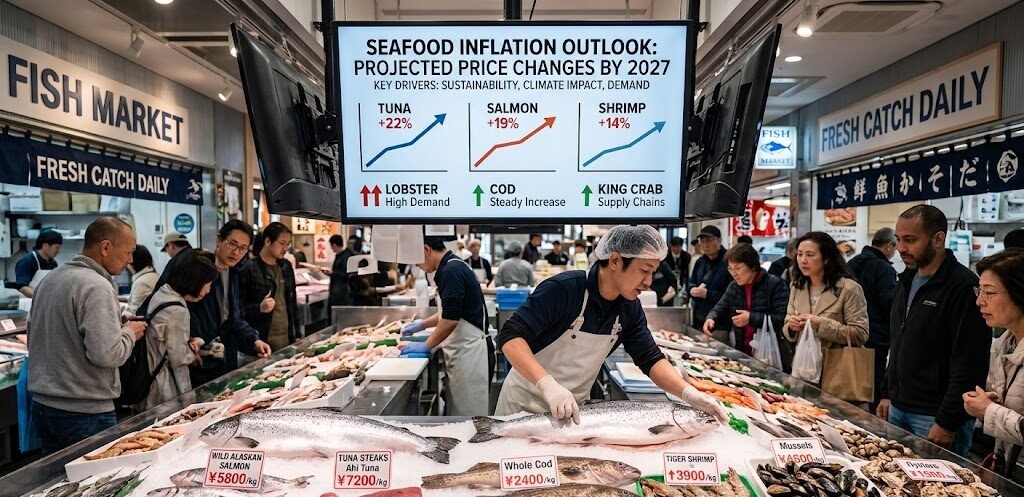
Consumers should anticipate retail prices for premium wild salmon to increase by 15-25% by 2027, while farmed varieties may see more modest increases of 8-12%.
Premium White Fish Species
Cod, halibut, and other premium white fish species are projected to command higher prices as stocks continue to face pressure. Halibut, in particular, shows concerning population trends in several key fishing regions, limiting supply while demand remains robust among upscale dining establishments and health-conscious consumers.
- Atlantic cod prices likely to rise 10-18% by 2027
- Pacific halibut projected to increase 12-20%
- Flounder and sole experiencing 8-15% price growth
Shellfish and Crustaceans
Lobster, crab, and shrimp represent some of the most volatile segments of the seafood market. Maine lobster prices have already demonstrated significant volatility, with projections suggesting continued upward pressure through 2027. Ocean acidification and warming waters threaten traditional breeding grounds, while simultaneously increasing harvesting costs for fishermen operating in changing environmental conditions.
King crab and Alaskan snow crab face particularly acute challenges, with some analysts forecasting price increases exceeding 25% by 2027. Farmed shrimp may experience more moderate increases of 6-12%, though disease outbreaks in aquaculture facilities could drive prices higher unexpectedly.
Species With Moderate Price Pressures
Tuna and Pelagic Fish
Yellowfin and bluefin tuna occupy an interesting market position. While international fishing regulations have improved stock management, demand from sushi and sashimi markets continues to drive premium pricing. Expect moderate increases of 5-10% through 2027, with premium bluefin potentially experiencing higher growth due to limited availability and luxury market demand.
Farmed Fish Options
Farmed tilapia, catfish, and pangasius offer more price stability compared to wild-caught alternatives. These species benefit from efficient aquaculture practices and relatively lower production costs. However, increasing environmental standards and feed ingredient costs may push prices up by 5-8% during the forecast period.
Market Factors Driving Price Changes
Climate Change and Ocean Health
Ocean warming, acidification, and changing currents are fundamentally altering fish migration patterns and breeding cycles. These environmental shifts reduce available wild stocks while simultaneously increasing operational costs for fishing fleets adapting to new conditions. Regions that have historically relied on stable fish populations face the most significant economic disruption.
Supply Chain and Fuel Costs
Fuel expenses represent a substantial portion of fishing operation costs. Volatility in global energy markets directly impacts seafood pricing. As energy costs remain elevated due to geopolitical factors and the transition to renewable resources, fishing industry margins compress, necessitating higher consumer prices to maintain profitability.
Aquaculture Expansion and Challenges
While aquaculture helps offset wild-stock declines, farming operations face their own challenges. Feed ingredients, particularly fishmeal and fish oil derived from wild-caught species, continue rising in cost. Additionally, disease management in crowded farming conditions requires increasing investment in health protocols and medications.
Regulatory and Sustainability Pressures
Stricter environmental regulations across major fishing nations aim to preserve marine ecosystems but simultaneously reduce allowable catch volumes. Certification requirements for sustainable fishing and farming practices increase operational costs, which are eventually passed to consumers through higher prices.
Regional Variations in Price Forecasts
Price increases will not be uniform across global markets. Regions with robust domestic aquaculture industries, such as Southeast Asia and Northern Europe, may experience more moderate price growth. Conversely, areas dependent primarily on wild-caught imports will likely face steeper increases as international prices rise and transportation costs escalate.
Consumers in developing nations may face disproportionate impacts, as seafood represents a more significant portion of dietary protein and household budgets. Wealthy markets with greater purchasing power will likely continue accessing premium species despite price increases.
Strategic Recommendations for Stakeholders
For Consumers
Consider expanding your seafood palate to include less popular but sustainable species that may not experience dramatic price increases. Investing in preservation methods and purchasing during seasonal abundance can provide cost savings. Additionally, exploring plant-based seafood alternatives may offer budget-friendly options as traditional seafood prices escalate.
For Retailers and Food Service Operators
Advance planning and strategic sourcing become increasingly important. Establishing long-term relationships with suppliers, diversifying species offerings, and educating customers about sustainable alternatives can help mitigate price shock impacts. Menu engineering to highlight lesser-known but sustainable species presents both economic and environmental benefits.