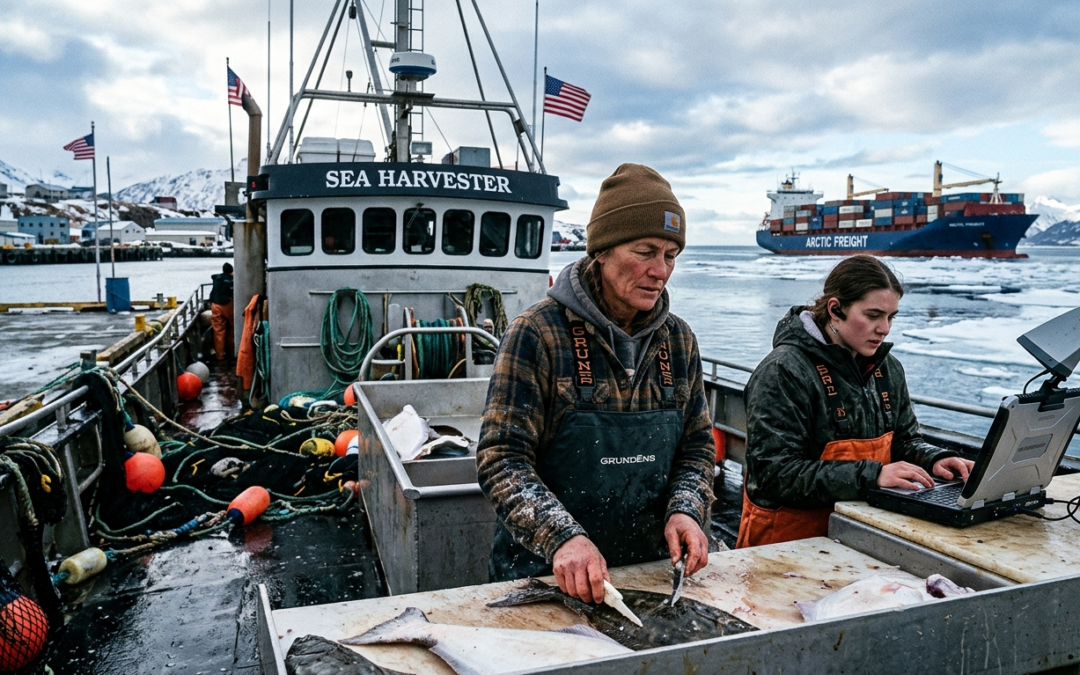
The commercial fishing industry has long been dominated by men, with women representing a small fraction of the workforce. However, this dynamic is gradually changing as more women enter the field, bringing with them diverse perspectives, skills, and determination. Despite significant progress, women in commercial fishing continue to face unique challenges and barriers that their male counterparts rarely encounter. Understanding these obstacles and celebrating the achievements of pioneering women is essential to fostering a more inclusive and equitable industry.
Historical Context and Industry Overview
Commercial fishing has been a male-dominated profession for centuries, rooted in historical traditions and cultural beliefs about women’s roles in maritime work. The industry has historically been characterized by physically demanding labor, extended time at sea, and tight-knit crews that developed their own traditions and hierarchies. Women who wished to participate in commercial fishing had to contend not only with the inherent physical demands of the work but also with deep-seated cultural resistance and systemic barriers to entry.
Today, women represent approximately 7-10% of the commercial fishing workforce globally, though this percentage varies significantly by region and fishing method. In some areas, such as certain Southeast Asian fisheries, women constitute a larger proportion of the workforce, while in others, particularly in North American and Northern European fleets, female representation remains considerably lower.
Key Barriers Facing Women in Commercial Fishing
Discrimination and Social Resistance
One of the most significant barriers women face in commercial fishing is discrimination, both explicit and implicit. Many women report experiencing resistance from male colleagues who view fishing as exclusively male territory. This cultural resistance can manifest in various ways, from subtle skepticism about women’s capabilities to overt hostility and exclusion from crew positions.
Superstitions and traditional beliefs add another layer of complexity. In some fishing communities, women on board are considered bad luck, a belief that persists despite having no rational basis. These deeply ingrained cultural attitudes require concerted effort to change and represent one of the most challenging barriers to overcome.
Physical and Safety Concerns
The commercial fishing industry is one of the most dangerous occupations globally. Women may face additional safety challenges, including inadequate facilities designed specifically for their needs aboard vessels, potential vulnerability to harassment, and equipment that may not be properly fitted for individuals of different body types. Proper safety protocols and equipment designed with inclusivity in mind are essential to protecting all workers.
Lack of Representation in Leadership
Women remain significantly underrepresented in leadership positions within the commercial fishing industry. Few female captains, fleet owners, or fishing company executives exist, limiting mentorship opportunities and role models for aspiring female fishing professionals. This absence of women in decision-making roles perpetuates policies and practices that may inadvertently disadvantage female workers.
Work-Life Balance and Family Considerations
Extended periods at sea present significant challenges for women balancing professional and family responsibilities. While this challenge affects some men as well, societal expectations often place greater pressure on women to prioritize family care, making it more difficult for them to commit to the demanding schedules required in commercial fishing.
Success Stories and Breaking Barriers
Pioneering Female Captains and Boat Owners
Despite systemic challenges, numerous women have successfully established themselves as respected captains and vessel owners. These pioneers have demonstrated exceptional skills, leadership abilities, and business acumen. Their success serves as inspiration and proof that women can excel in all aspects of the commercial fishing industry, from crew members to independent operators managing their own operations.
Organizations Supporting Women in Fishing
Several organizations have emerged specifically to support women in commercial fishing. These groups provide networking opportunities, mentorship programs, training initiatives, and advocacy for policy changes. By creating supportive communities and sharing knowledge, these organizations help women navigate the industry’s challenges and build successful careers.
Educational Initiatives and Training Programs
Dedicated training programs and educational initiatives designed specifically for women have increased accessibility to the industry. Maritime academies and fishing organizations now offer courses that welcome female participants, with instructors trained to provide inclusive learning environments. These programs cover everything from basic seamanship to advanced navigation and vessel operation.
Economic and Social Benefits of Greater Female Participation
Economic Advantages
Increasing female participation in commercial fishing expands the available workforce and can help address labor shortages in the industry. Women bring additional skills, perspectives, and work ethics that contribute to more efficient operations. Furthermore, female-owned fishing businesses have demonstrated strong economic performance, generating revenue and employment opportunities within fishing communities.
Sustainability and Conservation Perspectives
Research suggests that increased female participation in fishing communities may positively influence sustainability practices and conservation efforts. Women often bring different approaches to resource management and may prioritize long-term environmental health, contributing to more sustainable fishing practices that benefit the industry for generations to come.
Social and Community Benefits
Greater inclusion of women in commercial fishing strengthens fishing communities by broadening participation and creating more diverse perspectives on community challenges and opportunities. When women have equitable opportunities to participate fully in the industry, entire communities benefit from improved economic stability and social cohesion.
Regulatory and Policy Considerations
Many countries have begun implementing policies to support women in commercial fishing. These include anti-discrimination regulations, provisions for proper facility design on vessels, training and certification programs, and subsidies for female-owned fishing enterprises. International organizations such as the Food and Agriculture Organization of the United Nations (FAO) have recognized the importance of gender equality in fisheries and have advocated for supportive policies.
However, enforcement of these policies remains inconsistent in many regions. Strengthening regulatory frameworks and ensuring their implementation is crucial to creating lasting change and protecting women’s rights in commercial fishing.
Challenges in Implementation and Change
While progress has been made, implementing meaningful change in the commercial fishing industry faces substantial obstacles. Traditional attitudes persist, particularly in communities where fishing has been a male-dominated family trade for generations. Economic pressures in the industry sometimes lead stakeholders to resist changes that require investment in infrastructure or training programs.